
What's Happening?
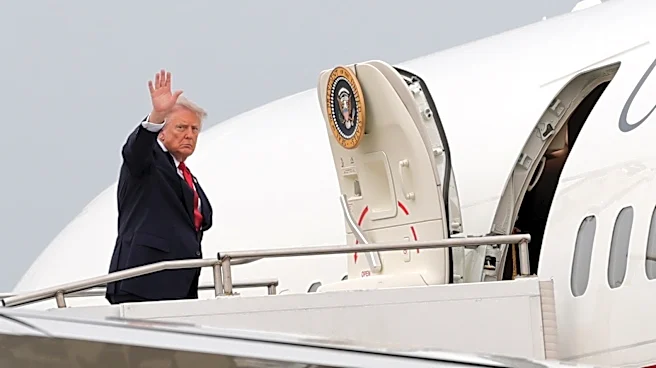
Under President Trump's plan, Tennessee, Utah, Louisiana, Idaho, and Oklahoma have agreed to host nuclear waste in exchange for federal support to develop the nuclear energy sector. This marks a significant
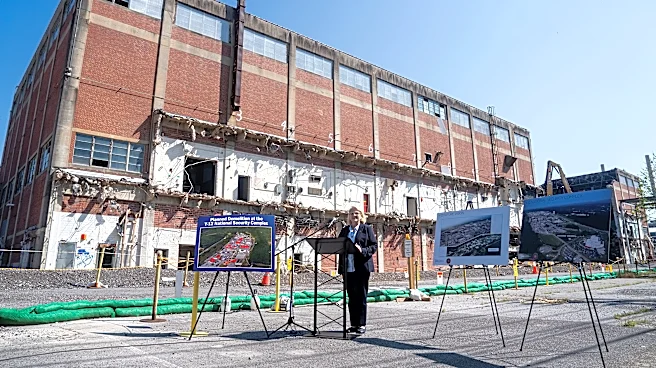
step in addressing the challenge of storing nearly 100,000 metric tons of spent nuclear fuel. The states will host Nuclear Lifecycle Innovation Campuses, which will include waste sites and facilities for uranium enrichment and advanced reactor deployment. The initiative is expected to attract substantial private investment and generate significant tax revenues.
Why It's Important?
The agreement represents a major shift in the U.S. approach to nuclear waste management, potentially resolving a decades-long issue that has hindered the expansion of nuclear energy. By facilitating the development of nuclear energy infrastructure, the plan could help the U.S. meet increasing energy demands and reduce reliance on fossil fuels. The economic benefits for the participating states include job creation and increased investment, which could stimulate local economies. This initiative also aligns with broader efforts to revitalize the U.S. nuclear industry and enhance energy security.
What's Next?
The implementation of this plan will require congressional approval and the establishment of regulatory frameworks to ensure safety and environmental protection. The Energy Department will collaborate with the states to develop the campuses, with a focus on gaining community consent and addressing potential security concerns. The success of this initiative could lead to further expansion of nuclear energy projects across the country, influencing national energy policy and public attitudes towards nuclear power.