



What's Happening?
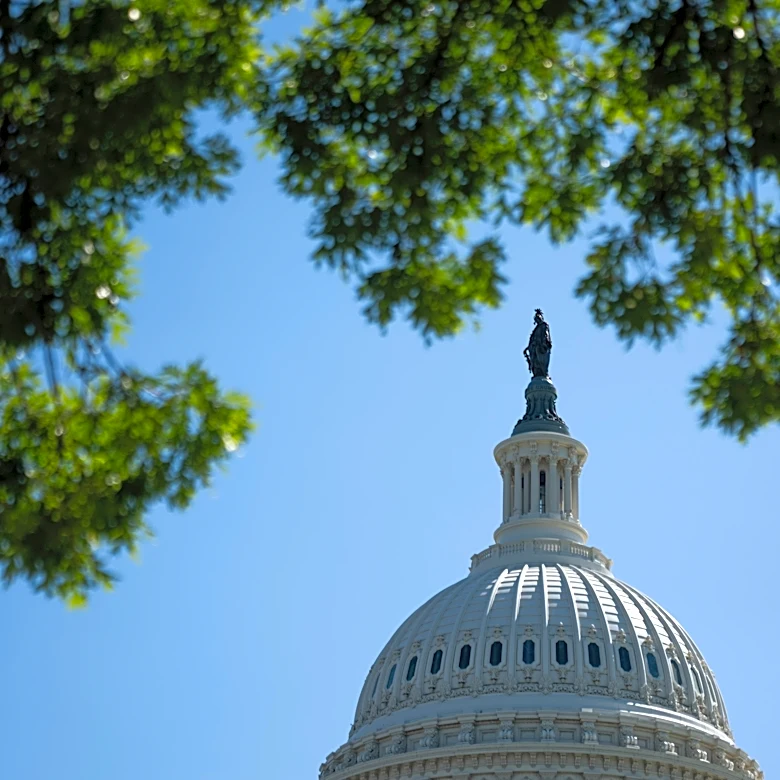
Republican lawmakers have expressed strong opposition to a proposed $1.8 billion payout fund intended for individuals who claim they were unfairly investigated by the government. This opposition comes as the Senate advances a budget package focused on immigration
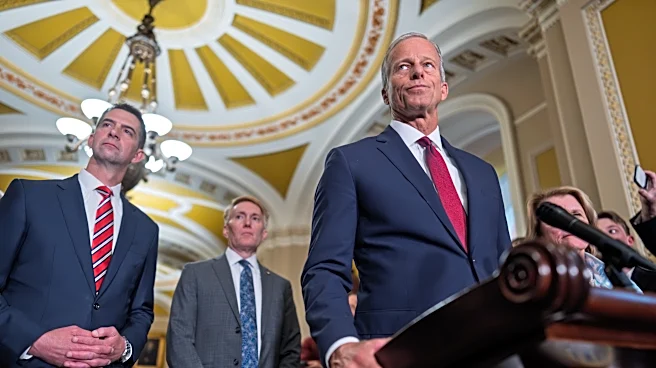
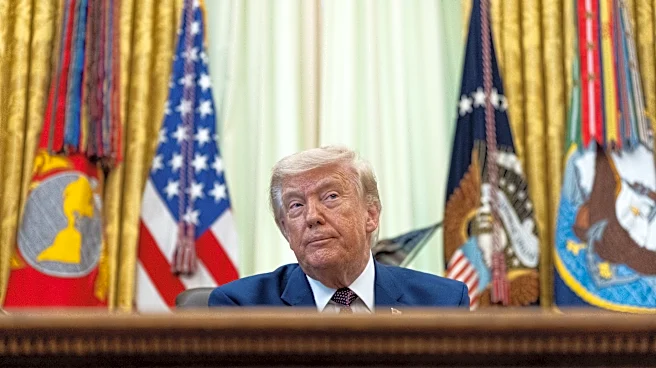
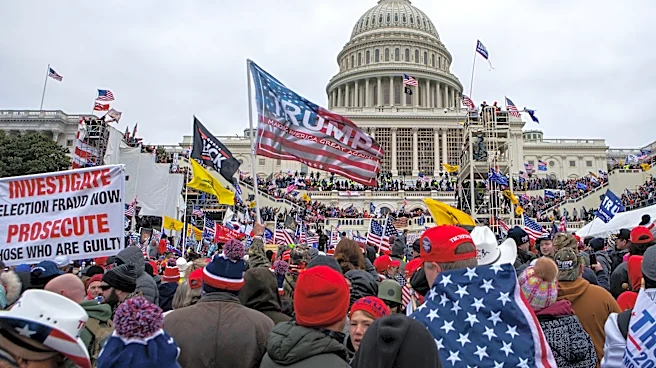
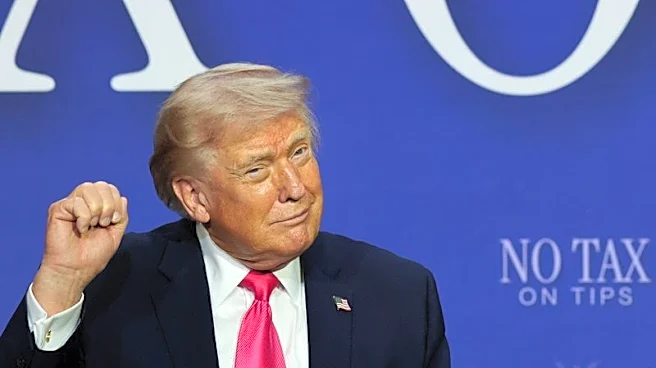
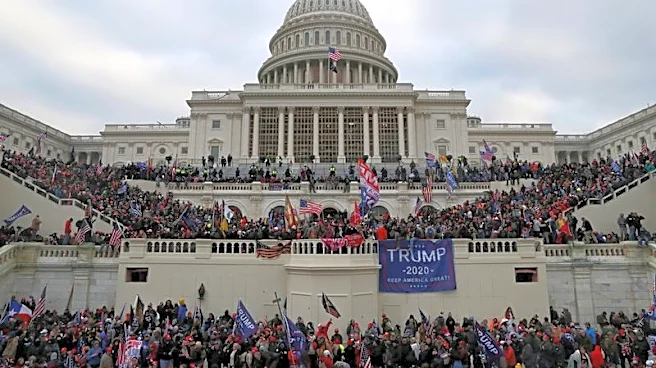
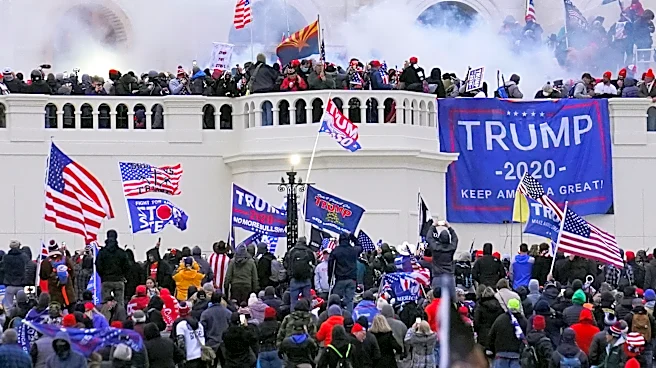
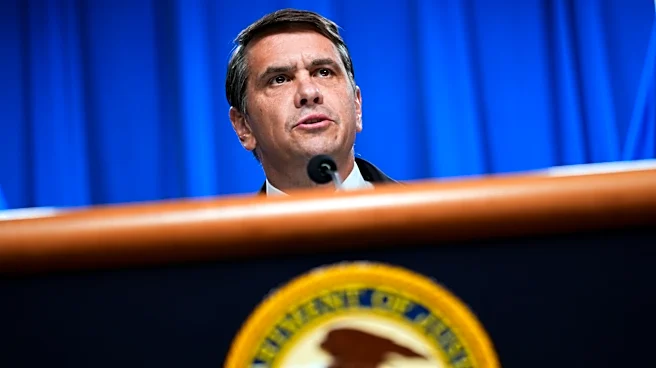
enforcement funding. The proposal, known as the 'Anti-Weaponization Fund,' was initially supported by the Trump administration but faced backlash over concerns that it might compensate individuals involved in the January 6 Capitol attack. Senate Majority Leader John Thune indicated that most Republicans were reassured by Acting Attorney General Todd Blanche's statement that the Justice Department would abandon the fund. However, some Republicans, like Senator Thom Tillis, are pushing for amendments to ensure the fund cannot be revived. The fund was part of a settlement related to President Trump's lawsuit against the IRS over leaked tax records.
Why It's Important?
The controversy surrounding the payout fund highlights ongoing tensions within the Republican Party regarding accountability and the use of taxpayer money. The fund's potential to compensate individuals linked to the January 6 events poses a significant political risk, as it could be perceived as undermining justice and accountability. The debate also impacts the broader legislative agenda, particularly efforts to secure funding for immigration enforcement. The outcome of this debate could influence public perception of the Republican Party's priorities and its approach to governance, especially in the context of upcoming elections.
What's Next?
As the Senate continues to debate the budget package, amendments to block the payout fund are likely to be proposed. Republican leaders face the challenge of balancing party unity with public accountability. The outcome of these legislative efforts will be closely watched by both political leaders and the public, as it could set a precedent for how similar issues are handled in the future. Additionally, the Democratic Party is expected to push for measures that codify the fund's prohibition, further intensifying the political stakes.