




What's Happening?
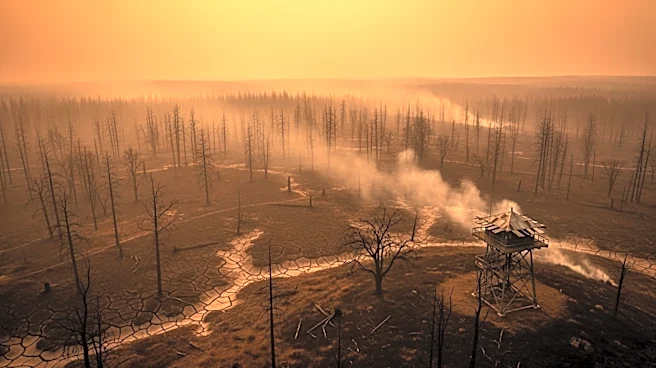
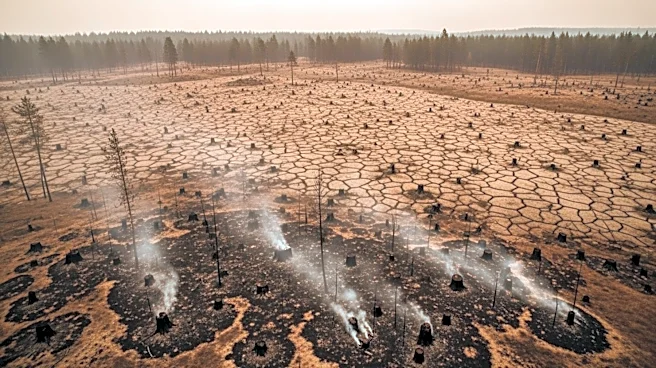
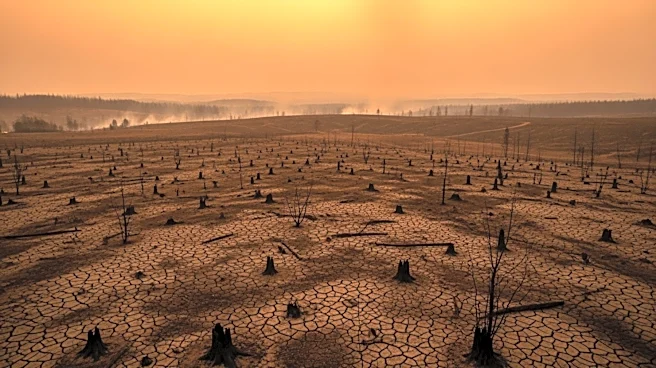
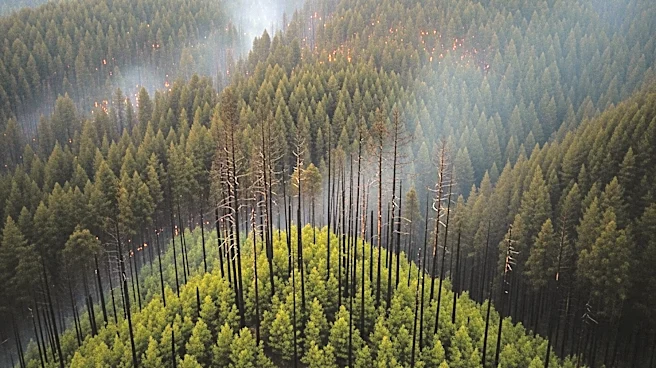
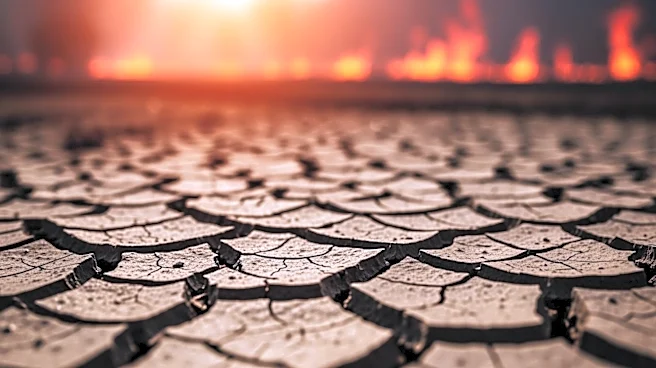
Florida is currently experiencing significant wildfires as a result of a severe drought that has gripped much of the southeastern United States. The drought, which follows an unusually dry winter and spring, has been classified as a level 4 'exceptional'
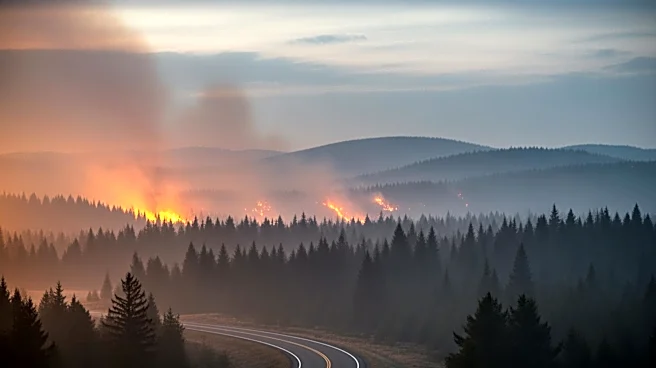
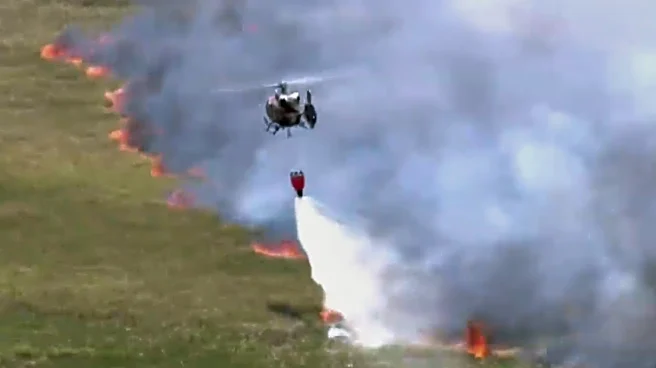
drought, the most severe category. This has led to increased fire risks, exacerbated by strong winds and low humidity. A major fire broke out in Broward County, north-west of Fort Lauderdale, burning over 9,200 acres. The National Guard has been deployed to assist local fire and rescue services in containing the blaze, which is currently 50% contained. Residents in the area have been warned about reduced air quality due to smoke. Similar conditions have led to multiple active fires across northern Florida, Georgia, and Alabama.
Why It's Important?
The ongoing drought and resulting wildfires in Florida highlight the increasing vulnerability of the region to climate-related events. The fires pose immediate threats to local communities, infrastructure, and wildlife, while also impacting air quality and public health. The economic implications are significant, with potential damage to property and increased costs for firefighting efforts. The situation underscores the need for effective drought management and fire prevention strategies, as well as broader discussions on climate resilience and adaptation in the face of changing weather patterns.
What's Next?
The drought and fire risk are expected to persist until the rainy season begins, typically around June. In the meantime, authorities are likely to continue monitoring weather conditions closely and may implement further fire prevention measures. Residents in affected areas should remain vigilant and adhere to safety advisories. The situation may prompt discussions among policymakers and environmental groups about long-term strategies to mitigate the impacts of drought and wildfires, including potential legislative or regulatory actions.