
What's Happening?
The USA National Phenology Network has reported that spring is arriving earlier across much of the United States, with significant implications for agriculture and ecology. This year, spring arrived three
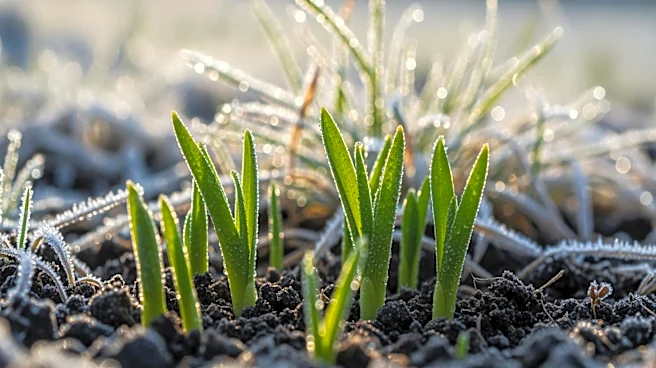
to five weeks earlier than the average from 1991 to 2020 in the central U.S., and two to three weeks earlier in southern Midwest states. This shift is attributed to climate changes, as analyzed by Climate Central, which found that leaves now emerge six days earlier than they did in 1981 in 88% of major U.S. cities. The early arrival of spring can lead to ecological mismatches, such as migratory birds arriving too soon and missing peak food abundance, and crops facing risks from potential hard freezes after early leaf-out.
Why It's Important?
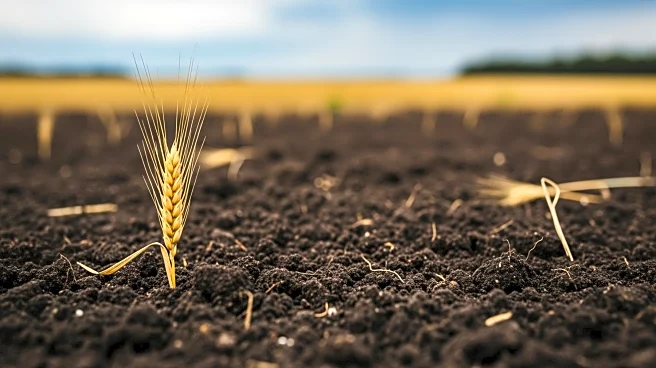
The earlier arrival of spring poses significant challenges for the agriculture industry, potentially leading to economic losses due to false springs that can damage crops. In 2017, a hard freeze in the southeastern U.S. resulted in over $1 billion in losses for fruit crops. Additionally, the shift affects ecological systems, with migratory birds and pollinators potentially falling out of sync with their food sources. This can lead to broader ecological impacts and disrupt the balance of ecosystems. Farmers are adapting with technology, but the underlying issue of climate change remains a critical concern that requires urgent action to reduce carbon emissions.
What's Next?
Farmers and communities are innovating to adapt to these changes, using technology to mitigate some impacts. However, addressing climate change is essential to prevent further disruptions. Efforts to reduce carbon pollution are crucial to stabilize seasonal patterns and protect both agriculture and ecological systems. Continued monitoring and research by organizations like the USA National Phenology Network and Climate Central will be vital in understanding and responding to these shifts.
Beyond the Headlines
The early arrival of spring highlights the broader impacts of climate change on natural and human systems. It underscores the need for comprehensive climate policies and practices that address the root causes of these shifts. The phenomenon also raises ethical considerations about our responsibility to protect ecosystems and support sustainable agricultural practices. Long-term strategies will be necessary to ensure resilience in the face of changing climate patterns.