


What's Happening?
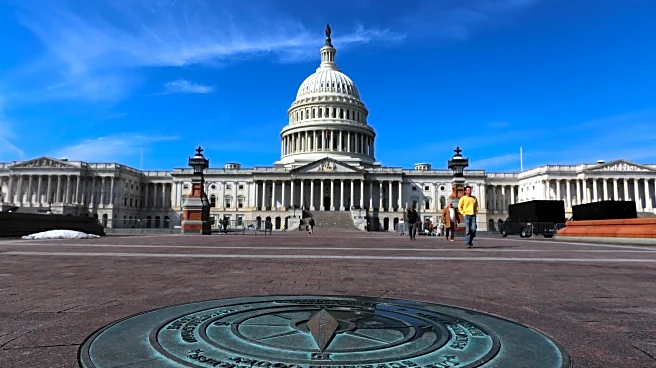
A Democratic lawmaker has reintroduced legislation aimed at restricting the transfer of military-grade equipment from the Pentagon to law enforcement agencies across the United States. The bill, known as the Stop Militarizing Law Enforcement Act of 2026,
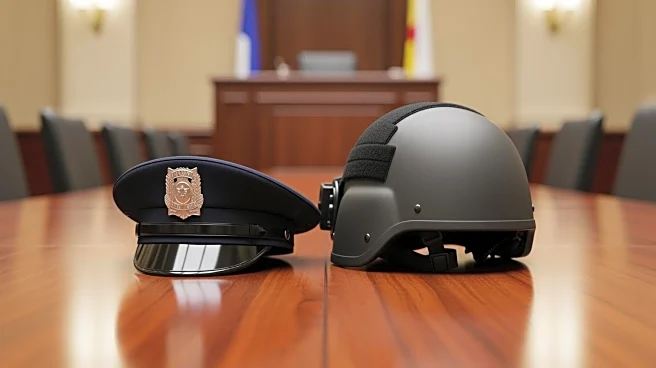
was introduced by Representative Henry C. 'Hank' Johnson Jr. of Georgia. It seeks to amend Title 10 of the United States Code to impose new limits on the Department of Defense's transfer of surplus military property to law enforcement agencies. The legislation targets the 1033 program, which allows the Defense Logistics Agency to provide military equipment to police departments at no cost beyond shipping. The bill is supported by a coalition of civil liberties, human rights, and progressive advocacy organizations, including the American Civil Liberties Union and Amnesty International USA. It aims to prohibit the transfer of military-grade weapons, armored vehicles, and other equipment deemed inappropriate for civilian policing.
Why It's Important?
The issue of police militarization has been a contentious topic in the United States, particularly following high-profile incidents involving heavily armed officers. The transfer of military equipment to police forces has raised concerns about the impact on public safety and civil liberties. Critics argue that the presence of military-grade equipment in civilian settings can escalate conflicts and intimidate communities. The proposed legislation seeks to address these concerns by imposing stricter controls on the transfer of such equipment. If passed, the bill could lead to significant changes in how law enforcement agencies are equipped, potentially reducing the militarization of police forces and promoting greater accountability and transparency.
What's Next?
The bill has been referred to the House Armed Services Committee, which will review it to determine whether it advances to the full House for debate and a vote. If approved by the House, the legislation would need to pass the Senate and be signed by the president to become law. The outcome of this legislative process will be closely watched by civil liberties groups, law enforcement agencies, and policymakers, as it could have far-reaching implications for policing practices in the United States.