



What's Happening?
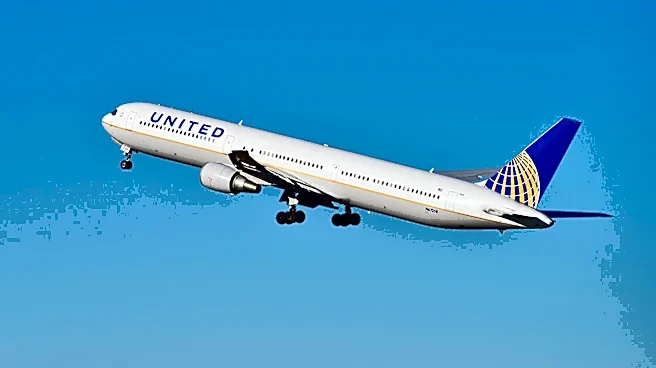
United Airlines Flight 884, scheduled to depart from Washington Dulles International Airport to Rome, was subjected to a nearly 12-hour delay before ultimately being canceled. Passengers, including Rebecca Bliden and her mother, boarded the flight at 4:30
p.m. on a Friday. The initial delay was caused by a technical issue in the cockpit, followed by adverse weather conditions that prevented takeoff. The pilot returned the plane to the gate for refueling, during which time passengers were offered the option to deplane. Further complications arose when the onboard food was deemed unsuitable, requiring a catering truck to replace it. After six hours, the crew timed out, necessitating a new crew. Upon re-boarding, another refueling was required, and then a mechanical inspection due to a door not sealing properly. Finally, a loud bang during pushback, attributed to a broken band from the tug vehicle, led to another inspection. The flight was eventually canceled at 4 a.m. the following day, with passengers rebooked for a flight on Saturday evening. United Airlines provided a $175 goodwill voucher to affected passengers.
Why It's Important?
This incident highlights significant challenges faced by air travelers in the U.S., particularly concerning flight delays and cancellations. The prolonged on-plane waiting period, coupled with multiple technical and operational issues, underscores the potential for severe disruption to travel plans and passenger experience. While United Airlines offered a goodwill voucher and allowed passengers to deplane, the situation raises questions about passenger rights and compensation in the U.S., which, according to Katy Nastro of Flighty, lacks the same level of compensation protection as other regions. The incident also brings to light the complexities of determining whether delays are within an airline's control, a critical factor in passenger reimbursement eligibility. Such events can erode consumer confidence in air travel and potentially lead to increased scrutiny from regulatory bodies regarding airline operational efficiency and passenger welfare policies. The financial impact on travelers, beyond the direct cost of the ticket, can include missed events, additional accommodation expenses, and lost time.
What's Next?
Affected passengers, such as Rebecca Bliden, are seeking a full refund from United Airlines. The airline has rebooked customers on an extra flight for the following evening. Travel experts like Katy Nastro advise passengers to consult flightrights.gov to understand their entitlements, especially when delays are categorized as being within the airline's control. This incident may prompt further discussions regarding U.S. passenger protection regulations and the need for clearer guidelines on compensation for significant delays and cancellations. Airlines might face increased pressure to improve communication during prolonged delays and to streamline their processes for addressing technical and crew-related issues. The FAA's ongoing efforts to use artificial intelligence to reduce flight delays in the DC area, as mentioned in the source, suggest a broader trend towards technological solutions to mitigate such disruptions, though the effectiveness of these measures in complex scenarios like Flight 884 remains to be seen.
Beyond the Headlines
The protracted delay of United Flight 884 reveals deeper systemic issues within the air travel industry, particularly the delicate balance between operational efficiency, safety regulations, and passenger experience. The 'crew time limits' and multiple mechanical issues underscore the stringent safety protocols that, while essential, can lead to cascading delays when unexpected problems arise. The incident also touches upon the psychological toll of such prolonged disruptions on passengers, especially those traveling with children or elderly individuals. The offer of a 'goodwill voucher' versus a full refund or comprehensive compensation highlights a philosophical divide in how airlines and passengers perceive the value of lost time and inconvenience. This event could fuel public demand for more robust passenger rights legislation in the U.S., potentially aligning it more closely with European models that offer more substantial compensation for delays. Furthermore, the reliance on human decision-making in managing complex, multi-factor delays suggests that while technology can aid, the human element remains critical in both causing and resolving such travel nightmares.