


What's Happening?
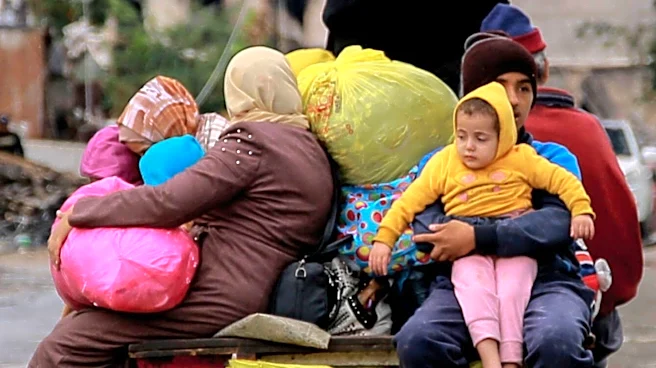
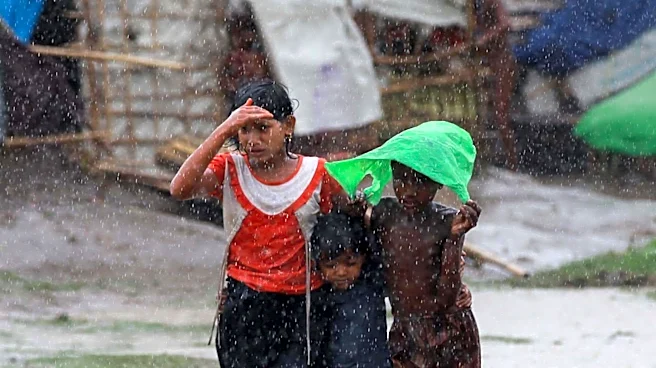
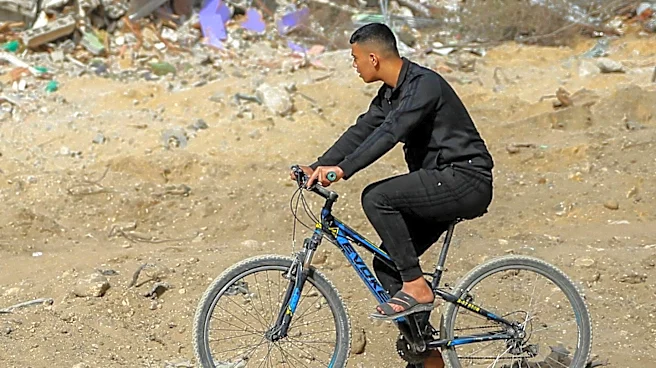
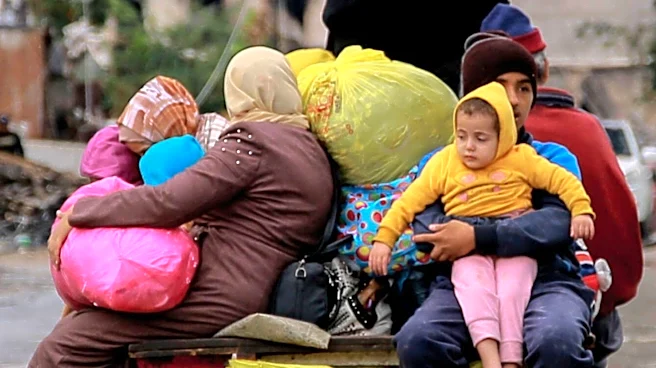
Families in Gaza are struggling to cope with severe winter conditions, including cold temperatures and heavy rains, while living in makeshift shelters. Many have been displaced multiple times due to the ongoing conflict, which has devastated homes and livelihoods.
According to Al Jazeera, nearly two million people have been displaced, with hundreds of thousands residing in tents or damaged shelters. The lack of affordable winter clothing and blankets is a major concern, as families prioritize food over warm attire. The United Nations Office for the Coordination of Humanitarian Affairs (OCHA) reports that 94% of Gaza's population urgently needs shelter assistance, and 65% of households live in temporary shelters. Aid agencies have secured only a fraction of the necessary winter supplies, with funding shortages hindering further preparations. The situation has led to tragic outcomes, such as the death of a nine-month-old baby from hypothermia.
Why It's Important?
The dire humanitarian situation in Gaza highlights the devastating impact of prolonged conflict on civilian populations, particularly vulnerable groups like children. The inability of families to secure basic necessities like warm clothing and adequate shelter during winter poses significant health risks, including hypothermia and respiratory infections, as warned by UNICEF. The economic consequences of the conflict, including high unemployment and rising prices, have made essential goods unaffordable for many, exacerbating the crisis. The severe shortages of aid and the challenges in delivering it underscore the urgent need for increased international support and unimpeded access for humanitarian organizations. This situation also raises questions about the long-term recovery and stability of the region, as the infrastructure for independent reporting is also being dismantled, as noted by DAWN, further limiting transparency and accountability.
What's Next?
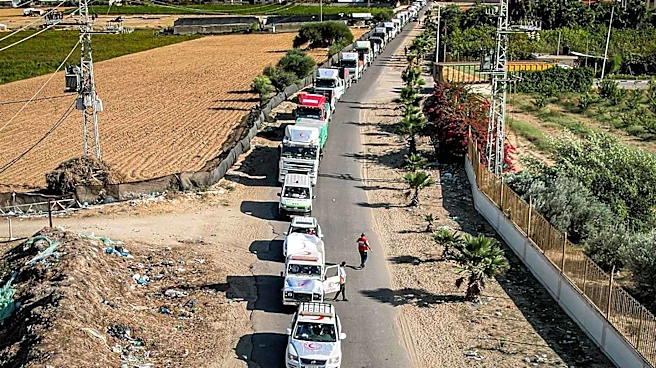
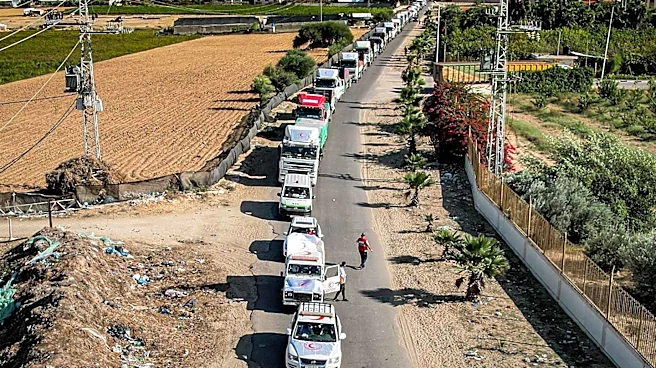
The immediate future for Gaza's displaced families involves continued struggle against harsh winter conditions and a critical shortage of resources. Aid agencies, including UNICEF, are seeking substantial funding to address the winter response, aiming to support hundreds of thousands of children and their families. However, funding shortfalls and ongoing restrictions on goods entering Gaza, as reported by Al Jazeera, suggest that the humanitarian crisis will likely persist and potentially worsen. The focus will remain on securing more aid, improving shelter conditions, and providing essential medical and winter supplies to prevent further loss of life. The broader political context and the ongoing conflict will continue to dictate the feasibility and effectiveness of these humanitarian efforts.
Beyond the Headlines
The struggle of Gaza's families extends beyond immediate survival, touching upon deeper issues of human dignity, resilience, and the long-term psychological impact of displacement and loss. The repeated displacement and the destruction of homes and livelihoods create a cycle of poverty and instability that can have generational consequences. The reliance on community kitchens and second-hand markets reflects a breakdown of normal societal structures and economic self-sufficiency. The ethical implications of restricting aid and the challenges faced by humanitarian organizations in delivering assistance in conflict zones are also brought to the forefront. This situation underscores the complex interplay of conflict, humanitarian aid, and the fundamental rights of civilians to safety and basic necessities.