







What's Happening?
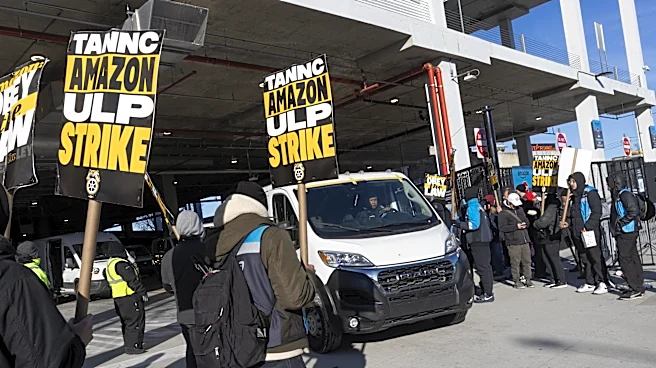
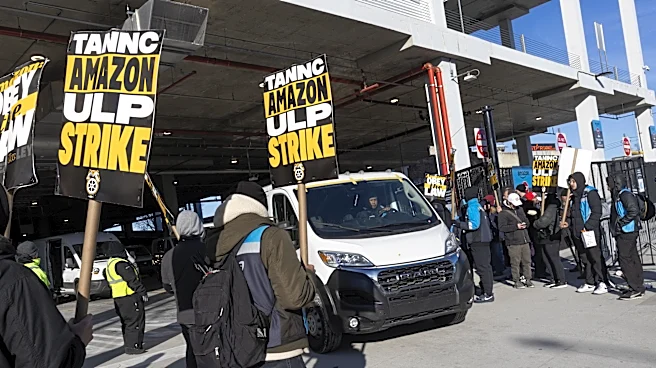
PECO, a major utility company, and the International Brotherhood of Electrical Workers Local 614 have reached a tentative agreement, ending a three-day strike. This strike was the first in PECO's 145-year history and involved 1,600 workers, including
linemen, gas technicians, and call center employees. The agreement includes wage increases and the introduction of pensions and retirement health benefits for recent hires, which were key issues for the union. The strike occurred during a period of extreme heat and storms, which caused power outages affecting approximately 150,000 customers. The union emphasized the importance of their labor in maintaining service reliability, highlighting that PECO struggled to address outages without their workforce.
Why It's Important?
The resolution of the strike is significant for both PECO and its customers. The agreement addresses long-standing grievances related to wages and benefits, which could improve employee morale and retention. For PECO, the deal ensures that they can rely on their experienced workforce rather than out-of-state contractors, especially during critical times like storm seasons. This development also underscores the power of organized labor in negotiating better terms, potentially influencing other utility companies and unions in similar negotiations. The strike and its resolution highlight the delicate balance between corporate profitability and fair labor practices, with implications for utility service reliability and customer satisfaction.
What's Next?
The tentative agreement now awaits ratification by the union members. If approved, it will set the terms for the next five years. Both PECO and the union have expressed a desire to move forward and continue their partnership. The resolution may lead to improved labor relations and service delivery in the future. However, the recent tensions and accusations during the strike could have lingering effects on trust and cooperation between the parties. The outcome of this agreement may also influence future negotiations in the utility sector, as other unions may seek similar improvements in their contracts.