


What's Happening?
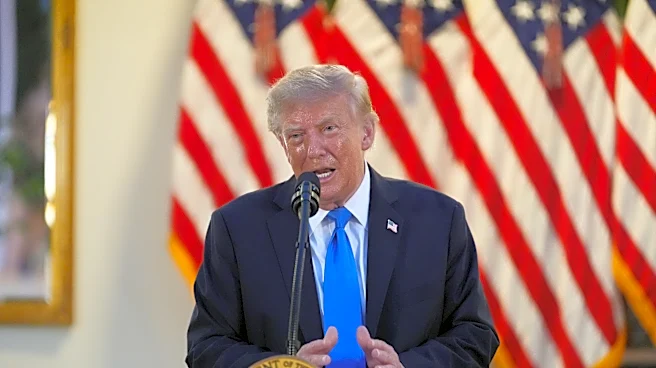
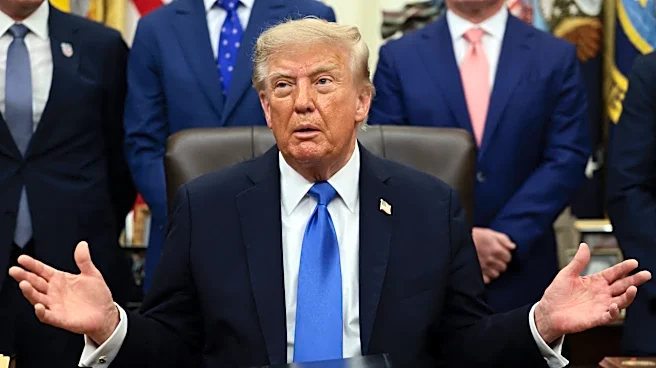
A letter to the editor published in the Grand Forks Herald by Richard Hanson of Grafton, North Dakota, calls for President Trump to resign from office or for Congress to remove him. Hanson argues that allowing President Trump to complete his remaining
two years in office would constitute a 'clear and present danger to the United States.' The letter details several areas where President Trump's policies are deemed harmful. These include his administration's pandemic policies, which Hanson claims led to thousands of avoidable deaths and widely condemned vaccine policies. The letter also criticizes President Trump's trade war, labeling it as a costly economic blunder that has increased household expenses and strained international relations. Furthermore, Hanson points to increased military spending, threats or use of military force against numerous countries, and involvement in a war with Iran without congressional approval. Other criticisms include policies that increased national debt, the separation of immigrant families, alleged targeting of journalists and peaceful demonstrators, and a pattern of seeking retribution against political opponents.
Why It's Important?
This letter to the editor reflects a segment of public opinion expressing deep concern over President Trump's policies and leadership. Such public calls for resignation or removal from office highlight significant political polarization and ongoing debates about the direction of the country. The specific criticisms raised—ranging from public health responses and economic policies to foreign relations and civil liberties—underscore the broad impact of presidential decisions on various aspects of American life. The argument that President Trump poses a 'clear and present danger' signifies a profound disagreement with his governance, suggesting a perceived threat to democratic institutions and national well-being. These sentiments, when published in local news outlets, contribute to the broader national discourse and can influence local political discussions, potentially mobilizing citizens or shaping perspectives on upcoming elections and policy debates. The letter also serves as a reminder of the constitutional mechanisms for presidential accountability, such as impeachment or the 25th Amendment, even if not explicitly invoked.
What's Next?
The immediate impact of a letter to the editor is primarily on public discourse and local political sentiment rather than direct policy change. However, such expressions of concern contribute to the ongoing national conversation surrounding President Trump's legacy and future political involvement. As the country approaches future election cycles, these criticisms may be reiterated by political opponents and discussed by voters. The letter's call for congressional action, while unlikely to materialize solely from this publication, reflects a persistent desire among some citizens for greater accountability from elected officials. The arguments presented could also fuel further debate on specific policy areas mentioned, such as trade, immigration, and healthcare, influencing how these issues are framed in future political campaigns. The continued publication of such opinions indicates that the political divisions and debates surrounding President Trump's presidency remain active and relevant in public consciousness.
Beyond the Headlines
This letter delves into fundamental questions about presidential power, accountability, and the health of American democracy. The accusations of policies harming public health, the economy, and international standing touch upon core responsibilities of the executive branch. The reference to President Trump's alleged targeting of journalists and demonstrators raises concerns about First Amendment rights and the freedom of the press, essential pillars of a democratic society. Furthermore, the critique of his approach to political opponents and the desire for retribution speaks to broader ethical considerations regarding leadership and governance. The letter implicitly questions the balance of power among the three branches of government, particularly in its call for congressional intervention. These deeper implications suggest a struggle over the very definition of American values and the principles that should guide its leadership, extending beyond immediate policy outcomes to the long-term character of the nation's political landscape.