
What's Happening?
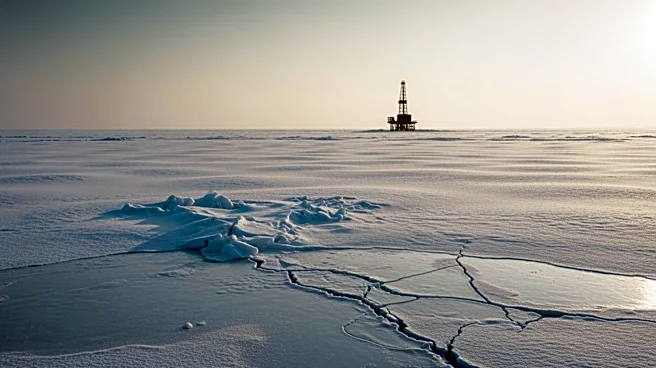
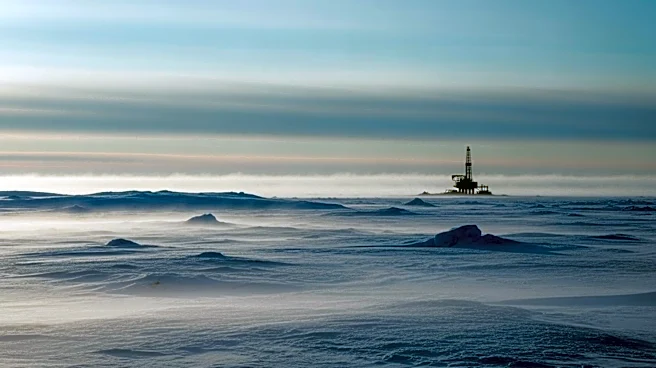
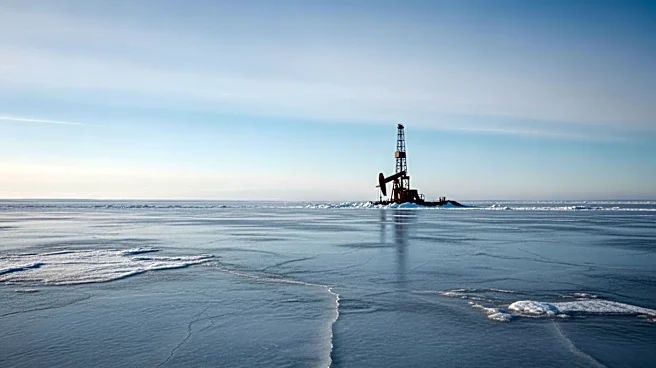
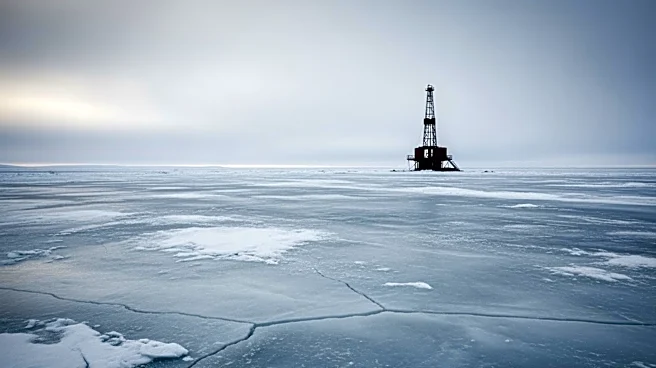
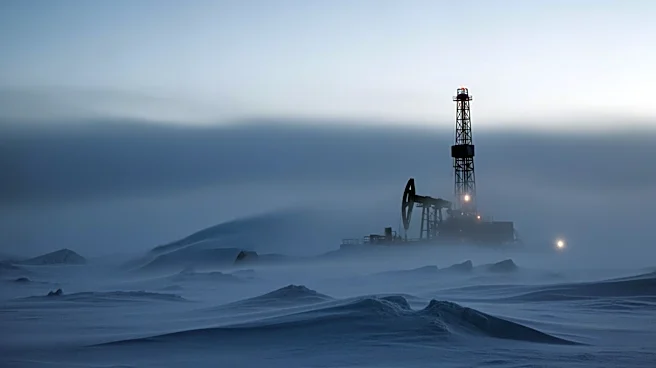
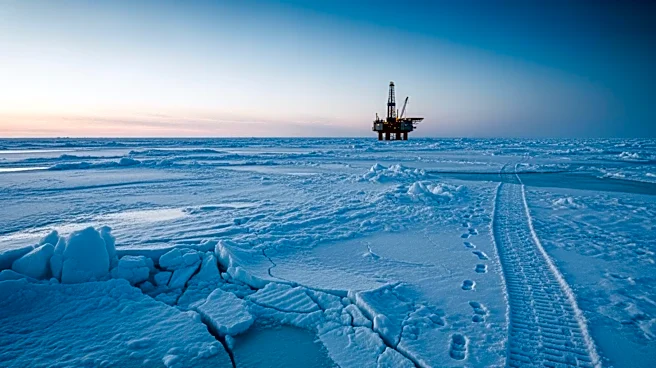
President Trump has initiated a lease sale for oil and gas drilling rights in Alaska's Arctic National Wildlife Refuge, aiming to boost energy development in the region. This marks the first lease sale since
restrictions were lifted by the Trump administration, following a four-decade ban on energy development in the refuge. The sale involves nearly 690,000 acres in the coastal plain, a region estimated to contain up to 11.8 billion barrels of recoverable oil. Despite the potential, previous lease sales have seen limited interest from major oil companies due to political uncertainty and environmental opposition. The Alaska Industrial Development and Export Authority, a state economic development agency, has shown interest in participating, alongside other smaller entities. Environmental groups and indigenous communities, such as the Gwich'in, oppose the drilling, citing threats to wildlife and sacred lands.
Why It's Important?
The lease sale is a significant move in President Trump's energy agenda, potentially increasing Alaska's crude production, which has been declining since its peak in 1988. The sale could attract investment and boost local economies, particularly in regions like Kaktovik, which support development for economic reasons. However, it also raises environmental concerns, with potential impacts on wildlife and indigenous communities. The sale tests the oil industry's willingness to invest in a politically and environmentally sensitive area, with implications for future energy policies and environmental commitments. The outcome could influence the balance between energy development and conservation efforts in the U.S.
What's Next?
The lease sale's results will reveal the level of industry interest in Arctic drilling under current political conditions. If successful, it could lead to increased oil production in Alaska, impacting local economies and energy markets. However, future administrations may alter or cancel permits, affecting long-term investment decisions. Environmental groups are likely to continue opposing the development, potentially leading to legal challenges. The sale's outcome could also influence future policy decisions regarding energy development and environmental protection in sensitive areas.
Beyond the Headlines
The lease sale highlights the ongoing debate between energy development and environmental conservation. It raises ethical questions about exploiting natural resources in protected areas and the rights of indigenous communities. The sale could set a precedent for future energy policies, influencing how the U.S. balances economic growth with environmental sustainability. It also underscores the geopolitical significance of Arctic resources, as global energy demands continue to rise.