



What's Happening?
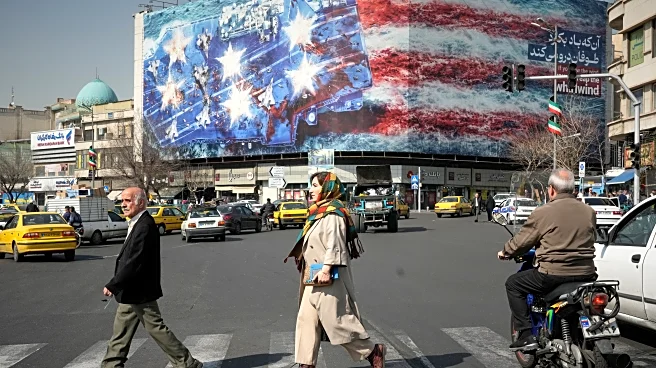
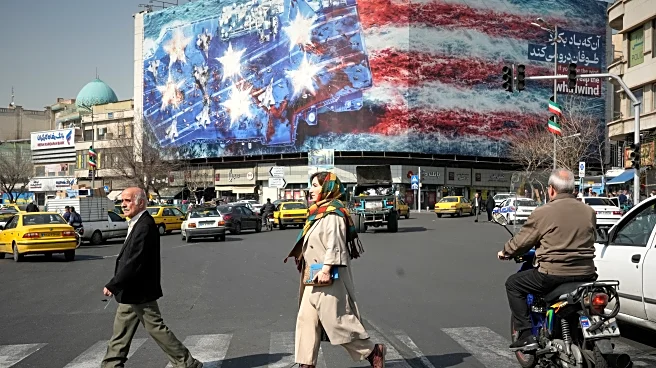
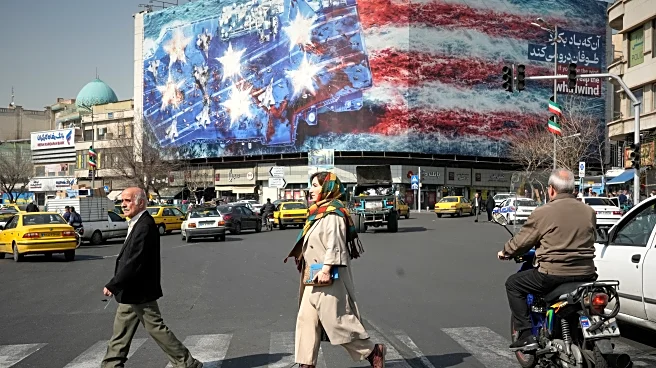
The United States and Iran are set to resume nuclear talks in Geneva on Thursday, as confirmed by Oman's foreign minister, Badr al-Busaidi. These discussions come at a time when Iran is facing internal protests and the threat of a U.S. military strike.
The talks aim to address Iran's nuclear program, with Iran's top diplomat, Abbas Araghchi, indicating a 'good chance' for a diplomatic solution. The U.S. has increased its military presence in the Middle East, seeking concessions from Iran on its nuclear activities. Iran insists on its right to enrich uranium, a point of contention in the negotiations. The talks are focused solely on the nuclear issue, despite U.S. and Israeli interests in Iran's missile program and regional influence.
Why It's Important?
The outcome of these talks could significantly impact U.S.-Iran relations and regional stability. A successful agreement might ease tensions and reduce the likelihood of military conflict, which could have severe consequences for the Middle East. For the U.S., a deal could mean a step towards non-proliferation and a reduction in Iran's nuclear capabilities. However, failure to reach an agreement could escalate tensions, potentially leading to military confrontations. The talks also occur against the backdrop of domestic unrest in Iran, which could influence the Iranian government's negotiating position.
What's Next?
If the talks progress positively, a draft proposal from Iran is expected soon, which could lead to further negotiations and potential easing of economic sanctions on Iran. However, if the talks fail, both the U.S. and Iran have signaled readiness for military action. The international community will be closely watching these developments, as they could have far-reaching implications for global security and economic stability.
Beyond the Headlines
The internal protests in Iran, sparked by government crackdowns, add a layer of complexity to the negotiations. These protests reflect domestic dissatisfaction and could pressure the Iranian government to adopt a more conciliatory approach in the talks. Additionally, the U.S.'s military buildup in the region underscores the high stakes involved, as any misstep could lead to broader conflict.