


What's Happening?
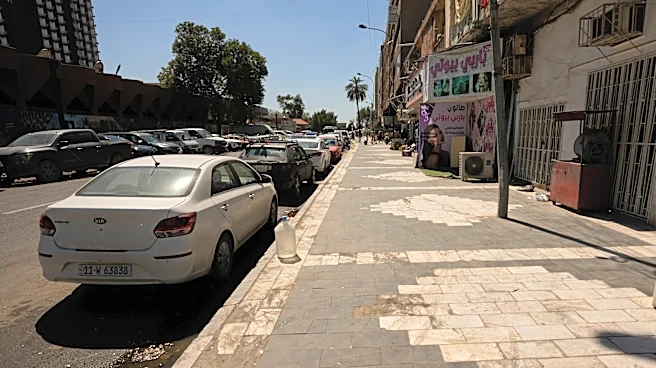
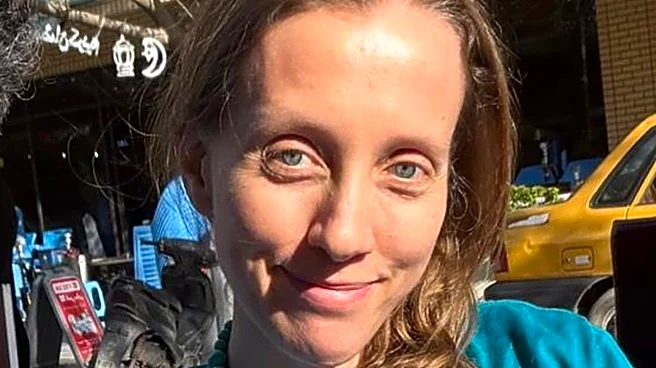
American journalist Shelly Renee Kittleson was kidnapped in Baghdad after being warned of threats against her. Kittleson, a freelance journalist with extensive experience in Iraq and Syria, was abducted from a street in the Iraqi capital. US and Iraqi officials
have indicated that she was taken by Kataib Hezbollah, an Iran-linked militia. Prior to her abduction, Iraqi authorities had informed US officials of specific kidnapping threats against her. Despite these warnings, Kittleson entered Iraq with a single-entry visa and was staying in a Baghdad hotel at the time of her kidnapping.
Why It's Important?
The kidnapping of Shelly Kittleson underscores the ongoing risks faced by journalists working in conflict zones, particularly in regions with active militia groups. This incident highlights the challenges of ensuring the safety of foreign correspondents and the complexities of navigating security threats in volatile areas. The involvement of Kataib Hezbollah, a group with a history of targeting foreigners, raises concerns about the safety of other journalists and foreign nationals in Iraq. The situation also reflects broader geopolitical tensions in the region, particularly involving Iran-linked groups and their impact on US-Iraq relations.
What's Next?
Iraqi security and intelligence agencies are actively working to locate and secure Kittleson's release. The incident is being closely monitored by Iraqi Prime Minister Mohammed Shia al-Sudani. The arrest of a suspect involved in the kidnapping plot suggests ongoing efforts to dismantle the network responsible. The US State Department has reiterated its commitment to ensuring the safety of its citizens abroad. The outcome of this case could influence future policies on journalist safety and international cooperation in conflict zones.