








What's Happening?
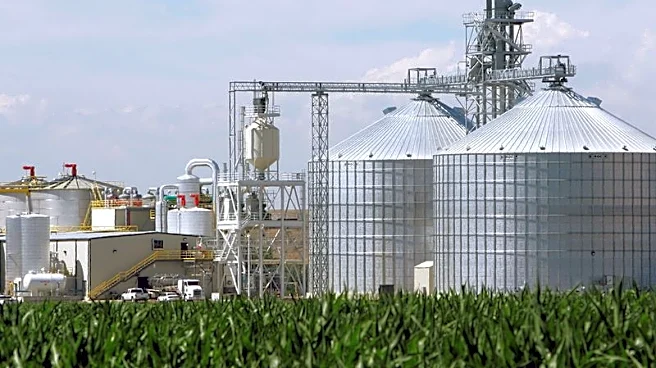
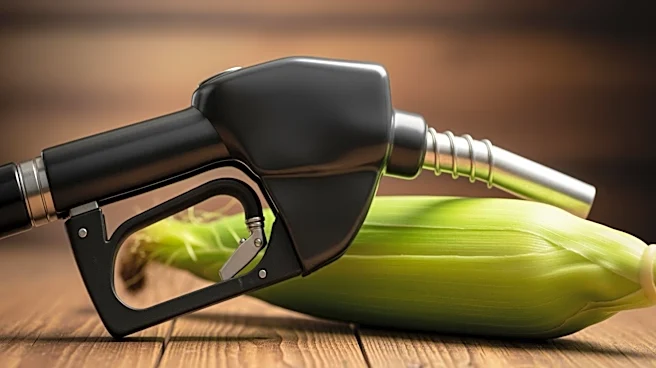
An amendment to the U.S. House farm bill is proposing to allow year-round sales of E15, a gasoline blend containing 15% ethanol. This move is supported by Iowa and U.S. ethanol and corn groups, who argue that E15 provides a more affordable fuel option
for consumers while supporting American farmers. Currently, E10, which contains 10% ethanol, is available year-round, but E15 sales have been restricted during summer months due to concerns about smog. The amendment aims to address these restrictions, which some industry experts claim are based on outdated science. The proposal has gained momentum after a task force, co-led by U.S. Rep. Randy Feenstra, worked to reach a compromise following a previous deal that fell apart. The amendment is seen as a significant step forward for E15 advocates, who have been lobbying for unrestricted sales for over 15 years.
Why It's Important?
The proposed amendment is significant as it could lead to lower fuel prices for consumers and increased demand for American corn and ethanol producers. With rising gas prices exacerbated by geopolitical tensions, such as the U.S.-Israel conflict with Iran affecting oil supplies, E15 offers a cheaper alternative to traditional gasoline. The increased demand for E15 could generate substantial revenue for corn growers and ethanol producers, providing a much-needed economic boost to U.S. farmers, particularly in Iowa, the largest producer of ethanol. Additionally, the amendment could help reduce the U.S.'s reliance on foreign oil, promoting energy independence. However, the proposal faces opposition from oil refiners who cite higher costs associated with increased biofuel blending mandates.
What's Next?
If the amendment is passed, it will need to be signed into law by the President. President Trump has expressed support for E15 legislation, stating he would sign it without delay. The amendment's passage could lead to permanent year-round sales of E15, benefiting both consumers and the agricultural sector. However, the proposal may face challenges from oil industry stakeholders who oppose increased biofuel mandates. The outcome of this legislative effort will likely influence future energy policies and the balance between traditional and renewable fuel sources in the U.S.