

What's Happening?
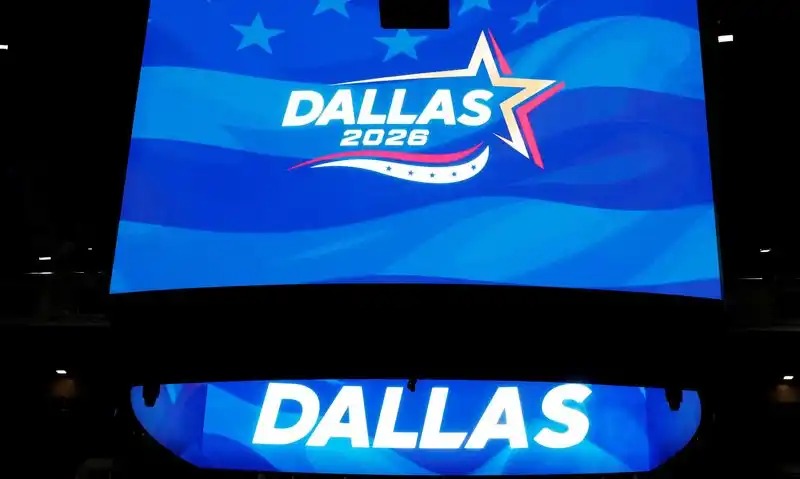
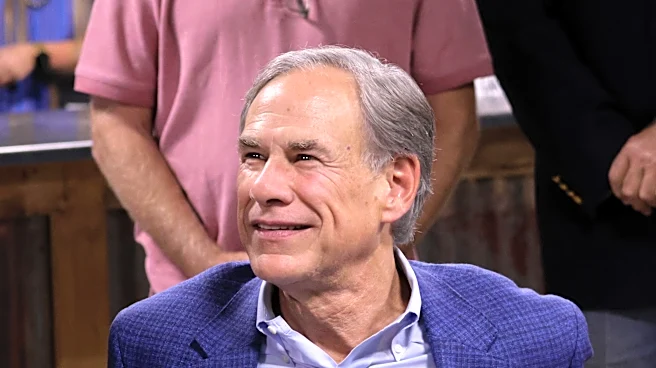
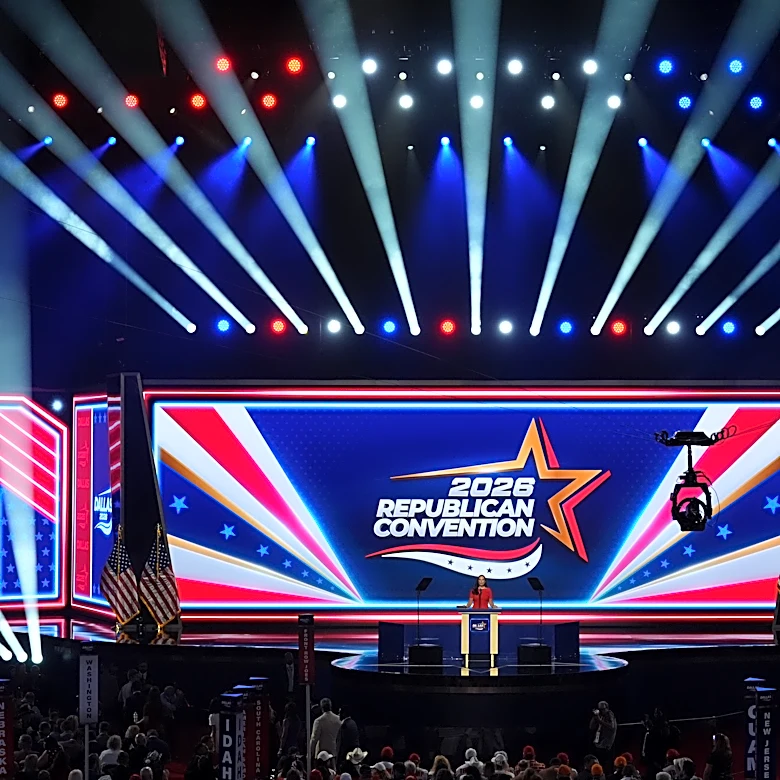
Republican Representative Zach Nunn of Iowa's 1st congressional district opted not to attend President Trump's midterm convention in Dallas, Texas, held in September 2026. Instead, Nunn chose to remain in his district, citing a commitment to his work
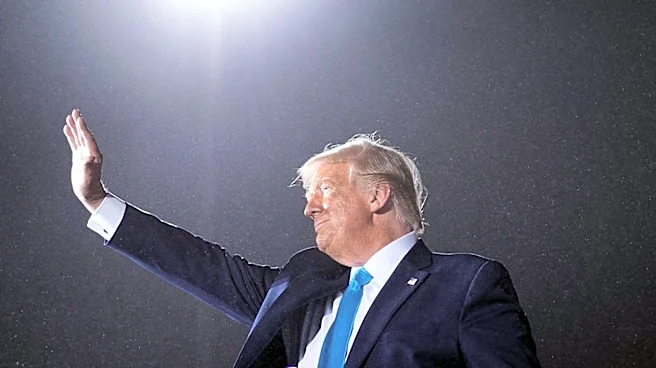
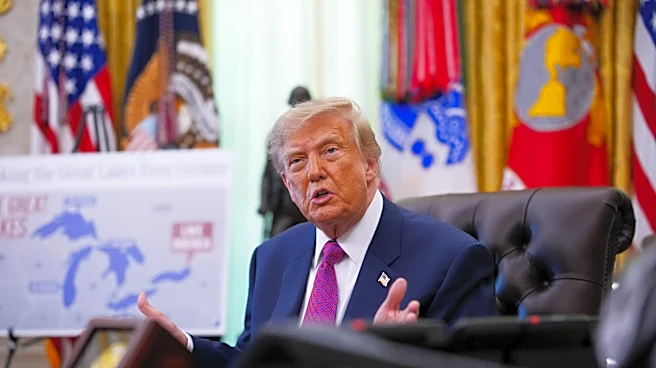
there. This decision comes as Nunn faces a competitive reelection campaign in what is considered a toss-up district. The convention, a first-ever GOP midterm event, featured President Trump and Vice President JD Vance as keynote speakers, alongside numerous Cabinet members and congressional leaders. While approximately 100 House Republican members and candidates were expected to attend, representing about half of the House GOP, several other battleground candidates also chose to skip the event. The Republican National Committee stated the convention aimed to articulate a 'clear and bold plan' for the party's work after achieving victory in November, focusing on issues like strong borders, immigration, and the economy.
Why It's Important?
Representative Nunn's decision highlights the strategic considerations faced by Republican candidates in competitive districts, particularly when aligning with President Trump. His absence from a high-profile party event, despite its aim to rally support and define the party's agenda, underscores a potential effort to maintain a distinct local focus. For candidates in 'toss-up' races, the perceived benefits of attending a national convention, which could energize the base, must be weighed against the potential for alienating moderate voters or being seen as too closely tied to national political figures. This dynamic is especially relevant given President Trump's approval ratings and the broader political climate. The convention itself represents an unusual move for the Republican Party, aiming to mobilize voters in a midterm year, a period when presidential parties often face headwinds. The attendance choices of individual candidates like Nunn can signal their campaign strategies and their assessment of how best to secure victory in their specific electoral landscapes.
What's Next?
As the midterm elections approach, Representative Nunn will likely continue to prioritize his district-level engagement, aiming to connect directly with constituents and address local concerns. His campaign strategy will be closely watched as an indicator of how Republican candidates in swing districts navigate their relationship with the national party and President Trump. The Republican National Committee will continue its efforts to unify the party and energize its base, using the momentum from the convention to support candidates across the country. However, the effectiveness of such national events in influencing local races, especially when key candidates choose to focus on their districts, remains to be seen. The upcoming election results in districts like Nunn's will provide insight into whether a localized campaign approach, even at the expense of national party visibility, proves more successful for vulnerable incumbents.
Beyond the Headlines
Representative Nunn's choice to prioritize district work over attending a national convention reflects a broader tension within political parties, particularly in an era of heightened political polarization. While national conventions aim to project unity and a cohesive message, individual candidates in competitive races often face the challenge of tailoring their message to local demographics and concerns. This can lead to a strategic distancing from national party figures or events, even if it means missing opportunities for fundraising or networking. The decision also speaks to the evolving nature of political campaigning, where direct constituent engagement and local issues can sometimes outweigh the perceived benefits of national endorsements or appearances. It highlights the delicate balance candidates must strike between party loyalty and electoral pragmatism, especially when their political survival depends on appealing to a diverse electorate in a closely contested district.