




What's Happening?
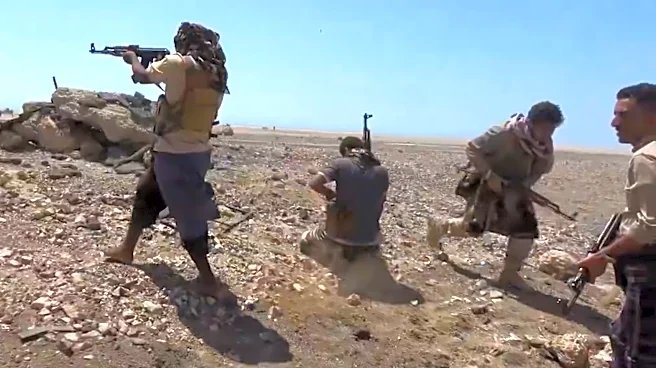
Pakistan's Ministry of Information and Broadcasting has strongly refuted a New York Times report alleging that Pakistan Air Force (PAF) fighter jets were engaged in strikes against Yemen's Houthi rebels. The Ministry labeled the story as 'fake and fabricated,'
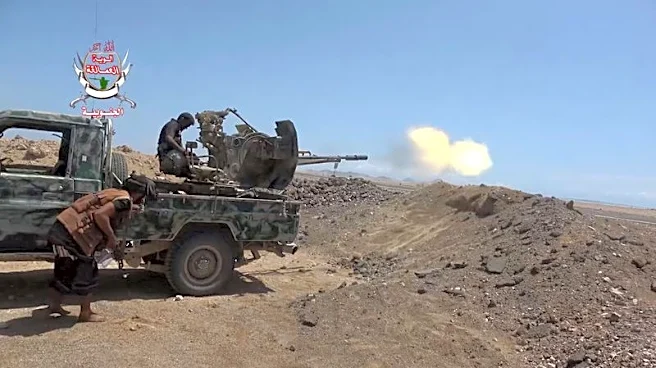
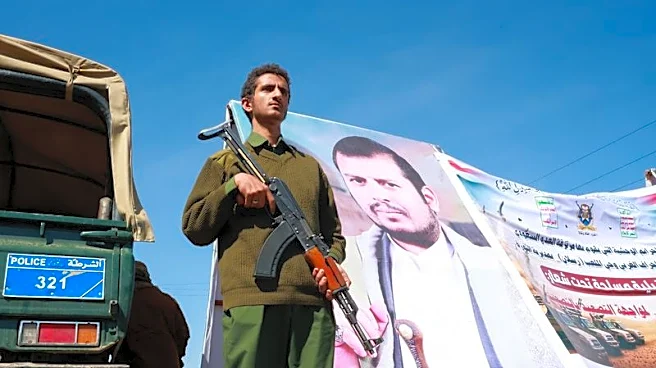
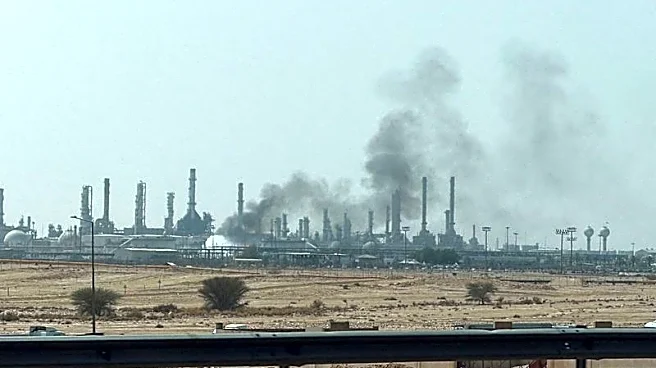
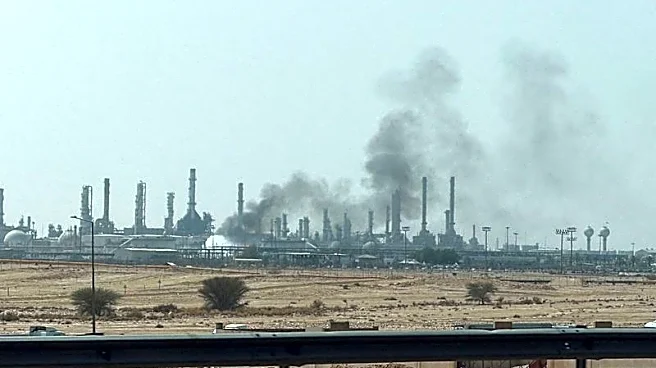
urging international media to avoid speculative reporting regarding the deployment of Pakistani military forces under the Mecca Joint Defense Agreement. The New York Times article, published on October 7, cited unnamed Pakistani military officials who claimed PAF jets were being used against the Houthis amidst escalating attacks on Saudi Arabia. One official reportedly stated that Pakistan's role focused on degrading Houthi drone and missile threats through air support, rather than a ground offensive in Yemen. However, Pakistan's Ministry of Information and Broadcasting explicitly denied these claims, stating that details of any employment, if necessary, would be provided by concerned authorities. Director-General of Inter-Services Public Relations Lt. Gen. Ahmed Sharif Chaudhry confirmed that Pakistani forces are present in Saudi Arabia in 'multiple capabilities and domains' but declined to provide specifics on numbers, roles, or possible operations, citing classification. He did not confirm involvement in operations across the Saudi border into Yemen.
Why It's Important?
This development is significant as it highlights the delicate balance Pakistan is attempting to maintain in its foreign policy, particularly in the Middle East. While Pakistan has historically pursued a cautious stance on the Yemen conflict, it has simultaneously deepened defense cooperation with Saudi Arabia. The Mecca Joint Defense Agreement, which includes Turkey, signifies a growing military commitment to Riyadh, especially as Saudi Arabia faces continued Houthi attacks. However, Pakistan also seeks to act as a mediator between Iran and the United States, a role praised by UN Secretary-General Antonio Guterres. Direct military involvement in offensive operations against the Houthis could jeopardize Pakistan's credibility as a neutral mediator and potentially draw it into a wider regional conflict. The rejection of the New York Times report underscores Pakistan's efforts to control the narrative surrounding its military engagements and avoid actions that could undermine its diplomatic standing or escalate regional tensions. The situation also reflects the increasing influence of Pakistan's military in foreign policy decisions, as evidenced by the recent agreement to send more forces to Saudi Arabia without a parliamentary vote, a departure from past practices.
What's Next?
Pakistan is expected to continue its efforts to clarify its role under the Mecca Joint Defense Agreement, emphasizing defensive support for Saudi Arabia while reiterating its commitment to mediation efforts in the broader Middle East. The Ministry of Information and Broadcasting will likely maintain its stance against speculative reporting, urging media outlets to rely on official statements for information regarding military deployments and operations. The extent of Pakistan's military commitment to Saudi Arabia, particularly concerning potential direct combat roles, will remain a critical point of observation. Any future deployments or operational details, if deemed necessary, are expected to be communicated through official channels by relevant authorities. The international community, including the United States and Iran, will closely monitor Pakistan's actions to assess their impact on regional stability and the ongoing efforts to de-escalate tensions in the Gulf. The internal political dynamics within Pakistan, particularly the military's influence on foreign policy, will also continue to be a subject of scrutiny.
Beyond the Headlines
The incident reveals the complex interplay between military alliances, diplomatic aspirations, and media reporting in a volatile region. Pakistan's dual role as a military partner to Saudi Arabia and a mediator between Iran and the U.S. presents inherent challenges. The rejection of the New York Times report highlights the strategic importance of information control and narrative management in international relations, especially when dealing with sensitive military engagements. The situation also brings to light the evolving nature of defense pacts and the potential for misinterpretation or misrepresentation of their scope. Furthermore, the increased influence of Pakistan's military in foreign policy, as noted by analysts, raises questions about democratic oversight and the balance of power within the country. The long-term implications could include a re-evaluation of Pakistan's non-aligned foreign policy principles, a shift in regional power dynamics, and potential challenges to its diplomatic credibility if its actions are perceived as inconsistent with its stated mediation efforts. The incident underscores the need for clear communication and transparency from all parties involved to prevent escalation and maintain regional stability.