



What's Happening?
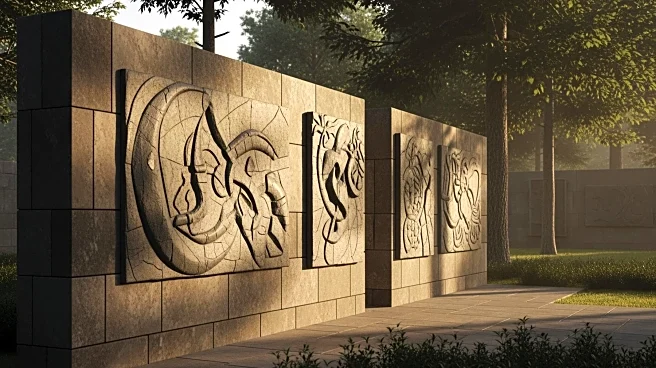
A federal judge has ruled that the Trump administration's removal of slavery memorial panels from the President's House in Philadelphia was wrongful. The panels, which were installed in 2002, were removed following an executive order by President Trump in March
2025 that prohibited exhibitions at federal sites based on race. The panels highlighted the history of nine enslaved individuals at the site. U.S. District Judge Cynthia M. Rufe granted a preliminary injunction requiring the panels' return, pending further litigation. The decision follows protests by activists who originally lobbied for the panels' installation.
Why It's Important?
The ruling underscores ongoing tensions over how American history, particularly regarding slavery, is represented in public spaces. The removal of the panels was seen by many as an attempt to erase uncomfortable aspects of history, sparking protests and debates about historical representation and racial justice. The decision to reinstate the panels is a victory for activists who argue for a comprehensive and honest portrayal of history. It also highlights the broader national conversation about race, memory, and the role of government in shaping historical narratives.
What's Next?
The case will continue to be litigated, with potential implications for how historical narratives are managed at federal sites. The ruling may prompt other challenges to similar actions taken under the executive order. Activists and historians will likely continue to advocate for inclusive historical representations, while the administration may seek to defend its policies. The outcome could influence future federal policies on historical exhibitions.