
What's Happening?
A severe heat wave has resulted in at least 25 deaths across the United States, with the majority occurring in New Jersey. The heat wave has affected 40 million people under heat alerts across the East
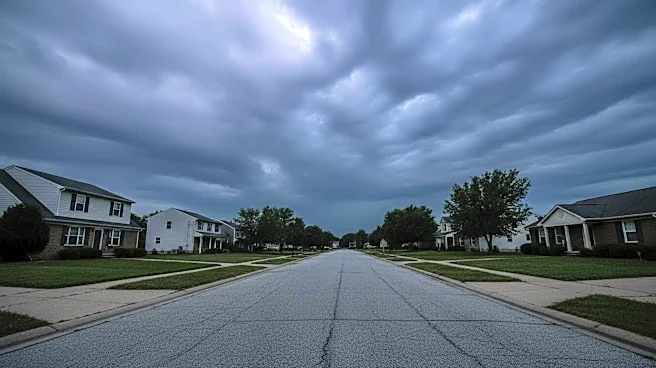
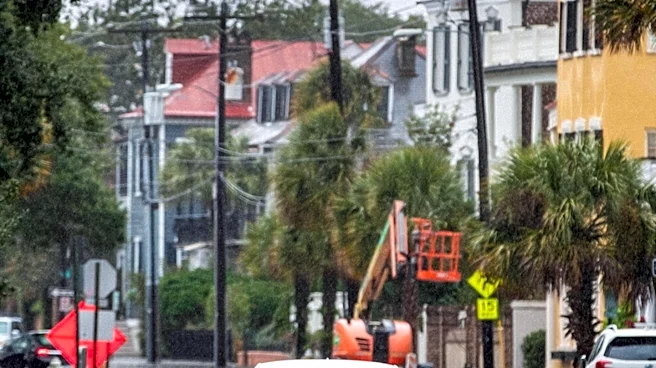
Coast, Southeast, and Southwest. Record high temperatures were recorded in several cities, including Washington, D.C., Baltimore, and Raleigh. In addition to the heat, storms have brought damaging winds and the threat of flash flooding to the East Coast. The National Weather Service reported over 540 damaging wind gusts across the central and eastern U.S., with some gusts reaching up to 92 mph. Flood alerts are in place for 34 million people from Delaware to Connecticut, with the potential for 2 to 8 inches of rain through Monday.
Why It's Important?
The ongoing heat wave and accompanying storms highlight the increasing frequency and severity of extreme weather events, which have significant implications for public health and safety. The high number of heat-related deaths underscores the vulnerability of certain populations, particularly the elderly and those with pre-existing health conditions. The storms and potential flooding pose additional risks, including property damage and disruptions to transportation and daily life. These events stress the importance of emergency preparedness and the need for infrastructure capable of withstanding such extreme conditions.
What's Next?
As temperatures are expected to drop slightly, the immediate focus will be on managing the aftermath of the heat wave and storms. Emergency services will likely continue to respond to heat-related illnesses and storm damage. Authorities may also review and update heat and storm preparedness plans to better protect vulnerable populations in the future. The ongoing weather events may prompt discussions on climate change and the need for sustainable solutions to mitigate the impact of extreme weather.