








What's Happening?
Iran has launched limited drone attacks against three Gulf countries, including Kuwait, Qatar, and the UAE, as part of a strategy to maintain pressure on the United States during ongoing negotiations. The Kuwaiti Army intercepted two drones, while a drone struck
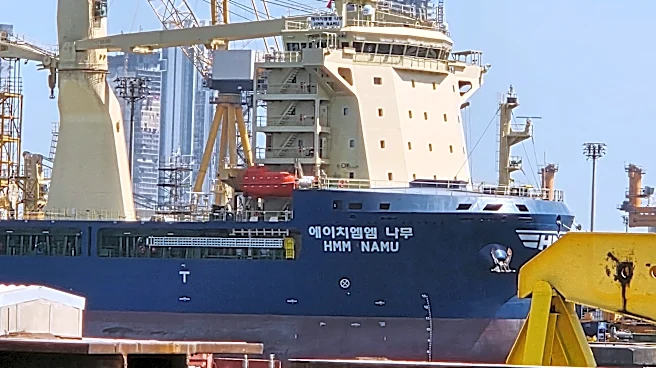
a cargo vessel in Qatari waters, causing a fire that was extinguished by the crew. The UAE also reported intercepting two drones fired from Iran. These actions are seen as part of an IRGC-led strategy to pressure Gulf states to influence U.S. negotiators to grant Iran concessions. Despite the attacks, a Qatari-owned LNG tanker was allowed to transit the Strait of Hormuz, indicating a complex diplomatic situation.
Why It's Important?
These attacks highlight the ongoing tensions in the Gulf region and the complex geopolitical dynamics involving Iran, the U.S., and Gulf states. The use of drones underscores the evolving nature of military tactics in the region, raising concerns about security and stability. The attacks could strain relations between Iran and Gulf states, potentially impacting regional cooperation and economic activities, particularly in the energy sector. The situation also reflects the broader implications of U.S.-Iran negotiations, with potential consequences for international diplomacy and security.
What's Next?
The Gulf states may respond by increasing their defense measures and seeking further support from international allies, including the U.S. The situation could lead to heightened military readiness and diplomatic efforts to de-escalate tensions. The outcome of the U.S.-Iran negotiations will be crucial in determining the future of regional stability. Continued pressure from Iran may lead to a more aggressive stance from Gulf states, potentially complicating diplomatic efforts and impacting global energy markets.