
What's Happening?
South Africa's agricultural sector is undergoing a transformation, focusing on resilience through innovation as highlighted at the upcoming NAMPO Harvest Day in Bothaville. The event, scheduled from May
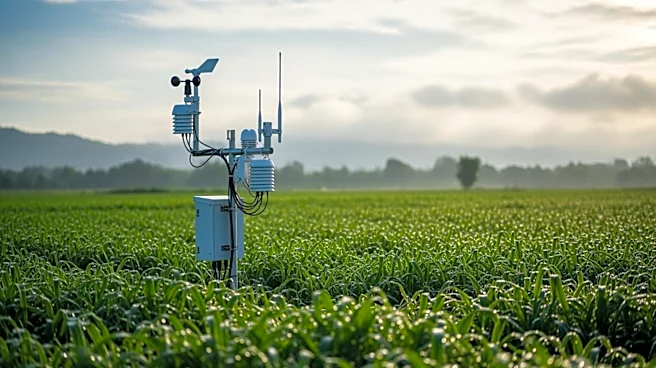
12 to 15, 2026, emphasizes the shift from short-term survival strategies to long-term profitability and sustainability. Brendan Jacobs, Head of Agribusiness at Standard Bank South Africa, notes that resilience in agriculture now involves using innovation and better information to make smarter decisions, manage risk, and build profitable farming businesses. The sector is responding to rising cost pressures by prioritizing planning, adaptation, and commercial discipline over defensive measures. Innovation is being applied across the agricultural value chain to improve operational efficiency, financial planning, and market access, with a focus on solutions that deliver tangible value and support commercial sustainability.
Why It's Important?
The shift towards innovation-driven resilience in South Africa's agricultural sector is crucial for its long-term sustainability and competitiveness. By moving beyond traditional survival tactics, farmers are better equipped to handle economic volatility and environmental challenges. This approach not only enhances profitability but also positions the sector for sustained growth. The emphasis on innovation and strategic planning reflects a broader trend in global agriculture, where adaptability and efficiency are key to thriving in a rapidly changing market. As South African farmers embrace these strategies, they contribute to the country's economic stability and food security, potentially influencing agricultural practices worldwide.
What's Next?
The NAMPO Harvest Day will serve as a platform for discussions on transforming resilience into a strategy for long-term competitiveness. Standard Bank plans to engage with clients and industry stakeholders during the event, focusing on turning innovation into commercially resilient agricultural businesses. The conversations at NAMPO 2026 are expected to drive further adoption of innovative practices across the sector, encouraging farmers to implement solutions that enhance efficiency and profitability. As these strategies gain traction, they may lead to increased investment in agricultural technology and infrastructure, further strengthening the sector's resilience.