




What's Happening?
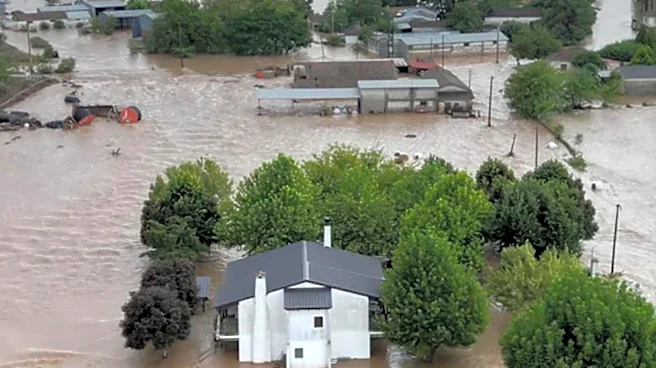
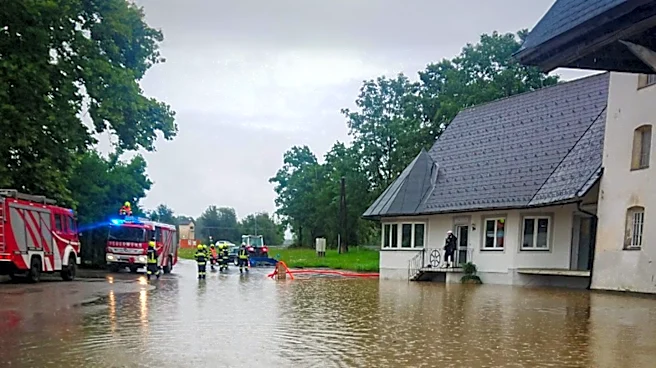
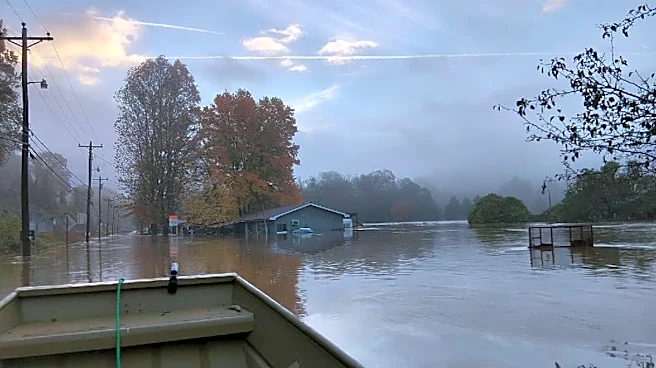
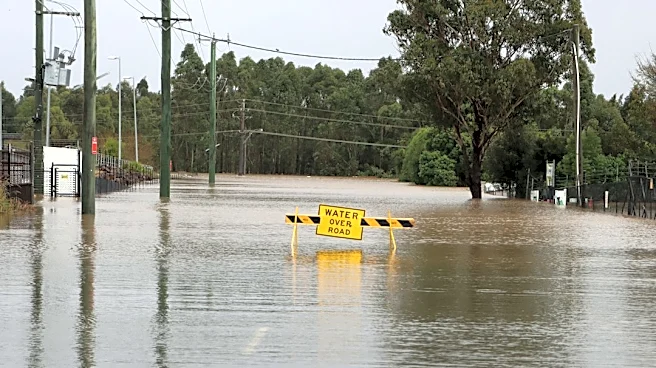
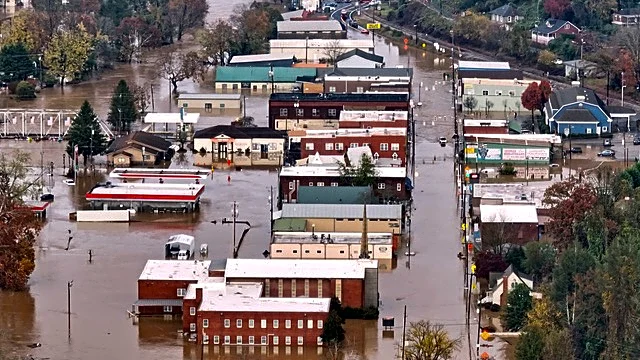
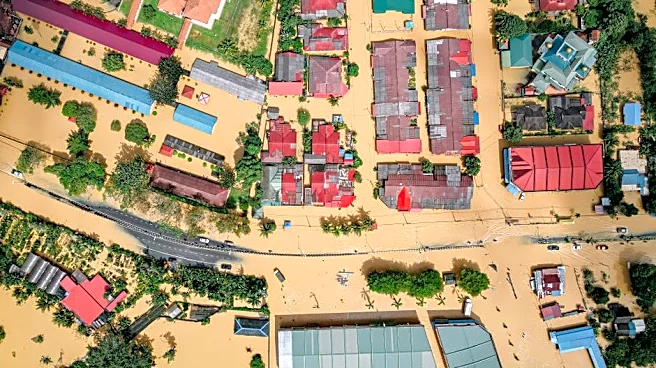
Georgia Governor Brian Kemp has declared a state of emergency for Fannin, Gilmer, Murray, and Union counties in north Georgia. This declaration comes after severe overnight flash flooding inundated business districts, washed out roads, and necessitated
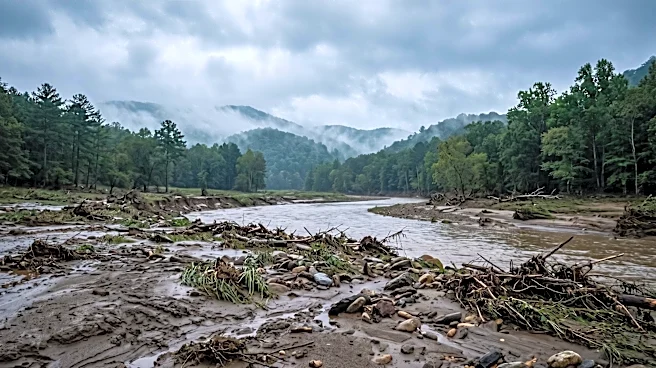
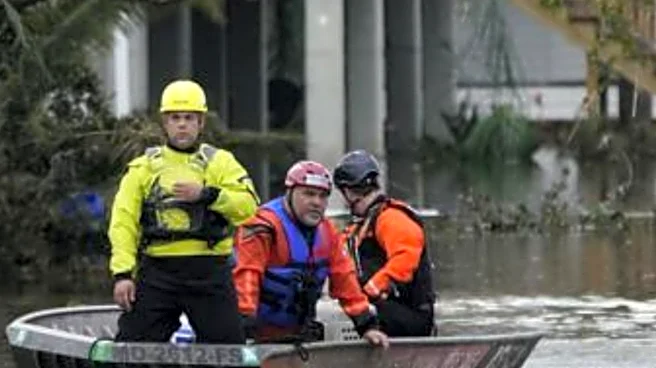
the evacuation of dozens of residents. The flooding was caused by a fast-moving storm system that delivered up to six inches of rain across the region. The Toccoa River experienced a significant surge, rising approximately 16 feet in 12 hours to reach a record crest of about 18 feet, surpassing a historical high set in February 1990. First responders, including swift-water rescue crews and U.S. Army Rangers, conducted numerous rescues using boats and a military helicopter. While no major injuries were reported, several individuals were treated for hypothermia. Floodwaters began receding by Thursday afternoon, revealing extensive mud, silt, and damage to storefronts.
Why It's Important?
The declaration of a state of emergency is crucial as it mobilizes state resources, equipment, and funding to assist local cleanup and recovery efforts in the affected counties. This immediate aid is vital for communities like McCaysville, which are grappling with thick mud and debris. The record-breaking flood levels highlight the increasing vulnerability of infrastructure and communities to extreme weather events. The economic impact on local businesses, particularly in the shared downtown tourism corridor, is expected to be substantial, affecting livelihoods and regional revenue. The need for swift assessment of damaged infrastructure, including roads and bridges, is paramount for restoring normalcy and ensuring public safety. This event underscores the importance of robust emergency response systems and potentially calls for re-evaluating flood mitigation strategies in vulnerable areas.
What's Next?
State and local officials are currently assessing the full extent of the damage, including the final tally of displaced families, damaged homes, and businesses. An official dollar estimate for the damage has not yet been released. Authorities also need to provide a timeline for repairing washed-out roads and inspecting bridges that have been impacted by debris. The state of emergency will remain in effect to facilitate ongoing recovery operations and ensure that affected communities receive necessary support. Residents in the impacted areas are urged to remain vigilant and follow instructions from local emergency officials as cleanup efforts continue. The long-term recovery will involve significant coordination between state and local agencies to rebuild infrastructure and support affected residents and businesses.
Beyond the Headlines
This severe flooding event in north Georgia raises broader questions about climate resilience and urban planning in areas prone to natural disasters. The record-breaking river crest suggests a potential shift in weather patterns or an increase in the intensity of rainfall events, which could necessitate updated infrastructure standards and early warning systems. The impact on small towns and their tourism-dependent economies highlights the disproportionate vulnerability of such communities to environmental shocks. Furthermore, the incident may prompt discussions about land use policies in river basins and mountainous regions to mitigate future risks. The coordinated response involving state agencies and military personnel also underscores the critical role of inter-agency cooperation in disaster management, offering lessons for future emergency preparedness across the nation.