
What's Happening?
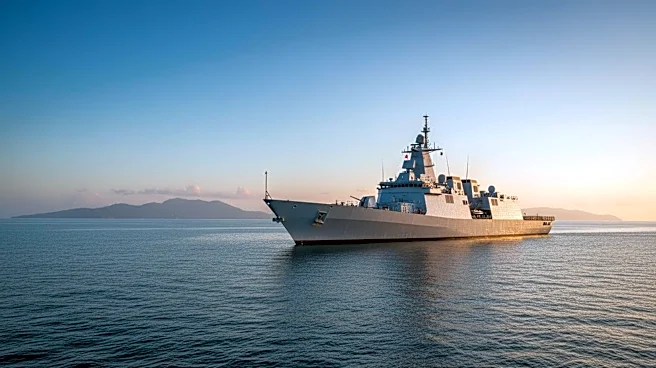
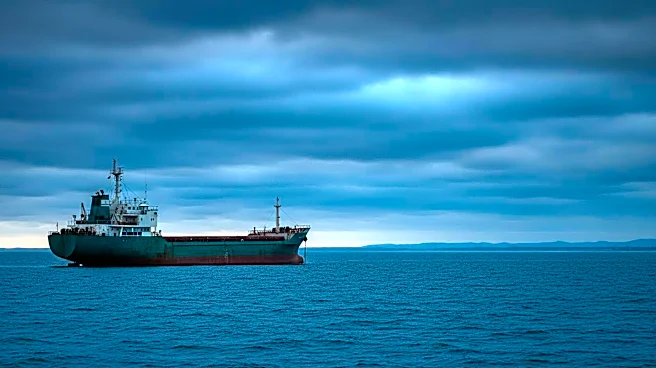
Indonesian authorities have successfully intercepted a vessel off Sumatra, seizing approximately 2.6 tons of liquid methamphetamine and detaining 10 Myanmar nationals. The operation was a collaborative
effort by Indonesia’s National Narcotics Agency, customs officials, and Riau Islands police. Intelligence indicated that the vessel, identified as the Tanzania-flagged MV Ocean Porter (believed to have previously operated as MV Rain Maker), was transporting narcotics from Malaysia’s Sarawak state into Indonesian waters. The liquid methamphetamine was discovered hidden inside eight drums and the vessel’s water tanks. This seizure marks one of Indonesia's largest drug busts this year and follows another significant narcotics interception less than two weeks prior, where 1.3 tons of ketamine were confiscated off Bintan island. The United Nations Office on Drugs and Crime identifies Indonesia as a major hub for drug trafficking, with international syndicates targeting its large young population.
Why It's Important?
This significant drug bust underscores Indonesia's ongoing struggle against international drug trafficking networks. The seizure of 2.6 tons of liquid methamphetamine highlights the scale of illicit drug operations targeting the region. Indonesia maintains some of the world's strictest anti-drug laws, including the death penalty for traffickers, though a moratorium on executions has been in place for several years. The continuous efforts by Indonesian authorities, including joint operations between military and law enforcement agencies, are crucial in disrupting these transnational criminal organizations. The vulnerability of Indonesia's vast coastline and its proximity to major regional shipping routes make it an attractive target for smugglers. The success of this operation demonstrates the effectiveness of intelligence-led enforcement and international cooperation in combating drug trade, which has profound societal impacts, particularly on the young population targeted by these syndicates.
What's Next?
Authorities are continuing an intensive investigation into the detained crew members and the seized evidence to identify and dismantle the international trafficking network responsible for this shipment. This will likely involve further intelligence gathering and potential collaboration with international law enforcement agencies, given the transnational nature of the drug trade. Roy Hardi Siahaan, the National Narcotics Agency’s director of enforcement, stated that military and law enforcement agencies will continue joint operations to disrupt international trafficking networks operating in Southeast Asian waters. The legal process for the 10 Myanmar nationals will proceed under Indonesia's strict drug laws, which could lead to severe penalties. The ongoing efforts aim to strengthen maritime border security and enhance surveillance to prevent future smuggling attempts along Indonesia's vulnerable coastlines.
Beyond the Headlines
The repeated large-scale drug seizures in Indonesian waters, such as this 2.6-ton methamphetamine bust and the earlier 1.3-ton ketamine confiscation, reveal a persistent and sophisticated challenge posed by international drug syndicates. These incidents highlight the broader geopolitical and economic factors that make Southeast Asia a critical region for drug trafficking. The involvement of vessels altering their identities to evade detection points to the adaptive strategies employed by these criminal organizations. Beyond the immediate law enforcement actions, the long-term implications include the need for sustained international cooperation, enhanced technological capabilities for surveillance, and addressing the root causes that make populations vulnerable to drug use. The ethical considerations surrounding Indonesia's strict drug laws and the death penalty also remain a significant aspect of the country's approach to combating this illicit trade.