







What's Happening?
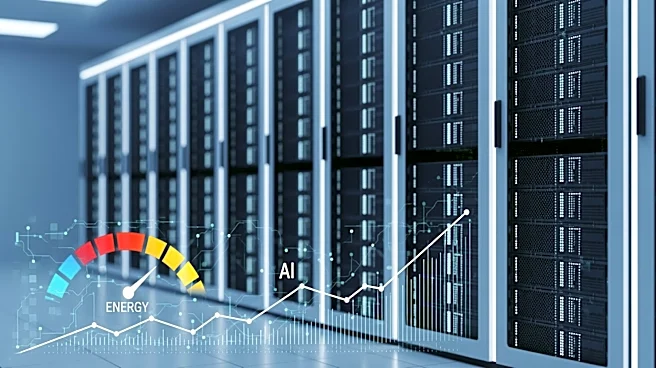
Electricity bills in Maryland and other states have been rising significantly, with some areas experiencing increases of over 20% in the past year. A key factor contributing to this rise is the expansion of data centers, which are essential for supporting
the growing demand for artificial intelligence (AI) technologies. These data centers require substantial amounts of electricity, comparable to the consumption of small cities, thereby putting additional pressure on the aging electric grid. This increased demand can lead to higher utility costs for consumers. According to Consumer Reports, utilities cannot independently raise rates; they must seek approval from state public utility commissions (PUCs), which regulate electricity, gas, and water prices. Consumers have the opportunity to participate in hearings and provide feedback before any rate hikes are approved.
Why It's Important?
The rising electricity bills have significant implications for consumers and the broader economy. As AI technologies become more integrated into daily life, the infrastructure required to support them, such as data centers, can lead to increased utility costs. This situation highlights the need for careful regulation and planning to ensure that the benefits of technological advancements do not disproportionately burden consumers. The role of state public utility commissions is crucial in balancing the interests of utility companies and consumers, ensuring that rate increases are justified and necessary. The situation also underscores the importance of investing in modernizing the electric grid to handle increased demand without causing undue financial strain on households.
What's Next?
As the demand for AI technologies and data centers continues to grow, it is likely that utility companies will seek further rate increases to cover the costs of necessary infrastructure upgrades. Consumers and advocacy groups may increasingly engage with public utility commissions to voice their concerns and influence decisions regarding rate hikes. Additionally, there may be a push for more sustainable and efficient energy solutions to mitigate the impact of rising electricity demand. Policymakers and industry leaders might explore alternative energy sources and technologies to reduce reliance on traditional power grids and minimize the financial impact on consumers.