



What's Happening?
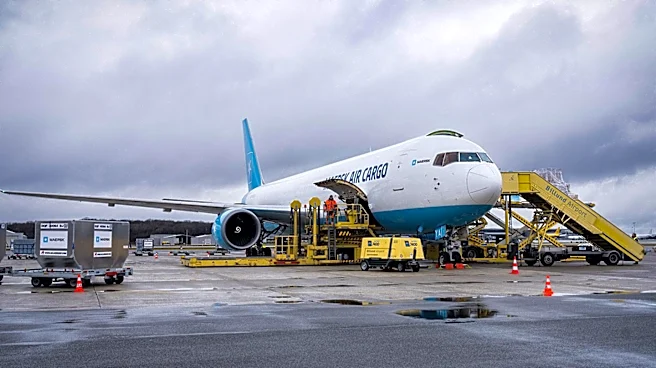
The Ted Stevens Anchorage International Airport (ANC) is undergoing significant infrastructure upgrades to accommodate increasing air freight demand, particularly from Asia. Despite being a crucial hub in the national transportation infrastructure, ANC faces
challenges such as aging airfield infrastructure, congested terminal operations, and competition from other transportation modes. The Federal Aviation Administration (FAA) has allocated substantial funding for runway upgrades to enhance the airport's capacity. This modernization effort is critical as Alaska heavily relies on air freight for essential supplies like food and medicine due to its unique geography and climate. In 2023, ANC handled over 4.4 million passengers, a 2% increase from the previous year, and processed over 3.3 million metric tons of air freight in 2022, making it the fifth busiest airport in the United States for cargo. Efforts are also underway to improve passenger experience with modernized terminal amenities.
Why It's Important?
The modernization of Ted Stevens Anchorage International Airport is vital for maintaining critical supply lines to and from Alaska, a state heavily dependent on air transport for its daily operations. As a primary air cargo hub, ANC generates significant revenue from international air traffic, contributing substantially to the local economy. A 2009 study indicated that international air travel had an economic impact of approximately $3.8 billion on Alaska, representing over 7% of the state's GDP. The ongoing upgrades ensure that the airport can continue to facilitate the shipment of essential goods to remote areas and serve as a crucial gateway for international cargo. Failure to modernize could lead to disruptions in supply chains, increased costs for goods, and a negative impact on Alaska's economy, affecting residents and businesses alike. The investment also positions the U.S. to better handle growing global trade demands, particularly with Asia.
What's Next?
The Ted Stevens Anchorage International Airport will continue its modernization efforts, focusing on sustainable growth and securing Alaska's critical supply lines. The FAA's allocated funding will be utilized for ongoing runway upgrades, and airport officials plan to enhance terminal amenities to improve the passenger experience. Alaska Airlines and other major carriers are expected to continue investing in new aircraft and upgrading existing fleets to maximize efficiency. These efforts aim to address the challenges of aging infrastructure and increasing cargo traffic, ensuring the airport remains a key player in the national and international air transportation network. Future developments will likely include further technological advancements in air traffic management and continued collaboration with cargo carriers to optimize operations.
Beyond the Headlines
The strategic importance of Ted Stevens Anchorage International Airport extends beyond its immediate economic impact, touching upon national security and geopolitical considerations. Its location near the Bering Strait makes it a critical logistical point for military and humanitarian operations in the Arctic region. The airport's ability to handle large volumes of cargo and serve as a refueling stop for international flights underscores its role in global supply chain resilience. Furthermore, the modernization efforts highlight the broader challenge of maintaining and upgrading aging infrastructure across the U.S. transportation sector. The balance between economic growth, environmental sustainability, and infrastructure development at ANC could serve as a model for other critical transportation hubs facing similar pressures.