






What's Happening?
A Baltimore nonprofit, The 6th Branch, founded by military veterans, is actively converting vacant lots into urban farms and green spaces. Since its establishment in 2010, the organization has transformed over 23 acres of neglected land. Terrell Williams,
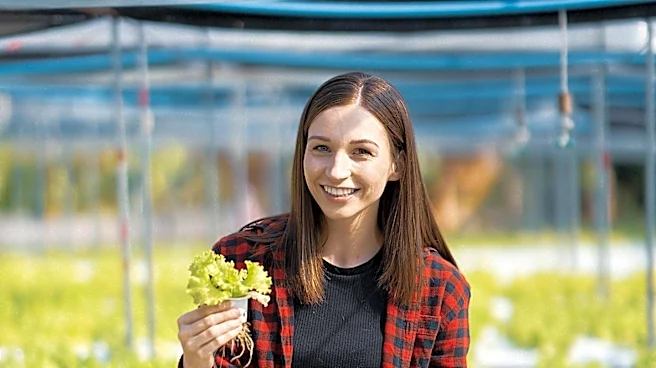
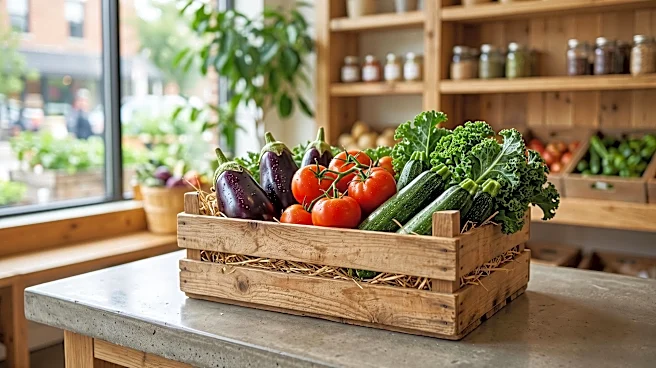
a Marine Corps veteran and board member, highlighted the initiative's role in fostering hope within these communities. The nonprofit collaborates closely with residents, ensuring that projects align with community needs and visions. Curtis Ritz, executive director of The 6th Branch, explained their approach of listening to community input for approximately the first year before implementing changes. In areas like Johnston Square, where demolished homes once stood, these efforts have created vibrant spaces where residents can access fresh produce. Grace Champion, community farming director, oversees three urban farms that collectively distribute thousands of pounds of free produce annually to about 100 families each week in food deserts. The farms cultivate a variety of produce, including kales, collards, Swiss chard, root vegetables, tomatoes, and eggplant, adapting to the local climate.
Why It's Important?
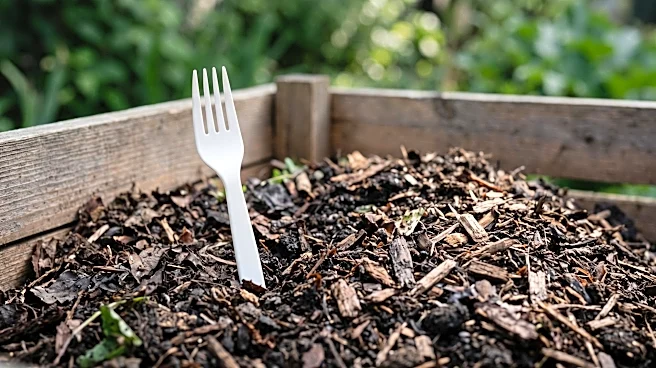
This initiative is crucial for addressing food insecurity and revitalizing urban environments in Baltimore. By transforming vacant lots into productive urban farms, The 6th Branch provides direct access to fresh, healthy food for communities that often reside in food deserts, where nutritious options are scarce. This not only improves public health outcomes by offering fresh produce but also fosters community engagement and empowerment. The creation of green spaces enhances the aesthetic and environmental quality of neighborhoods, contributing to a sense of pride and well-being among residents. Furthermore, the involvement of military veterans in leading these efforts provides a unique model for community service and leadership, demonstrating how former service members can continue to contribute significantly to civilian life. The project also offers educational opportunities and promotes sustainable practices, such as composting and local food production, which can have long-term positive impacts on the local economy and environment.
What's Next?
The 6th Branch plans to continue its expansion, transforming more vacant lots across Baltimore into urban farms and green spaces. The nonprofit aims to deepen its community engagement, ensuring that new projects are developed in direct response to local needs and desires. They will likely seek further funding and volunteer support to sustain and grow their operations, including the distribution of free produce and the development of additional programs. The organization also sells compost and honey, and offers programs in food access, canopy development, and workforce development, indicating a potential for expanding these revenue streams and community services. The success of existing projects, such as the Henrietta Lacks Educational Park, suggests that the model is effective and can be replicated, potentially inspiring similar initiatives in other U.S. cities facing similar challenges of urban blight and food deserts. Continued collaboration with local residents will be key to the long-term sustainability and impact of these urban farming efforts.
Beyond the Headlines
Beyond the immediate benefits of fresh food and green spaces, The 6th Branch's work addresses deeper societal issues, including environmental justice and community resilience. Vacant lots often become sites for illegal dumping and neglect, disproportionately affecting low-income communities and communities of color. By transforming these spaces, the nonprofit is actively combating environmental injustice and creating healthier, more equitable living environments. The initiative also fosters a sense of community ownership and collective action, empowering residents to take an active role in shaping their neighborhoods. This model of community-led development, particularly with the involvement of veterans, highlights the potential for grassroots efforts to drive significant social change. The psychological benefits of interacting with green spaces and having access to fresh, locally grown food can also contribute to improved mental health and overall well-being, creating a more connected and resilient urban fabric. The project serves as a powerful example of how localized, community-driven solutions can tackle complex urban challenges.