


What's Happening?
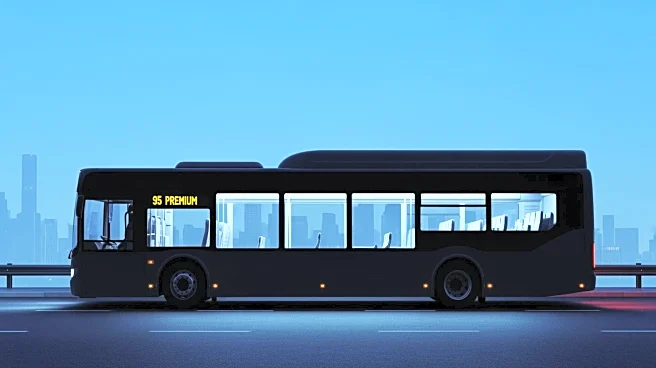
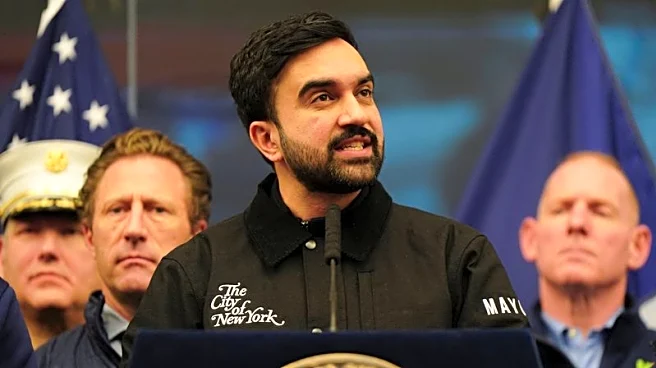
New York City Mayor Zohran Mamdani has proposed a fare-free bus service as part of his administration's efforts to improve transit affordability and address long-standing issues within the city's bus system. The initiative aims to reduce conflicts between
riders and bus operators, enhance safety, and provide immediate relief to those who rely heavily on bus transportation, such as students, seniors, and caregivers. The proposal has sparked debate, with supporters highlighting the potential benefits of increased ridership and reduced boarding times, while critics express concerns over funding gaps and the equitable distribution of resources. The Metropolitan Transportation Authority (MTA) has previously conducted a fare-free pilot program, which showed increased ridership but also revealed significant budgetary implications.
Why It's Important?
The proposal for fare-free buses in New York City is significant as it represents a shift towards treating transit services as universal public goods, rather than services supported by user fees. This approach aligns with democratic socialist principles, advocating for broader accessibility financed through higher taxes on corporations and top earners. If implemented, the initiative could alleviate financial burdens for low-income residents and potentially improve transit efficiency. However, it also poses challenges, such as the need for stable funding sources and coordination between city and state agencies. The debate over this proposal reflects broader discussions on public policy and economic redistribution, highlighting the tension between market pricing and government intervention.
What's Next?
The future of the fare-free bus proposal depends on securing stable funding and addressing operational constraints. The MTA would need to restructure existing financing, as bus fare revenue currently backs long-term bonds. Political will and cooperation between the city and state agencies are crucial for the proposal's success. Mayor Mamdani's administration must navigate fiscal and logistical hurdles, including staffing shortages and aging equipment, to make the initiative viable. The proposal's progress will likely influence discussions on public transit policies and the role of government in providing essential services.
Beyond the Headlines
The fare-free bus proposal in New York City could have broader implications for public transit systems across the United States. It challenges traditional funding models and raises questions about the sustainability of public subsidies. The initiative may also influence public perceptions of government roles in everyday economic life, potentially normalizing the idea of universal access to essential services. As cities grapple with issues of inequality and accessibility, the proposal could serve as a case study for other regions considering similar approaches to transit affordability and public policy.