
What's Happening?
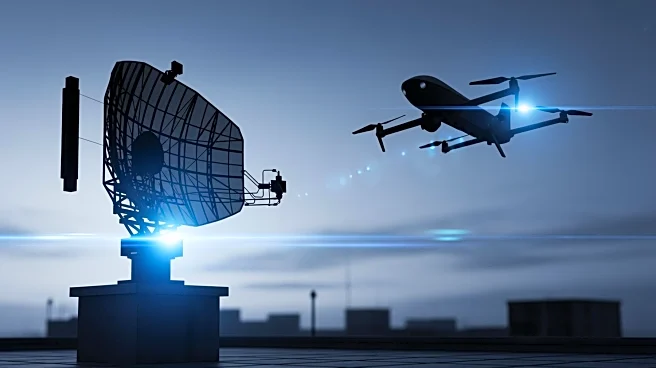
Ukraine has developed a highly effective and cost-efficient system to counter Iranian drones, achieving a 90% success rate against the Shahed-136 drones used by Russia. Ukrainian President Volodymyr Zelensky highlighted the country's innovative use of
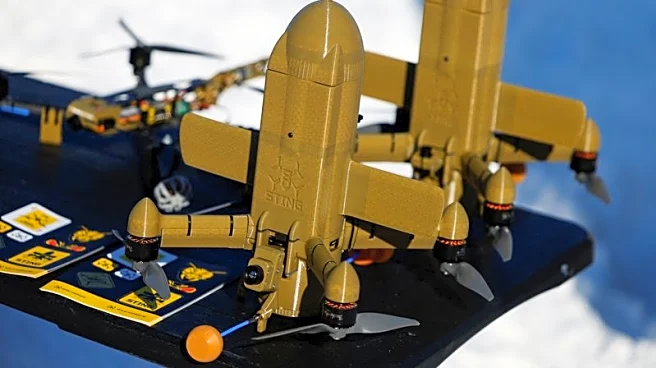
lasers and AI-enabled interceptor drones, which cost as little as $1,000. Despite this expertise, the U.S. did not initially seek Ukraine's assistance before launching its offensive against Iran. However, following recent Iranian drone attacks on U.S. and allied bases in the Middle East, Ukraine has agreed to provide personnel and equipment to help defend against these threats. This move marks a significant shift in military innovation, traditionally led by the U.S., as Ukraine's battlefield-tested technologies are now being sought after by Middle Eastern countries.
Why It's Important?
The deployment of Ukrainian anti-drone technology to assist U.S. allies in the Middle East underscores a critical gap in American military planning. The U.S. has been using expensive interceptors to counter relatively cheap Iranian drones, leading to a rapid depletion of resources. Ukraine's cost-effective solutions could significantly reduce the financial burden on the U.S. military and its allies. This situation highlights the need for the U.S. to adapt its defense strategies to include more affordable and efficient technologies, especially as drone warfare becomes increasingly prevalent. The collaboration with Ukraine could also strengthen diplomatic ties and enhance collective security efforts against common threats.
What's Next?
Ukraine's involvement in the Middle East could lead to further partnerships and the proliferation of its drone defense technologies. As Ukrainian experts deploy to assist U.S. allies, there may be increased interest in joint production and development of these systems. The U.S. may also reconsider its current defense strategies and investments, potentially leading to a shift towards more cost-effective solutions. Additionally, the ongoing conflict with Iran could prompt further military and diplomatic actions, as stakeholders seek to mitigate the threat posed by Iranian drones.
Beyond the Headlines
The reliance on Ukrainian technology highlights a broader trend of smaller nations contributing significantly to global security challenges. This development could encourage other countries to invest in innovative defense solutions, potentially leading to a more diversified and resilient global defense landscape. Furthermore, the situation raises questions about the future of military alliances and the role of emerging technologies in shaping geopolitical dynamics.