







What's Happening?
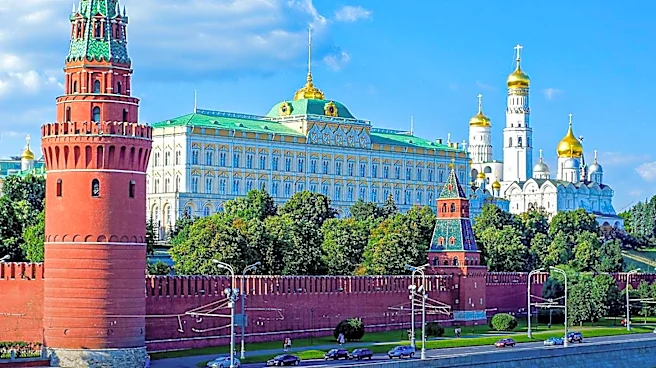
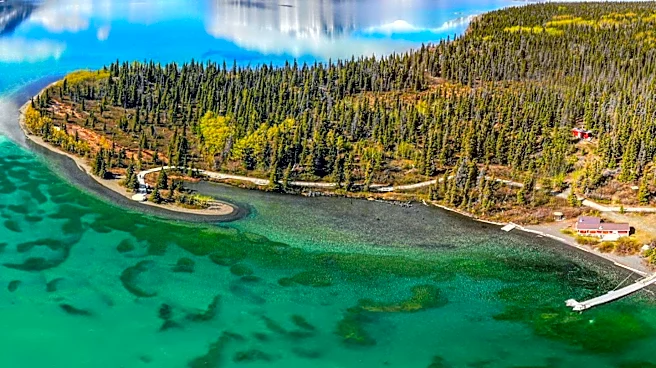
The United States holds the third position worldwide in terms of the number of lakes, with 102,519 lakes, according to data based on HydroLAKES. This places the U.S. behind Canada, which leads with 879,763 lakes, and Russia, with 201,240 lakes. These
figures include lakes covering at least 0.04 square miles (0.1 sq. km), excluding reservoirs and regulated lakes. The concentration of lakes in these northern countries is largely attributed to the geological impact of successive ice ages, which reshaped landscapes and created conditions conducive to lake formation. Together, Canada, Russia, and the U.S. account for over 83% of the 1.42 million lakes included in the dataset. While the U.S. has a significant number of lakes, the total lake area can differ from the lake count; for instance, Russia's total lake area includes the Caspian Sea, the world's largest lake by surface area.
Why It's Important?
The significant number of lakes in the U.S. highlights its rich natural resources and diverse ecosystems, which are crucial for environmental health, biodiversity, and various economic activities. These freshwater bodies support industries such as fishing, tourism, and recreation, contributing to local and national economies. They also play a vital role in water supply, climate regulation, and habitat provision for numerous species. Understanding the distribution and characteristics of these lakes is essential for effective environmental management, conservation efforts, and sustainable resource utilization. The geological history that led to this abundance of lakes also underscores the long-term impact of natural processes on the country's geography and ecological makeup, influencing regional development and human settlement patterns.
What's Next?
Continued monitoring and research into the health and sustainability of these lake ecosystems will be crucial. As environmental pressures such as climate change, pollution, and urban development persist, efforts to protect and manage these freshwater resources will likely intensify. This could involve implementing stricter environmental regulations, investing in water quality improvement projects, and promoting sustainable land use practices in areas surrounding lakes. Furthermore, the data on lake distribution could inform future policy decisions related to water resource allocation, conservation initiatives, and the development of recreational infrastructure. Public awareness campaigns about the importance of freshwater ecosystems may also be launched to encourage responsible stewardship.
Beyond the Headlines
The sheer volume of lakes in the U.S., alongside Canada and Russia, points to a broader global pattern of glacial influence on northern hemisphere landscapes. This geological legacy has shaped not only the physical environment but also cultural practices, indigenous histories, and regional identities in these areas. The presence of numerous lakes often correlates with unique ecological niches, fostering distinct flora and fauna that are integral to regional biodiversity. Moreover, these natural features can hold significant spiritual and cultural value for various communities, influencing art, literature, and traditional practices. The ongoing challenge lies in balancing human development and resource needs with the imperative to preserve these invaluable natural assets for future generations.