








What's Happening?
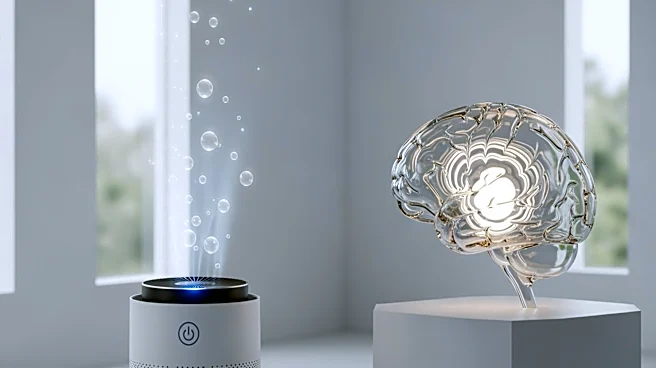
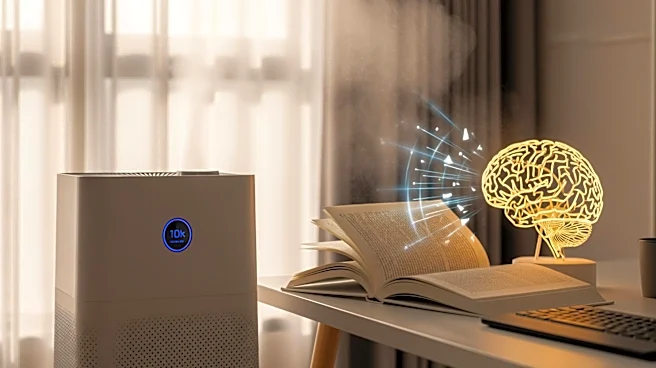
A recent study published in Scientific Reports indicates that using HEPA air purifiers can improve cognitive function in adults aged 40 and older. Conducted in Somerville, Massachusetts, the study involved 119 participants who were exposed to both real
and sham air purifiers over a two-month period. The results showed a 12% improvement in mental flexibility and executive function among participants using the HEPA purifiers. This improvement is comparable to cognitive benefits gained from increased physical exercise. The study highlights the potential of air purifiers to mitigate the negative effects of air pollution on brain health, particularly for those living near major highways where pollution levels are higher.
Why It's Important?
The findings underscore the importance of addressing air pollution as a public health issue, particularly its impact on cognitive health. With air pollution linked to various neurological diseases, the use of air purifiers could offer a practical solution to reduce exposure to harmful particulates. This is especially relevant for communities living near high-traffic areas, who are disproportionately affected by pollution. The study's implications extend to public health policy, suggesting that promoting the use of air purifiers could be a cost-effective strategy to enhance cognitive health and prevent decline, particularly in older adults.
What's Next?
Further research is needed to explore the long-term effects of air purifier use on cognitive function and to identify the mechanisms by which air quality improvements translate to cognitive benefits. Future studies could investigate the impact of prolonged air purifier use and its potential to reverse cognitive decline. Additionally, examining the role of air purifiers in protecting brain white matter could provide deeper insights into their benefits. Policymakers and public health officials may consider these findings when developing strategies to improve air quality and public health outcomes.