






What's Happening?
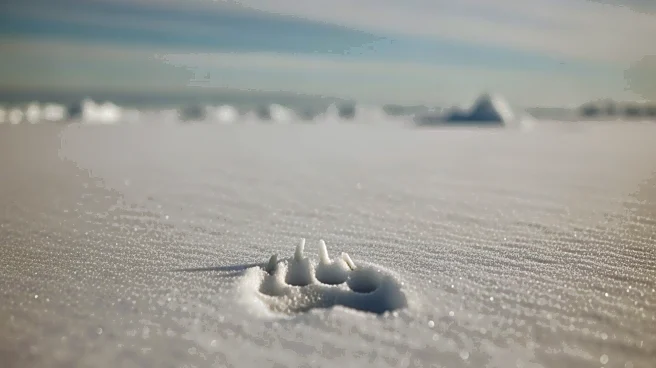
In Kaktovik, a small Alaska Native village, efforts are underway to revive the polar bear tourism industry, which was halted due to safety concerns and the COVID-19 pandemic. The village, located in the Arctic National Wildlife Refuge, once attracted
over 1,000 tourists annually to observe polar bears. However, the influx of visitors led to safety issues, with bears becoming accustomed to human presence, posing a threat to the community. The federal government halted boat tours in 2021 to address these concerns. Kaktovik leaders are now working with the U.S. Fish and Wildlife Service to establish guidelines that protect both the community and the bears, aiming to restart the industry by 2027.
Why It's Important?
Reviving polar bear tourism in Kaktovik is significant for the local economy, potentially providing millions in revenue and additional income sources for residents. The industry also offers educational opportunities for visitors to learn about Arctic wildlife and Indigenous cultures. However, balancing tourism with community safety and environmental protection is crucial. The previous tourism boom led to increased bear-human interactions, resulting in safety risks and the need for stricter regulations. Successfully managing these challenges could serve as a model for sustainable tourism in other sensitive regions.
What's Next?
Kaktovik leaders are in discussions with federal agencies to implement new regulations for polar bear tourism. These may include limits on boat tour durations and stricter visitor guidelines to prevent bears from becoming habituated to humans. The community is also considering marketing itself as a multi-day experience to enhance visitor understanding of local culture and wildlife. If successful, these efforts could see the return of tourism by 2027, with a focus on safety and sustainability.