








What's Happening?
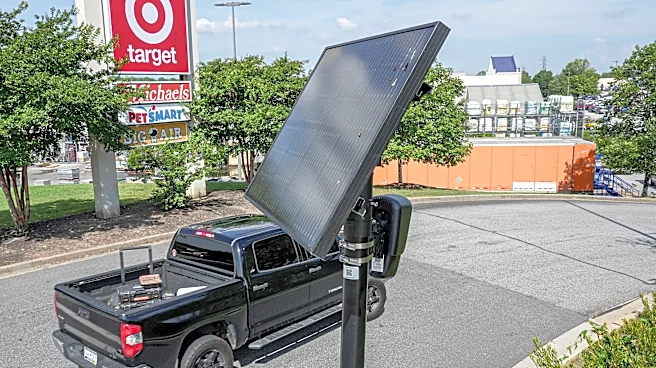
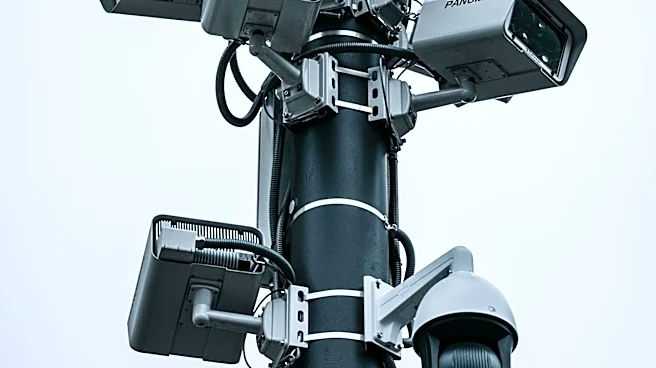
Florida Governor Ron DeSantis has ordered local police to remove automated license plate readers (ALPRs) from state roads, signaling a pushback against what he terms an 'expanding digital AI surveillance state.' The Florida Department of Transportation
(FDOT) issued a memo revoking existing permits for ALPRs within state highway rights-of-way, giving law enforcement agencies 30 days to remove the devices. Governor DeSantis expressed concerns about the data collected by these cameras, questioning where it goes and how it is used, stating, 'It's really none of the government's damn business' what citizens are doing in their cars. This directive comes amidst reports of misuse, data privacy concerns, and surveillance schemes associated with ALPRs, which record vehicle sightings and feed searchable databases.
Why It's Important?
This action by Governor DeSantis marks a significant stance on privacy rights and government surveillance, potentially influencing similar policies in other states. The removal of ALPRs could impact law enforcement's ability to track vehicles and solve crimes, as these devices have been cited by some as useful tools for public safety. However, it prioritizes individual privacy and aims to prevent the creation of a 'digital prison' where citizens' movements are constantly monitored. The move also deals a blow to private surveillance vendors like Flock Safety, which has rapidly expanded its business with law enforcement agencies nationwide. The debate highlights the tension between public safety measures and civil liberties, with implications for how technology is deployed and regulated in public spaces across the U.S.
What's Next?
Law enforcement agencies in Florida now have 30 days to comply with the FDOT's directive and remove existing ALPRs from state highway rights-of-way. This will necessitate a re-evaluation of surveillance strategies and potentially lead to the adoption of alternative methods for crime prevention and investigation. Governor DeSantis has also called for legislation to protect Floridians from misuse of such data, suggesting further legislative action on privacy and surveillance. This move by Florida could inspire other states to review their own policies regarding ALPRs and other surveillance technologies, potentially leading to a broader national discussion on the balance between security and privacy in the digital age. Private surveillance companies may face increased scrutiny and potential restrictions on their operations in various jurisdictions.
Beyond the Headlines
Governor DeSantis's decision to remove ALPRs from Florida highways delves into deeper societal implications concerning the erosion of privacy in an increasingly technologically advanced world. The concept of a 'digital AI surveillance state' raises ethical questions about the extent to which government and private entities should be allowed to collect and utilize personal data. The reported misuse of ALPR data, such as an officer tracking an ex-girlfriend, underscores the potential for abuse and the need for robust oversight and accountability mechanisms. This situation also highlights the commercialization of surveillance, where companies profit from selling data and technology that can be used to monitor citizens. The broader implication is a re-examination of the social contract in the digital age, where citizens expect both security and the right to move freely without constant governmental or corporate observation.