
What's Happening?
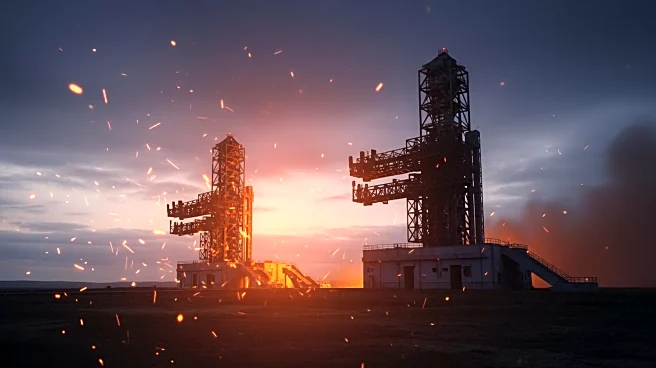
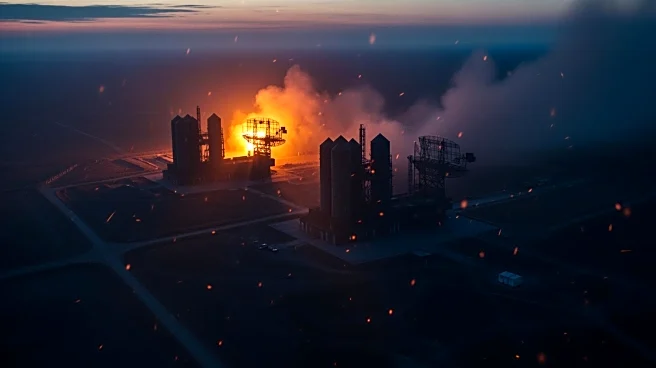
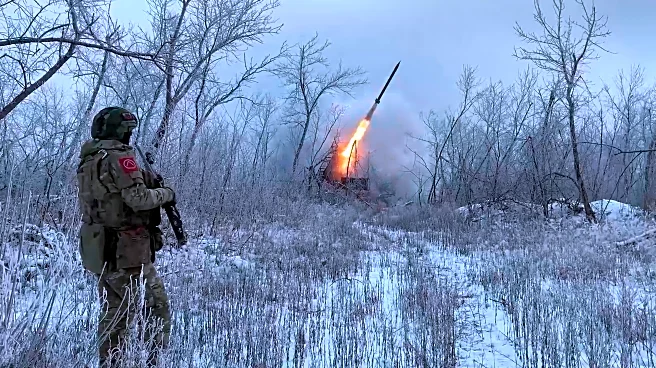
Preliminary reports suggest that Russian forces may have launched an Oreshnik intermediate-range ballistic missile strike against Lviv Oblast on January 8, 2026. Ukrainian officials have not confirmed
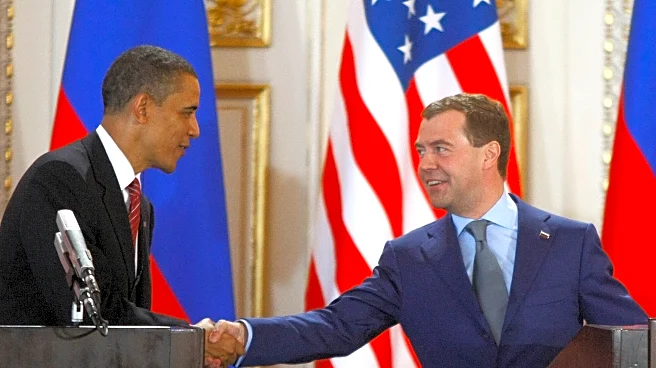
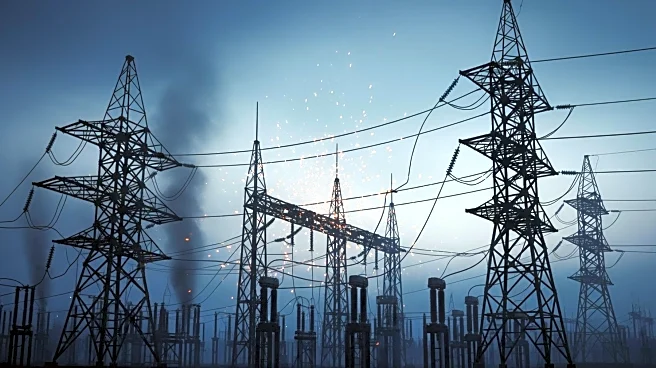
these reports, but the Ukrainian Air Force issued a missile alert due to the threat of a launch from Kapustin Yar, a known missile site in Russia. Explosions were reported in Lviv Oblast, and local officials noted strikes on critical infrastructure. This follows a pattern of Russian military actions aimed at Ukrainian infrastructure, with previous Oreshnik strikes recorded in 2024. The Kremlin has rejected security guarantees for Ukraine being discussed by the U.S. and Europe, labeling Western military deployments as threats to Russian security.
Why It's Important?
The potential missile strike underscores the ongoing volatility in the region and the persistent threat to Ukrainian infrastructure. Such actions could further strain international relations and complicate peace negotiations. The Kremlin's rejection of security guarantees and its stance on Western military involvement highlight the geopolitical tensions that could impact global security dynamics. The situation also affects energy security, as infrastructure damage can disrupt supply chains, impacting both local and international markets. The U.S. and European responses to these developments will be crucial in shaping future diplomatic and military strategies.
What's Next?
If confirmed, the missile strike could lead to increased military and diplomatic responses from Ukraine and its allies. The U.S. and European nations may consider additional sanctions or military support for Ukraine. The ongoing discussions about security guarantees and peace agreements will likely be influenced by these developments, potentially delaying or altering their outcomes. Monitoring the Kremlin's military strategies and diplomatic communications will be essential to anticipate further actions and responses.
Beyond the Headlines
The use of advanced missile systems like the Oreshnik raises concerns about the escalation of military technology in the conflict. This could lead to an arms race in the region, with potential implications for global arms control efforts. The situation also highlights the challenges of verifying military actions in conflict zones, where misinformation can complicate international responses. The humanitarian impact on civilians in affected areas remains a critical concern, with potential long-term effects on regional stability and security.