






What's Happening?
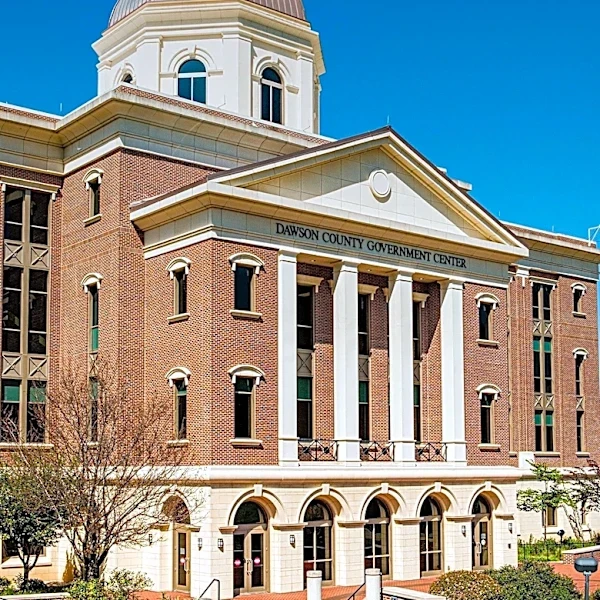
A replica of Lt. Col. William Barret Travis' 1836 'Victory or Death' letter has been dedicated on the front lawn of the DeWitt County Courthouse in Cuero, Texas. The ceremony, held on Sunday, October 4, was organized by the DeWitt County Historical Commission
and the Alamo Letter Society. The replica is mounted on a granite monument, sponsored by the Alamo Letter Society, with the aim of raising awareness about the sacrifices made for freedom and liberty. The society's broader goal is to install a Travis letter plaque at all 254 county courthouses across Texas. Bill and Fain McDougal donated the monument to the residents of DeWitt County. The event included descendants of Alamo defenders, veterans, and schoolchildren from Yorktown Junior High and Cuero, highlighting the historical significance of the letter and the Alamo siege.
Why It's Important?
The dedication of the Travis letter replica is important as it serves to preserve and promote Texas history and the foundational narratives of the state's independence. By placing such monuments in public spaces like county courthouses, it ensures that historical events and figures remain accessible and visible to current and future generations. This initiative fosters a deeper understanding of the sacrifices made during the Texas Revolution and reinforces civic values related to freedom and liberty. The involvement of descendants of Alamo defenders and local schoolchildren also helps to personalize history, making it more relatable and impactful for the community. This effort contributes to a collective memory, emphasizing the bravery and determination of those who fought at the Alamo, and serves as a reminder of the state's heritage.
What's Next?
The Alamo Letter Society plans to continue its mission of placing a replica of Travis' 'Victory or Death' letter at every county courthouse in Texas. This ongoing initiative suggests that similar dedication ceremonies will occur in other counties across the state. Local historical commissions and community groups are likely to collaborate with the society to facilitate these installations, ensuring widespread recognition of this historical document. Future events may continue to involve descendants of historical figures, veterans, and educational institutions to engage communities and educate the public about Texas history. The success of the DeWitt County dedication could serve as a model for other counties, encouraging broader participation and support for the project.
Beyond the Headlines
Beyond the immediate historical commemoration, the placement of the Travis letter replica touches upon broader themes of historical memory, public education, and regional identity. Such monuments serve as tangible links to the past, prompting reflection on the values and struggles that shaped the state. The initiative also highlights the role of local historical societies and private donors in preserving cultural heritage, often filling gaps where public funding might be limited. Ethically, these installations contribute to a collective narrative, which can be a source of pride and identity for Texans. Legally, the placement of historical markers on public property often involves local government approvals, underscoring the intersection of history and civic administration. Culturally, these efforts reinforce a shared understanding of Texan identity and its historical roots.