



What's Happening?
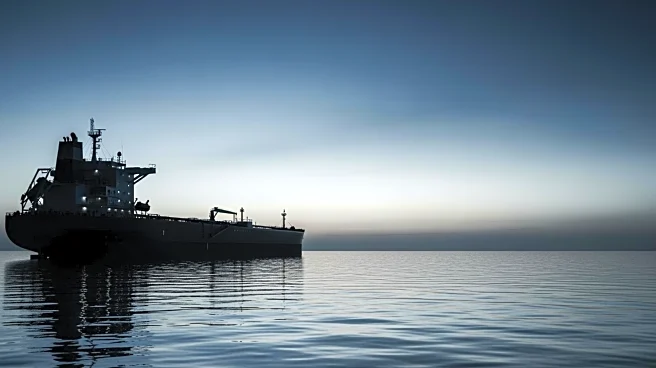
The United States has seized an oil tanker, known as The Skipper, which was involved in transporting Venezuelan oil. This action is part of a broader U.S. strategy to intercept ships carrying oil from Venezuela, a country under U.S. sanctions since 2019.
The seizure marks the first interdiction of a Venezuelan oil cargo or tanker. The U.S. is increasing pressure on Venezuelan President Nicolas Maduro by targeting vessels that transport oil from countries under U.S. sanctions, such as Iran. The U.S. Justice Department and Homeland Security have been planning these seizures for months, aiming to prevent the proceeds from black market oil sales from funding narcoterrorism.
Why It's Important?
This development is significant as it underscores the U.S. government's commitment to enforcing sanctions against Venezuela and other countries. By targeting the transportation of sanctioned oil, the U.S. aims to cut off a major revenue source for the Maduro government, which relies heavily on oil exports. This action could further strain Venezuela's economy and increase tensions between the U.S. and Venezuela. Additionally, it sends a strong message to shipowners and operators about the risks of engaging in the transport of sanctioned oil, potentially leading to a reduction in such activities.
What's Next?
The U.S. is expected to continue its efforts to seize more tankers involved in the transport of sanctioned oil. The government has assembled a target list of additional vessels for possible seizure. The timing of future seizures will depend on logistical arrangements for receiving and unloading the seized oil cargoes at U.S. ports. The U.S. military is also monitoring tankers at sea and in Venezuelan ports, ready to take action as these vessels enter international waters. This ongoing strategy could lead to further diplomatic tensions and economic challenges for Venezuela.
Beyond the Headlines
The seizure of The Skipper highlights the complex legal and ethical issues surrounding international sanctions enforcement. While the U.S. views these actions as necessary to curb narcoterrorism, critics argue that such seizures could be seen as extrajudicial and potentially illegal under international law. The situation also raises questions about the impact on global oil markets and the potential for increased geopolitical instability in the region.