




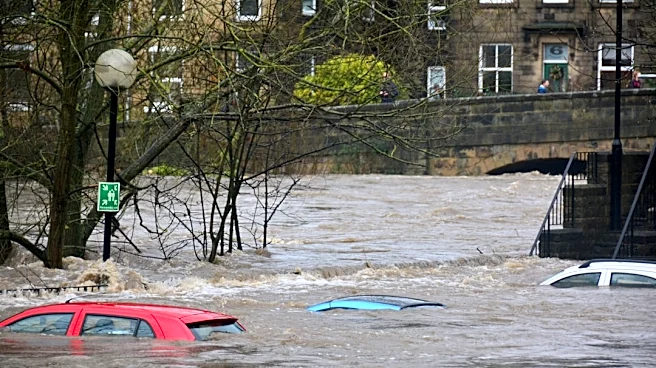
What's Happening?
California has been significantly impacted by a series of atmospheric rivers, leading to severe flooding, mudslides, and substantial financial damages. In late-January, an atmospheric river brought over 7 inches of rain to southern and central California,
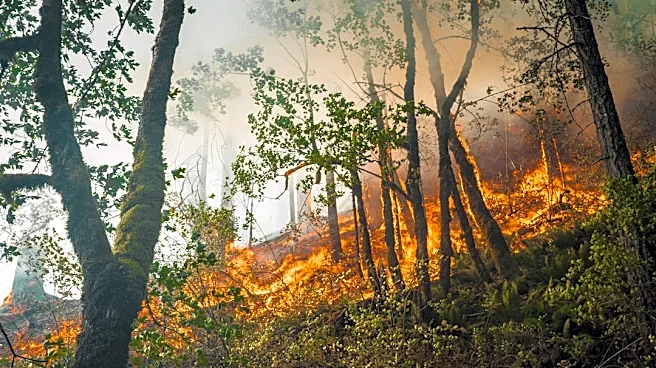
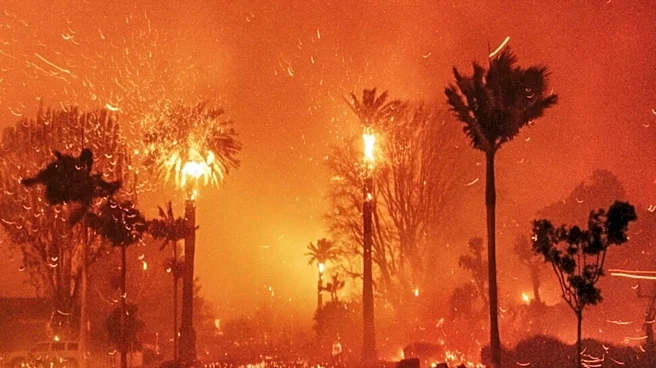
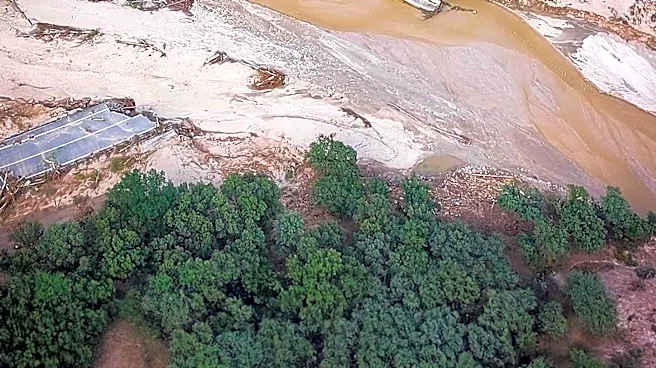
with some areas receiving more than 15 inches. This heavy rainfall caused widespread flooding and mudslides, particularly in regions previously affected by wildfires in late-2020. The resulting damage included dozens of slides and debris flows that harmed homes, vehicles, businesses, and infrastructure. Highway 1 south of Big Sur was washed out, and the Sierra Nevada range received several feet of snow, closing major highways. High winds accompanying these events also led to extensive power outages. Another significant flooding event occurred in February 2017 due to persistent rainfall across northern and central California, causing property and infrastructure damage from flooding, landslides, and erosion. This included severe damage to the Oroville Dam spillway, necessitating the evacuation of 188,000 residents, and flood damage in San Jose when Coyote Creek overflowed, forcing 14,000 evacuations. More recently, between late-December and March 2023, numerous atmospheric rivers caused severe flooding and record snowfall, significantly reducing drought deficits but impacting many homes, businesses, levees, and agriculture, especially across central California, with damages estimated at $4.7 billion.
Why It's Important?
The recurring and severe weather events in California, particularly floods and mudslides, highlight the significant economic and societal vulnerabilities of the state to climate-related disasters. The billions of dollars in damages, as seen in the $4.7 billion from the 2023 floods and the $1.3 billion from the January 2021 event, represent a substantial burden on state and federal resources, diverting funds that could be used for other public services or economic development. The destruction of critical infrastructure like Highway 1 and the Oroville Dam spillway disrupts transportation, commerce, and daily life for thousands of residents, leading to long-term recovery challenges. The forced evacuations of hundreds of thousands of people underscore the immediate threat to public safety and the social disruption caused by these events. Furthermore, the interaction between wildfires and subsequent heavy rainfall exacerbates the risk of mudslides, creating a compounding disaster scenario that increases the complexity and cost of mitigation and recovery efforts. These events also put immense pressure on insurance markets and local governments, potentially leading to increased premiums, reduced coverage availability, and strained municipal budgets, ultimately affecting property values and economic stability in affected regions.
What's Next?
Given the historical pattern of severe weather, California is likely to continue experiencing significant flooding and related damages. The state will need to focus on enhancing its infrastructure resilience to withstand extreme weather events, including upgrading dams, improving drainage systems, and reinforcing transportation networks. There will likely be ongoing efforts to develop and implement more effective early warning systems and evacuation protocols to protect residents. Furthermore, the financial implications will necessitate continued federal aid and state-level funding for disaster relief and reconstruction. Policymakers may also explore new strategies for land use and development in high-risk areas, potentially leading to stricter building codes or restrictions on construction in floodplains and burn scar zones. The scientific community will likely continue to study the links between climate change and the intensity of atmospheric rivers to better predict and prepare for future events, informing long-term climate adaptation strategies for the state.
Beyond the Headlines
The persistent and costly flooding in California points to deeper implications regarding climate change adaptation and environmental management. The interplay between wildfires and subsequent flooding highlights a critical feedback loop where one disaster exacerbates the next, challenging traditional disaster response frameworks. This necessitates a more integrated approach to environmental policy, considering how forest management, urban planning, and water infrastructure are interconnected. Ethically, these events raise questions about equitable resource allocation for disaster preparedness and recovery, particularly for vulnerable communities disproportionately affected by such disasters. The long-term shifts could include a re-evaluation of population distribution and economic activities in high-risk coastal and mountainous regions. Culturally, there may be a growing public demand for more aggressive climate action and investment in resilient infrastructure, potentially influencing political discourse and policy priorities at both state and national levels. The economic impact extends beyond immediate repair costs, affecting tourism, agriculture, and the overall quality of life in affected areas, prompting a re-assessment of sustainable development practices.