


What's Happening?
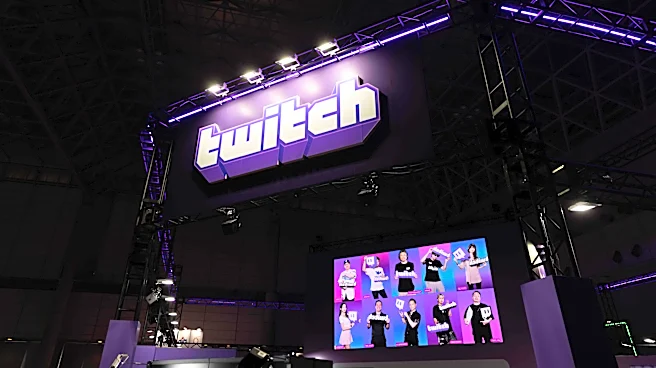
OpenAI's presence at TwitchCon 2026 in San Diego, held from November 13-15, has drawn significant criticism from streamers. The company attended to promote Codex, its AI-powered coding tool, through a hackathon offering $25,000 in prizes. However, attendees
described OpenAI's booth as 'tone deaf,' 'bland and boring,' and 'stupid.' A major point of contention stems from a policy introduced by Amazon in August 2026, which allowed creators' videos to be used for training AI models by default, requiring streamers to actively opt out if they wished to prevent their content from being used. Streamers argue that participation should be based on explicit consent rather than an opt-out system. This controversy highlights growing tensions within creative industries regarding the role of artificial intelligence and content usage.
Why It's Important?
This backlash at TwitchCon underscores a broader conflict between AI developers and content creators over intellectual property rights and compensation. The default opt-out policy implemented by Amazon for AI training raises significant questions about consent and ownership in the digital age. For streamers, their content is their livelihood, and the idea of it being used to train AI models without explicit permission or compensation is a major concern. This situation could set precedents for how AI companies interact with content platforms and creators, potentially influencing future regulations on data usage and intellectual property. The criticism also reflects a growing sentiment among creators that AI tools, while offering potential benefits like automatic captioning, should not replace human creativity or exploit creator content without fair agreements.
What's Next?
The ongoing litigation against Twitch and Amazon, filed by a streamer in August 2026 over unauthorized content use for AI training, indicates that legal battles surrounding these issues are likely to continue. Twitch Chief Product Officer Mike Minton acknowledged the opt-out option as a 'trade-off,' suggesting that platforms are navigating complex legal and ethical landscapes. Future developments may include increased pressure from creator communities for opt-in consent models, potential legislative action to protect creator rights in the context of AI training, and further lawsuits challenging current data usage policies. AI companies may also need to re-evaluate their engagement strategies with creative communities to foster trust and collaboration rather than resentment.
Beyond the Headlines
The controversy at TwitchCon reflects a fundamental ethical debate about the value of human-generated content in the age of artificial intelligence. The 'opt-out' mechanism, while technically offering a choice, places the burden on creators to protect their work, rather than requiring AI developers to seek explicit permission. This dynamic raises questions about power imbalances between large tech companies and individual creators. Long-term implications could include a shift in how intellectual property is defined and protected in digital spaces, potentially leading to new models of compensation or licensing for content used in AI training. The incident also highlights the cultural tension between technological advancement and the preservation of human artistry and originality.