








What's Happening?
Washington Attorney General Bob Ferguson is being briefed on the situation surrounding an individual's death due to complications from avian influenza. His team is actively coordinating with public health and agriculture officials to manage the situation.
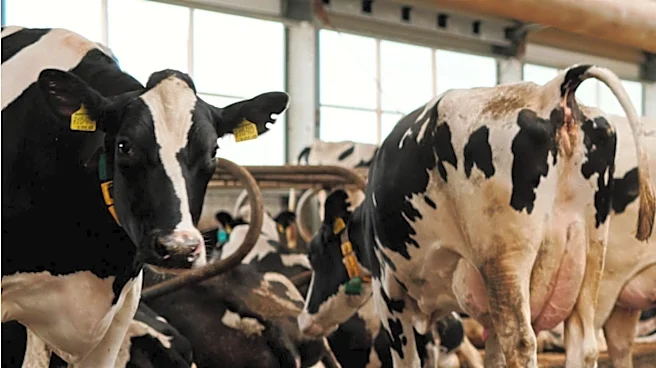
Workers on affected farms have been advised to implement safety precautions to mitigate risks. Despite this tragic development, authorities maintain that the risk to the general public remains low. The Attorney General expressed his deepest sympathies to the family of the deceased. This incident highlights ongoing concerns about public health and agricultural safety in the state, prompting a coordinated response from various governmental departments to ensure containment and public awareness. The focus is on monitoring the situation closely and providing necessary guidance to those potentially exposed.
Why It's Important?
This event is significant as it marks a serious public health incident involving avian influenza in Washington State, underscoring the potential for zoonotic diseases to impact human populations. While authorities state the risk to the general public is low, any human fatality from avian influenza raises concerns about viral transmission and public health preparedness. For the agricultural sector, particularly poultry and livestock farming, this incident could lead to heightened biosecurity measures, increased surveillance, and potential economic impacts if outbreaks occur on farms. Public health agencies will likely intensify their monitoring efforts and public awareness campaigns regarding preventative measures. The coordination between health and agriculture officials is crucial to prevent wider spread and protect both human and animal health, demonstrating the interconnectedness of these sectors in managing such crises.
What's Next?
In the immediate future, state officials, including Attorney General Ferguson's team, will continue to monitor the avian influenza situation closely, focusing on affected farms and any potential new cases. Public health authorities are expected to maintain enhanced surveillance for human infections and provide updated guidance to farm workers and the public on safety protocols. Agricultural departments will likely reinforce biosecurity measures on farms to prevent further outbreaks among poultry and livestock. There may be ongoing investigations into the source of the infection and the specific circumstances leading to the human fatality. Public communication efforts will likely continue to reassure the public about the low risk while emphasizing necessary precautions, ensuring transparency and informed public response to the evolving situation.
Beyond the Headlines
Beyond the immediate public health response, this incident could prompt a broader re-evaluation of zoonotic disease surveillance and prevention strategies in Washington State and potentially nationwide. It highlights the continuous threat posed by animal-borne diseases and the need for robust inter-agency collaboration between public health, agriculture, and environmental sectors. The event may also spark discussions about worker safety in agricultural settings, particularly for those in close contact with potentially infected animals, leading to calls for enhanced protective measures and training. Furthermore, it underscores the importance of rapid diagnostic capabilities and effective communication channels during health crises to prevent misinformation and ensure public trust. This fatality serves as a stark reminder of the delicate balance between human activity, animal health, and environmental factors.