







What's Happening?
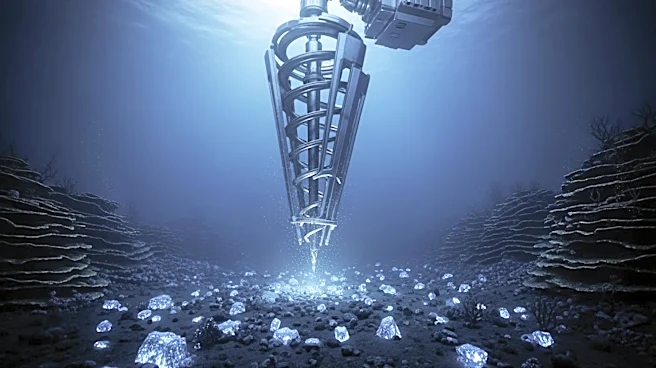
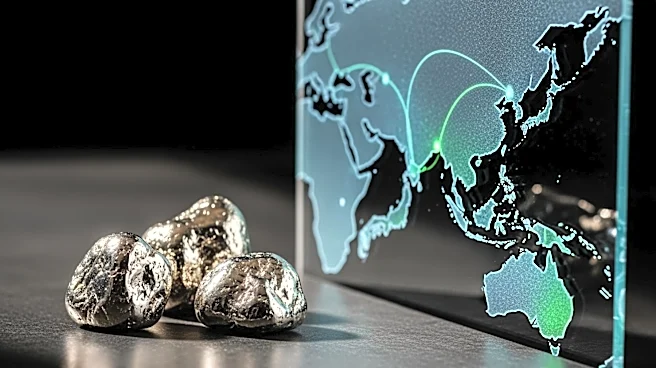
A comprehensive review of 50 years of data has raised alarms about the potential catastrophic impact of deep sea mining on Pacific biodiversity. The study, published in Current Biology, highlights the risks posed by the extraction of polymetallic nodules,
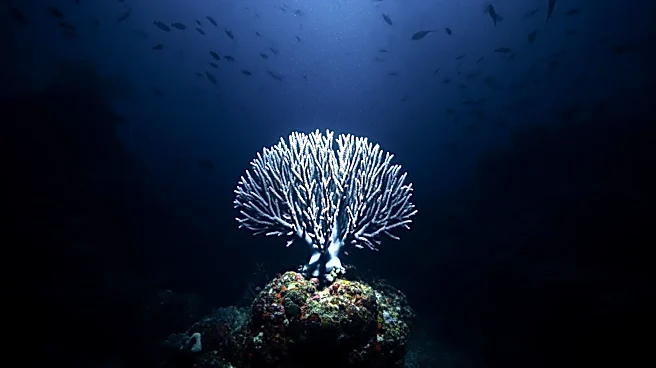
which are crucial for the green energy transition. However, scientists and Indigenous leaders argue that the environmental cost is too high. The deep sea, home to ancient life forms, could face irreversible damage from mining activities, which create noise and sediment clouds that disrupt stable ecosystems. The Pacific region is divided, with some nations pushing for mining to boost economic growth, while others call for a ban to protect marine life.
Why It's Important?
The potential environmental impact of deep sea mining is significant, as it threatens to destroy ecosystems that have remained stable for billions of years. The extraction of minerals from the ocean floor could lead to the extinction of undiscovered species and disrupt the balance of marine life. This issue is particularly relevant as the world seeks sustainable energy solutions, highlighting the need to balance economic development with environmental preservation. The debate over deep sea mining also underscores the importance of Indigenous voices in environmental decision-making, as they advocate for the protection of their cultural and natural heritage.
What's Next?
The International Seabed Authority is set to meet in Jamaica to discuss the future of deep sea mining. The outcome of these discussions could determine whether the Pacific region becomes a leader in resource extraction or in environmental conservation. The decision will have far-reaching implications for global biodiversity and the health of marine ecosystems. Stakeholders, including governments, environmental groups, and Indigenous communities, will continue to advocate for their positions, influencing the direction of international policy on deep sea mining.