


What's Happening?
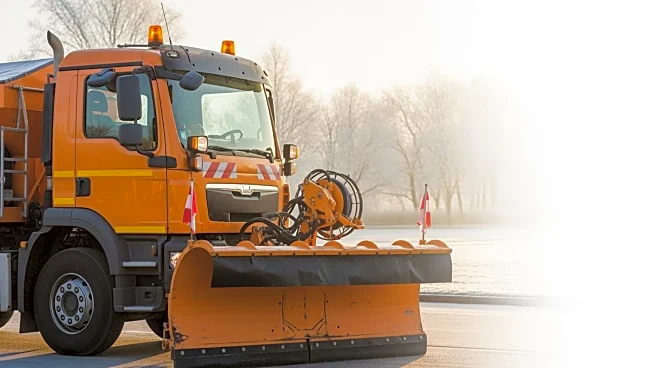
The Bournemouth, Christchurch and Poole (BCP) Council has engaged its community by inviting residents to suggest creative names for its fleet of 13 road gritters. The initiative resulted in over 1,000 submissions, with names such as 'Sir David Attenbrrr',
'Ice Ice Maybe', and 'Slip Not' being selected. These gritters are responsible for maintaining 780 miles of roads across the region, using approximately 4,000 tonnes of dry rock salt during the winter months. The council has also implemented cost-saving measures by using sign offcuts to create the vehicle names. This initiative not only adds a touch of humor to the winter season but also involves the community in local government activities.
Why It's Important?
This initiative by the BCP Council highlights the importance of community engagement in local governance. By involving residents in the naming process, the council fosters a sense of community ownership and pride. Additionally, the creative names bring a light-hearted element to the otherwise serious task of road maintenance during winter, potentially increasing public awareness and appreciation for the work done by the council. The use of recycled materials for the signs also reflects a commitment to sustainability and cost-efficiency, which are important considerations for public sector operations.
What's Next?
As the winter season progresses, the BCP Council will continue to monitor road conditions using weather stations to ensure the gritters are deployed effectively. The community's involvement in naming the gritters may lead to increased interest in other local government initiatives, encouraging further public participation. The council might also consider expanding this naming initiative to other public services, leveraging the positive community response to enhance engagement across different areas.
Beyond the Headlines
The naming of gritters with humorous titles can have broader cultural implications, as it reflects a trend of using humor and creativity to engage the public in civic matters. This approach can be seen as a way to humanize government operations, making them more relatable and accessible to the general public. It also highlights the potential for local governments to innovate in their communication strategies, using creative methods to capture public interest and foster a stronger connection with the community.