





What's Happening?
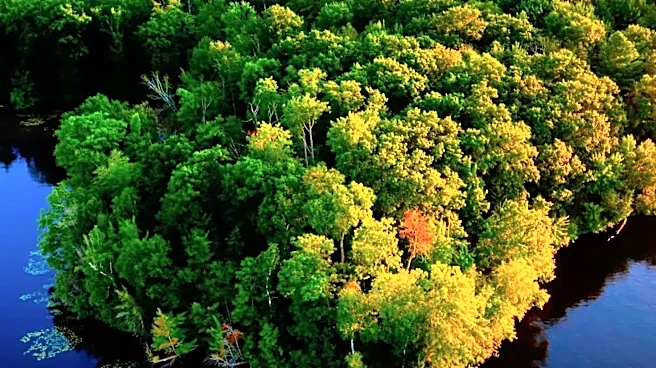
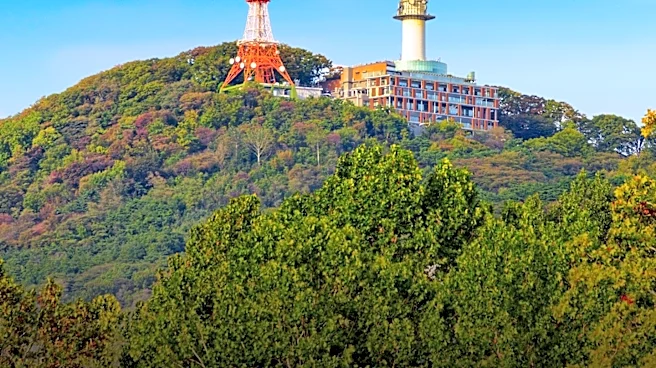
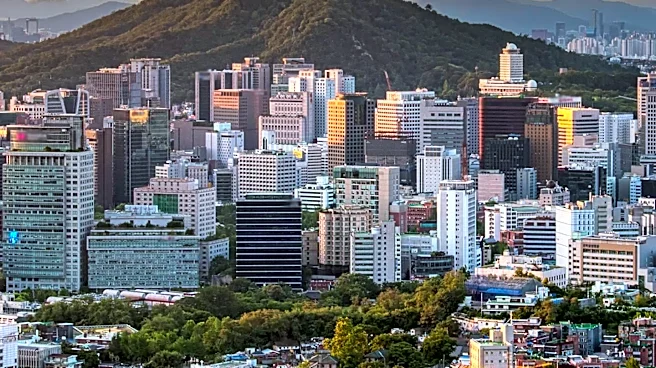
South Korea has transformed its landscape by planting over ten billion trees since the Korean War, increasing the volume of wood on its hills roughly thirtyfold since 1953. Initially, the country's forests were severely degraded due to colonial exploitation,
wartime destruction, and fuelwood demand. The reforestation efforts, particularly under President Park Chung-hee, involved reorganizing the Forest Bureau into the Korea Forest Service and launching the First Ten-Year Forest Rehabilitation Plan. This plan, part of the Saemaul Movement, involved local communities in planting and maintaining forests, leading to a significant increase in forest cover and wood volume. By 2020, the average growing stock reached about 165 cubic meters per hectare, a substantial increase from 1953.
Why It's Important?
South Korea's reforestation efforts serve as a model for environmental recovery and sustainable forest management. The success of these initiatives demonstrates the potential for large-scale environmental restoration through community involvement, government support, and adaptive management. The increase in forest cover has provided significant ecological benefits, including carbon sequestration, water conservation, and soil erosion prevention, contributing to the country's economic and environmental resilience. This case study offers valuable insights for other nations facing deforestation and environmental degradation, highlighting the importance of sustained commitment and adaptive strategies in achieving long-term ecological goals.
What's Next?
Despite the success, South Korea's forests face new challenges, including climate change and habitat pressures. The Korea Forest Service reports that a significant portion of the forest is aging, necessitating ongoing management to maintain biodiversity and forest health. Researchers warn of potential threats to native species, such as the Korean red pine, due to changing environmental conditions. Continued efforts will be required to ensure the resilience of these forests in the face of climate change, emphasizing the need for innovative management practices and policies to sustain the ecological and economic benefits of reforestation.