






What's Happening?
A Penn State study, highlighted on October 21, found that a four-minute daily workout can significantly improve functional strength and balance in adults aged 65 and older, particularly those with existing walking difficulties. The randomized trial, published
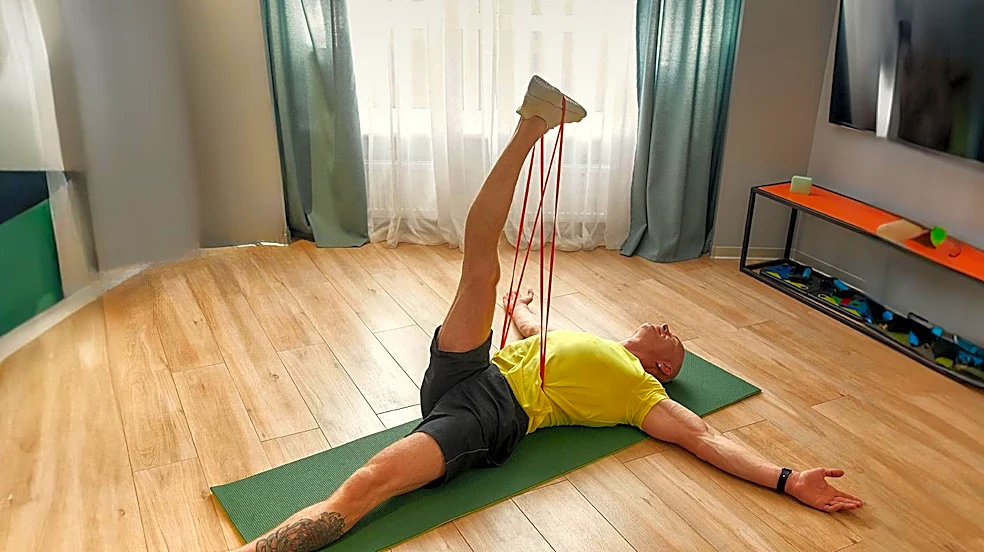
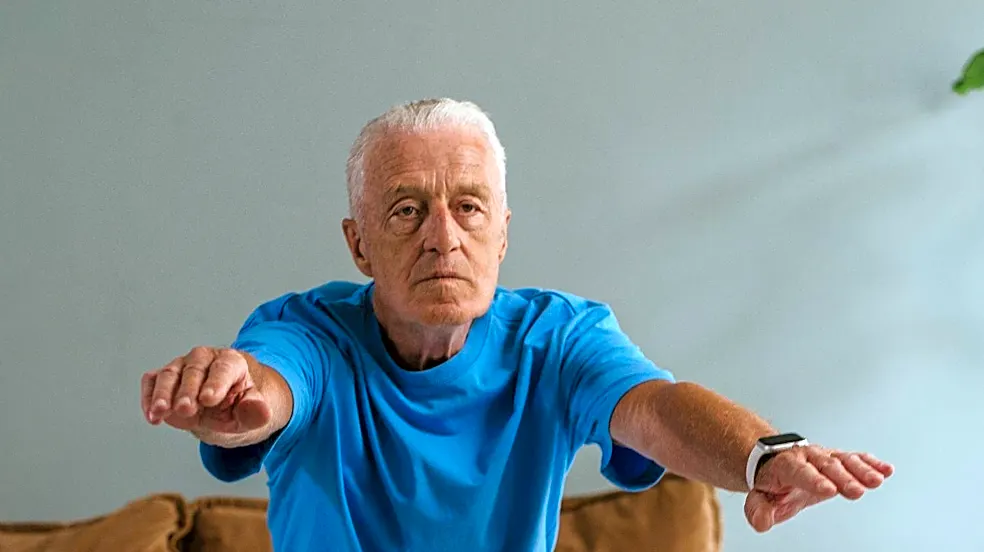
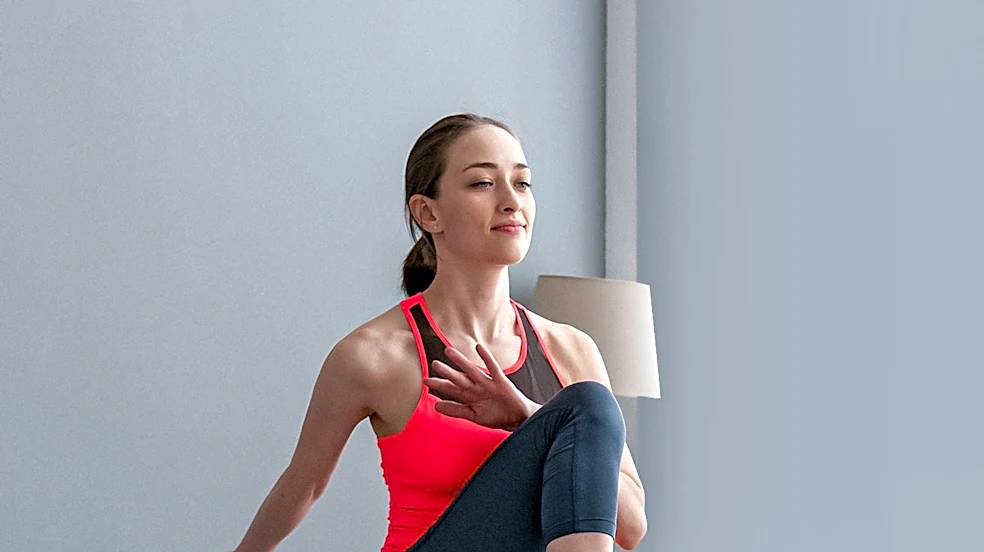
in PLOS One, involved 97 relatively inactive adults with an average age of 74. Participants were divided into a daily exercise group and a control group. After 12 weeks, the exercise group showed measurable improvements: they completed approximately 4.2 more chair stands in 30 seconds, improved single-leg balance by 3.6 seconds, and completed a five-repetition chair-standing test 2.3 seconds faster compared to the control group. These indicators are crucial as they predict future independence, likelihood of falls, and potential need for nursing home care. The workout program, called FAST-2, consisted of four simple movements—push-ups, chair stands, resistance-band rows, and stair stepping—each performed for 30 seconds followed by 30 seconds of rest. Participants could modify exercises and received remote coaching, leading to an impressive 81% adherence rate.
Why It's Important?
This study is highly significant for the aging U.S. population, offering a practical and accessible approach to maintaining physical function and independence. As the demographic of older adults continues to grow, interventions that can prevent falls, improve mobility, and delay the need for long-term care are crucial for public health and healthcare systems. The simplicity and brevity of the four-minute routine make it highly feasible for individuals who may be intimidated by more intensive exercise regimens or have limited time and mobility. This could lead to broader adoption of physical activity among older adults, reducing the burden of age-related disabilities and improving overall quality of life. The findings also challenge the perception that significant time commitments are necessary for meaningful physical improvements, potentially encouraging more older adults to start or maintain an exercise routine. The remote coaching aspect also highlights the potential for technology-assisted health interventions.
What's Next?
While the study shows promising results, researchers emphasize that these findings do not establish that four minutes of exercise replaces recommended weekly activity or prevents disability. Larger and longer studies are needed to confirm these outcomes and explore the long-term impact on actual fall rates and nursing home admissions. However, the current findings provide an encouraging starting point for older adults struggling to initiate an exercise program. Healthcare providers and wellness programs may begin to incorporate similar brief, high-impact routines into recommendations for their older patients. Further research could also investigate the optimal frequency and intensity of such short workouts, as well as their effectiveness across diverse populations of older adults. The success of remote coaching in this study also suggests a future trend in accessible, home-based fitness programs for seniors.
Beyond the Headlines
The implications of this study extend beyond just physical health, touching upon the psychological well-being and societal integration of older adults. Maintaining functional independence allows seniors to remain active participants in their communities, reducing social isolation and enhancing mental health. The study's emphasis on simple, modifiable exercises promotes inclusivity, ensuring that individuals with varying physical capabilities can participate. This could lead to a shift in how aging is perceived, moving towards a more proactive and empowering approach to maintaining vitality rather than passively accepting decline. Furthermore, the economic impact could be substantial, as a reduction in falls and improved mobility could decrease healthcare costs associated with injuries and long-term care. This research underscores the profound impact that small, consistent efforts can have on overall health and quality of life in later years, fostering a culture of continuous well-being.