







What's Happening?
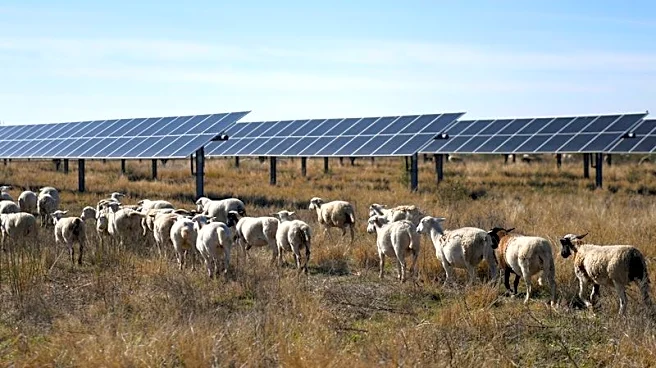
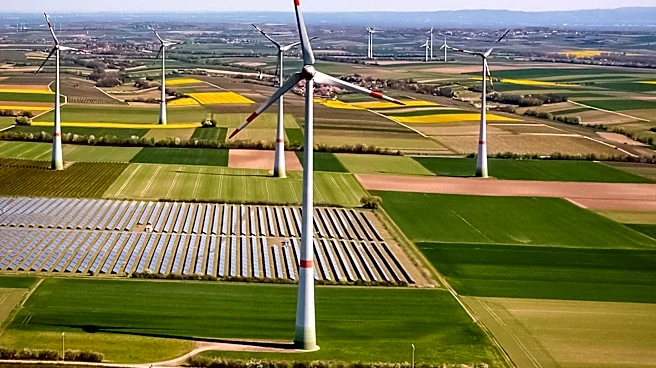
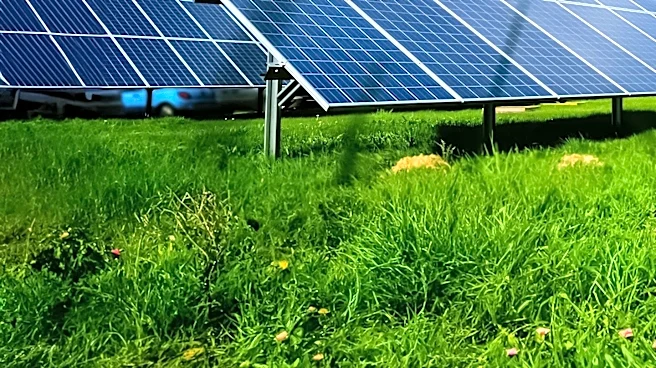
Michigan's Renewables Ready Communities Awards program is providing funding to local governments to encourage the development of large-scale renewable energy projects, such as wind, solar, and battery storage facilities. Ian O’Leary, a program manager
with the Department of Environment, Great Lakes and Energy, stated that these funds are disbursed to local officials once construction on approved projects begins. The program offers up to $4,000 per megawatt, with a potential increase to $5,000 per megawatt if labor-agreement requirements are met. The primary objective of these awards is to enhance the perceived value of permitting large-scale renewable energy projects for local governments. So far, 57 municipalities have received approval for these awards. These projects can be developed by private companies on land leased from local property owners, allowing local governments to receive direct revenue. Once construction commences, local governments have the autonomy to utilize the funds for various local initiatives, including town hall repairs, recreation projects, cemetery upgrades, and zoning software. This initiative aims to incentivize communities to embrace renewable energy infrastructure.
Why It's Important?
This program is significant for Michigan as it directly addresses the financial barriers local governments often face in approving and supporting large-scale renewable energy developments. By providing substantial financial incentives, the state aims to accelerate the transition to cleaner energy sources, which aligns with broader national goals for sustainability and climate change mitigation. For rural townships like Hart Township, the awards represent a critical influx of funds, enabling them to undertake infrastructure improvements and road upkeep that would otherwise be unfeasible due to limited tax revenue. The program also fosters economic development by attracting private companies to invest in renewable energy infrastructure within these communities, generating additional tax revenue. This initiative demonstrates a proactive approach by a state government to overcome local resistance or financial constraints that might hinder renewable energy adoption, potentially serving as a model for other states. It also highlights the growing trend of state-level policies designed to complement federal efforts in promoting green energy.
What's Next?
The approved municipalities will proceed with their renewable energy projects, with funding being released as construction begins. Local governments will then allocate these funds to various community improvements as they see fit, ranging from infrastructure upgrades to recreational facilities. The success of these initial projects could lead to further expansion of the Renewables Ready Communities Awards program or inspire similar initiatives in other Michigan communities and potentially other states. Stakeholders, including environmental advocacy groups like Climate Power, will likely monitor the economic and environmental impacts of these projects. There may also be continued public discourse within communities regarding the visual impact and land use associated with large-scale solar and wind farms, as noted by mixed feelings among residents in Hart Township. The program's long-term effectiveness will be measured by the increase in renewable energy capacity and the tangible benefits realized by participating communities.
Beyond the Headlines
Beyond the immediate financial benefits and renewable energy deployment, this program signifies a shift in how large-scale energy projects are approved in Michigan. A 2023 law established a state permitting process for certain large-scale renewable projects if local governments fail to approve them, indicating a strategic move to streamline renewable energy development. The awards program, therefore, acts as a cooperative mechanism, encouraging local buy-in rather than solely relying on state mandates. This approach could mitigate potential conflicts between state-level energy goals and local autonomy. Furthermore, the program highlights the evolving relationship between private developers, local governments, and state environmental agencies in the pursuit of sustainable development. It also underscores the importance of community engagement and transparent communication, as seen in Sands Township's efforts to share project progress with residents, to ensure public support and address concerns related to land use and aesthetics. This collaborative model could set a precedent for future infrastructure projects across various sectors.