





What's Happening?
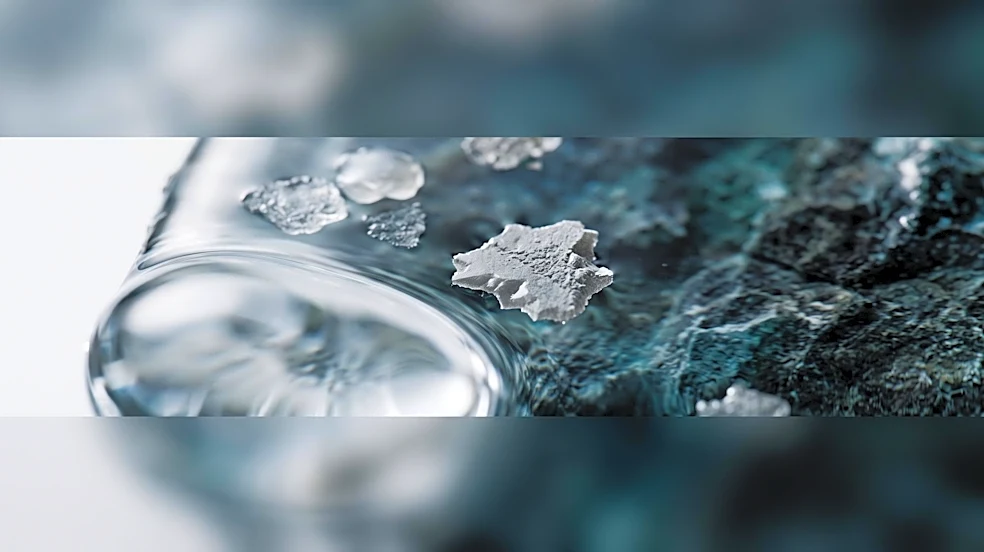
A recent study published in the journal Nature has revealed that common microplastics exhibit intrinsic physicochemical activity when in contact with water. Researchers found that at microplastic–water interfaces, reactive oxygen species (ROS), including
hydroxyl radicals (•OH), are spontaneously generated and continue to be produced over time. This radical formation increases with the hydrophobicity of the microplastic surface. The study investigated six common plastics: polypropylene (PP), polyethylene (PE), polyvinyl chloride (PVC), polystyrene (PS), polyethylene terephthalate (PET), and polymethyl methacrylate (PMMA). Experiments involved molecular dynamics simulations, ab initio calculations, electron spin resonance spectroscopy, and fluorescence measurements. The findings suggest that this surface activity could explain how microplastics interact with proteins and other biomolecules, potentially altering protein structure and affecting cell health. This challenges the long-held assumption that plastics are chemically inert, especially in aquatic environments.
Why It's Important?
This discovery is significant because it identifies a previously overlooked mechanism by which microplastics may cause harm to biological systems. The generation of reactive oxygen species is known to induce oxidative stress, which can damage cells, DNA, and proteins, contributing to inflammation and various diseases. The study's findings provide a potential explanation for the observed links between microplastic exposure and health issues such as cellular stress, inflammation, cytotoxicity, cardiovascular problems, reproductive damage, neurological disease, and inflammatory bowel disease. Understanding these water-triggered reactions is crucial for assessing the true environmental and health risks posed by microplastics, which are ubiquitous in human tissues and environmental samples. This research could fundamentally change how scientists and policymakers approach microplastic pollution and its potential long-term impacts on ecosystems and human health.
What's Next?
Further research is needed to determine whether the observed radical formation at microplastic–water interfaces contributes meaningfully to human disease at typical exposure levels. Scientists will likely focus on quantifying the extent of ROS generation in various environmental and biological contexts and investigating the specific pathways through which these radicals interact with biomolecules and cells. This could involve in-depth studies on different types of microplastics, varying environmental conditions (e.g., pH, temperature, salinity), and diverse biological models. The findings may also spur the development of new methods for detecting and mitigating microplastic harm, potentially leading to innovations in material science for designing safer, more sustainable plastics that do not exhibit such reactivity. Regulatory bodies may also consider these findings when evaluating the safety of plastic products and setting guidelines for microplastic pollution.
Beyond the Headlines
This study challenges a foundational assumption about plastics – their inertness – and opens up a new dimension in understanding their environmental and health impacts. The revelation that microplastics can actively generate harmful chemical species in water suggests a more insidious threat than previously understood, moving beyond physical contamination to chemical toxicity. This has profound implications for materials science, urging a re-evaluation of plastic design and manufacturing processes to create materials that are not only durable but also chemically benign in their degraded forms. Ethically, it raises questions about the responsibility of manufacturers and the need for more rigorous testing of materials throughout their lifecycle. Culturally, it reinforces the growing awareness of the pervasive and complex challenges posed by plastic pollution, pushing for more comprehensive solutions that address not just waste management but also the intrinsic properties of the materials themselves.