





What's Happening?
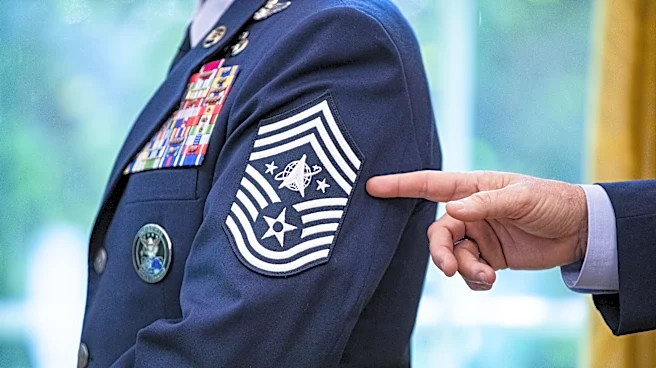
The U.S. Space Force has formally activated a new command, Space Forces Special Operations Command (SPACEFOR-SOC), dedicated to supporting special operations forces. The activation ceremony took place on October 7, with the command headquartered at MacDill
Air Force Base in Florida. SPACEFOR-SOC is the first new service component for U.S. Special Operations Command (USSOCOM) since 2006, joining existing Army, Navy, Air Force, and Marine Corps special operations components. This new command will train and equip Space Force Guardians to integrate with regional special operations commands globally. According to Adm. Frank Bradley, commander of USSOCOM, this activation provides an enduring and accountable way to integrate space power into special operations. Gen. Douglas Schiess, the Space Force's chief of space operations, stated that SPACEFOR-SOC Guardians will provide critical, cutting-edge space expertise directly to combatant command headquarters. The command will deploy small, modular teams of space, cyber, and intelligence specialists to deliver mobile, low-signature space capabilities in contested and communications-degraded environments, a capability known as Space Special Warfare.
Why It's Important?
The activation of SPACEFOR-SOC signifies a critical evolution in how the U.S. military perceives and utilizes the space domain, recognizing it as an increasingly contested warfighting environment alongside air, ground, sea, and cyberspace. This move is a direct response to the growing reliance of modern military operations on space-based assets for communications, navigation, missile warning, and intelligence. By embedding dedicated Space Force personnel within special operations units, the U.S. military aims to enhance the effectiveness and resilience of its elite forces in complex operational theaters. This integration ensures that special operators have direct access to advanced space capabilities, which are vital for maintaining situational awareness and operational superiority, especially in environments where traditional communication methods may be compromised. The establishment of SPACEFOR-SOC underscores a strategic shift towards proactive space integration in all facets of military operations, ensuring that U.S. forces can leverage space advantages while mitigating threats from adversaries who also seek to exploit or disrupt space capabilities.
What's Next?
The immediate next steps for SPACEFOR-SOC will involve the full operationalization of its command structure and the deployment of its specialized Space Special Warfare teams. These teams, composed of space, cyber, and intelligence specialists, will begin integrating with existing special operations forces globally, providing on-the-ground expertise and capabilities. This integration will likely lead to the development of new tactics, techniques, and procedures for leveraging space assets in special operations missions. Furthermore, the establishment of SPACEFOR-SOC is expected to drive further innovation in space-related technologies and training programs within the Space Force, tailored specifically to the unique demands of special operations. As the command matures, it will likely expand its scope and capabilities, adapting to emerging threats and technological advancements in the space domain, ensuring that U.S. special operations forces maintain a decisive edge in future conflicts.
Beyond the Headlines
The creation of SPACEFOR-SOC reflects a broader strategic recognition within the U.S. military that space is not merely a support domain but a critical theater of conflict. This development highlights the increasing convergence of space, cyber, and intelligence operations, blurring traditional lines between warfare domains. Ethically, the deployment of low-signature space capabilities in contested environments raises questions about the attribution of actions in space and the potential for escalation in an already complex domain. Legally, the integration of space assets directly into special operations may necessitate new frameworks for rules of engagement and international norms regarding military activities in space. Culturally, it signifies a shift in the identity of Space Force Guardians, moving them from a purely technical support role to direct warfighters on the front lines of modern conflict, requiring a new mindset and operational ethos within the youngest branch of the U.S. military.