






What's Happening?
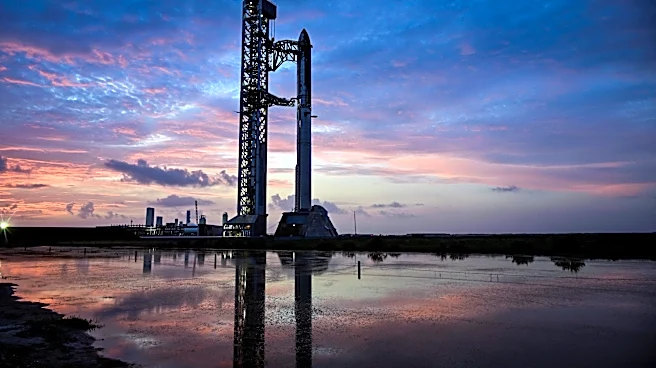
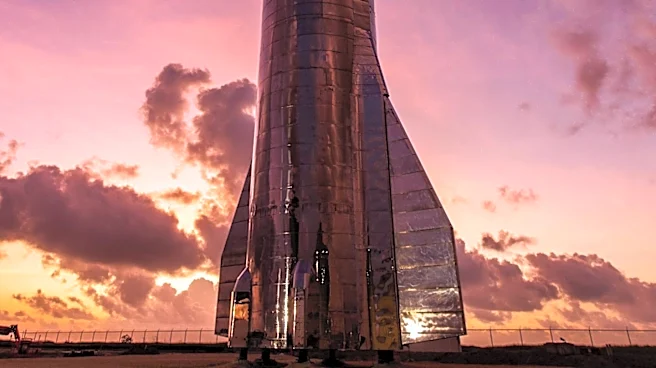
SpaceX has successfully conducted the 13th test flight of its Starship system, deploying 20 next-generation Starlink satellites. The test, which took place from SpaceX's Starbase facility in Texas, marked the first deployment of operational V3 satellites designed
to enhance internet connectivity. Despite the success of the Starship's mission, the Super Heavy booster faced issues, with only five of its 13 engines relighting, causing it to strike the Gulf of Mexico at high speed. Concurrently, SpaceX is embroiled in a legal battle over a land swap deal with the U.S. Fish and Wildlife Service, which would grant the company nearly 3,000 dunams of nature reserve land. Environmental groups have filed a lawsuit to halt the exchange, citing potential harm to local wildlife.
Why It's Important?
The successful test of SpaceX's Starship system is a significant step in expanding the Starlink network, potentially providing satellite connectivity to areas lacking conventional cellular coverage. This advancement could have substantial implications for global internet access, particularly in remote regions. However, the environmental concerns surrounding SpaceX's land deal highlight the ongoing tension between technological advancement and environmental preservation. The outcome of the legal challenge could set a precedent for how such conflicts are managed, impacting future space exploration projects and environmental policies.
What's Next?
SpaceX plans to continue testing and refining its Starship system, with future launches expected to address the booster engine issues. The legal proceedings regarding the land swap deal will continue, with environmental groups seeking an injunction to prevent the exchange. The resolution of this case could influence SpaceX's operations in Texas and potentially affect other companies' dealings with federal land agencies.
Beyond the Headlines
The legal battle over the land swap deal raises broader questions about the balance between technological progress and environmental stewardship. As space exploration companies expand their operations, the need for sustainable practices becomes increasingly critical. This case could prompt a reevaluation of how environmental impacts are assessed and managed in the context of space exploration.