








What's Happening?
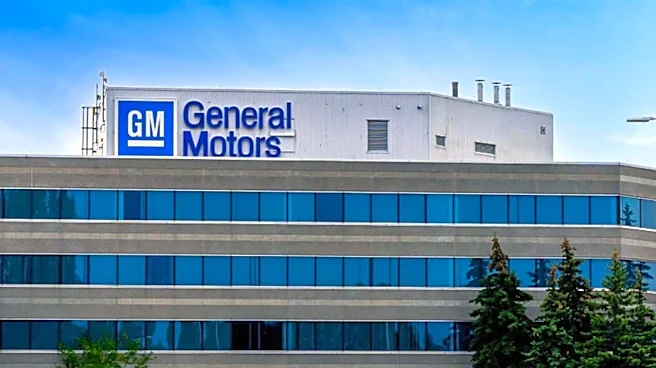
General Motors (GM) has agreed to a $220 million settlement with a coalition of 36 attorneys general, including the Hawaiʻi Department of Commerce and Consumer Affairs Office of Consumer Protection (OCP), over allegations of illegally selling consumers’
private driver behavior and location data. From 2016 to 2024, GM enrolled millions of drivers in its Smart Driver program, which tracked driving habits. While GM marketed the program as a tool for improving driving safety and assured drivers their data would not be shared with insurers without express consent, the coalition found that GM sold this information to data brokers. These brokers then sold the data to insurance companies, which used it to set insurance rates, often without the drivers' knowledge. Hawaiʻi will receive $2,861,340 from the settlement. The agreement mandates GM obtain affirmative, express consent from consumers before collecting or disclosing driving and location data and implement a comprehensive data privacy program.
Why It's Important?
This settlement underscores a significant victory for consumer data privacy rights, particularly in the automotive industry. It establishes a precedent that companies will be held accountable for collecting and monetizing personal data without explicit consent, directly impacting how vehicle manufacturers handle sensitive driver information. For consumers, this means greater control over their driving data and potentially more transparency regarding how their information is used by third parties, such as insurance companies. The practice of using driving data to adjust insurance premiums without consent has led to unexpected rate increases for many, highlighting the financial implications of data privacy breaches. The settlement also signals increased scrutiny from state attorneys general on corporate data practices, potentially leading to broader industry changes in data collection and sharing policies.
What's Next?
The settlement requires GM to implement a comprehensive data privacy program, including internal and external data protection assessments, and to provide oversight and training at its dealerships to prevent non-consensual enrollment in data collection schemes. This will likely lead to significant changes in GM's data handling protocols and customer enrollment processes. Other automotive manufacturers may face increased pressure to review their own data collection and sharing practices to avoid similar legal challenges. Consumers can expect more explicit consent mechanisms when signing up for connected vehicle services. The case also sets a benchmark for future data privacy litigation, potentially encouraging more states to pursue similar actions against companies found to be misusing consumer data.
Beyond the Headlines
This case highlights the evolving landscape of data privacy in an increasingly connected world, where vehicles are becoming sophisticated data-gathering devices. The ethical implications of companies profiting from user data without full transparency or consent are central to this issue. The settlement also brings to light the complex ecosystem of data brokers and their role in facilitating the sale of personal information, often with significant financial consequences for individuals. Beyond legal and financial aspects, there's a broader societal discussion about the balance between technological advancement, corporate data utilization, and individual privacy rights. This outcome could spur legislative efforts to strengthen data privacy laws, particularly concerning data generated by connected devices, ensuring consumers retain more control over their digital footprint.