


What's Happening?
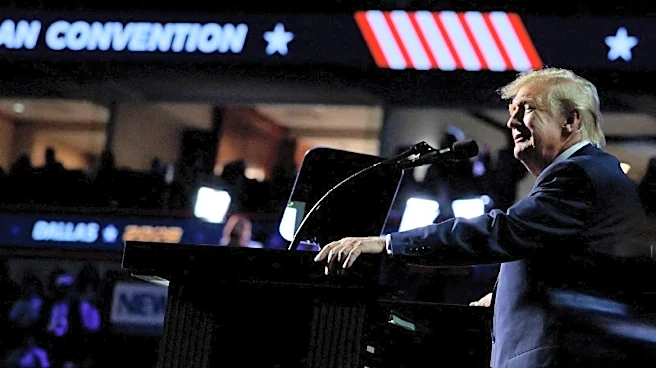
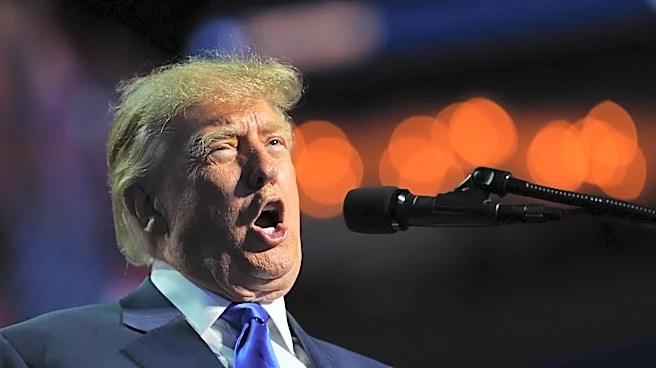
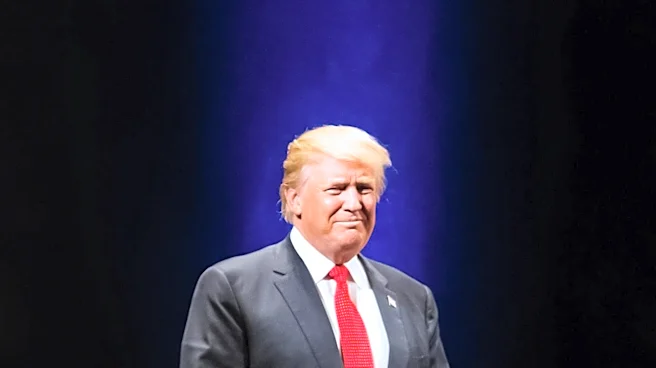
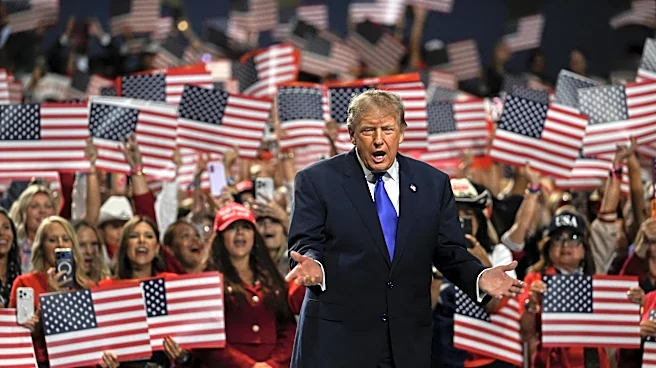
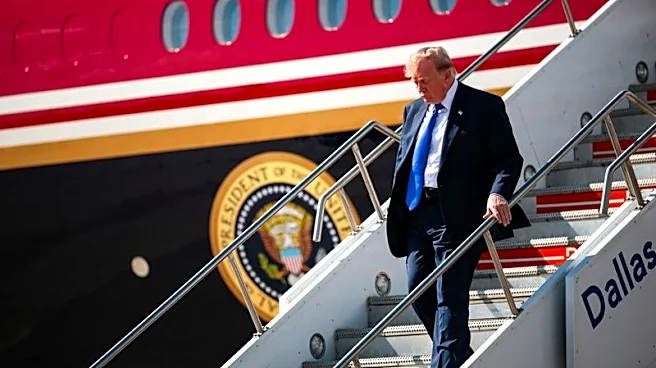
Representative David Schweikert, an Arizona Republican, has voiced strong opposition to President Trump's proposal to distribute $5,000 cash payments to adult American citizens. President Trump announced this plan at the Republican midterm convention
in Dallas, stating that the payments would be made if Republicans retain control of the House and Senate. The proposal, termed the 'Trump Dividend,' would require recipients to spend the money within the United States. Reuters estimates the plan could cost approximately $1.2 trillion, with additional hundreds of billions in interest if financed through government borrowing. Schweikert expressed his intent to 'fight the proposal,' arguing that it would ultimately harm working people by driving interest rates higher. This stance places him in opposition to a key economic initiative put forth by President Trump's campaign ahead of the midterm elections.
Why It's Important?
Representative Schweikert's opposition highlights a significant division within the Republican party regarding fiscal policy and economic stimulus. His concerns about inflation and fiscal stability directly challenge the administration's approach to economic gains and voter appeal. Introducing over $1 trillion into the economy through direct payments could, as critics suggest, exacerbate inflation at a time when high living costs are a primary concern for voters. This internal party disagreement could complicate efforts to unify Republicans around a common economic message during the midterm election cycle. Furthermore, the debate over the funding mechanism—whether through tariff revenue, spending cuts, tax increases, or increased borrowing—underscores broader national discussions about fiscal responsibility and the national debt, which has already surpassed $40 trillion.
What's Next?
The proposal for $5,000 payments is currently a campaign promise tied to Republican control of Congress, meaning its implementation is contingent on the outcome of the midterm elections. Should Republicans secure majorities, the legislative process for such a large-scale payout would likely face considerable debate and potential resistance, even from within the party, as evidenced by Representative Schweikert's comments. The administration would need to present detailed legislation, eligibility rules, and a funding mechanism, which have not yet been released. The economic impact, particularly concerning inflation and interest rates, will be a central point of contention. Public and congressional reactions will continue to shape the viability and potential modifications of this proposal as the election approaches and beyond.
Beyond the Headlines
The debate surrounding President Trump's proposed $5,000 payout extends beyond immediate economic concerns, touching upon the role of government in direct wealth redistribution and the political implications of such initiatives. Critics argue that tying such a significant payment to election outcomes could be perceived as an attempt to 'buy votes,' raising ethical questions about the intersection of campaign promises and public funds. While legal experts suggest it may not meet the definition of illegal vote-buying due to its universal benefit nature, the optics remain closely linked to the election calendar. This proposal also reflects a broader trend in political discourse where direct financial incentives are increasingly used as a tool to garner voter support, potentially shifting the focus from long-term policy solutions to immediate, tangible benefits.