




What's Happening?
Wyatt Baker, 21, has been charged with driving under the influence (DUI), first-degree assault, and reckless driving following an incident where he crashed his truck into the Dimond Boulevard Gospel Hall in Anchorage, Alaska. According to police, Baker was
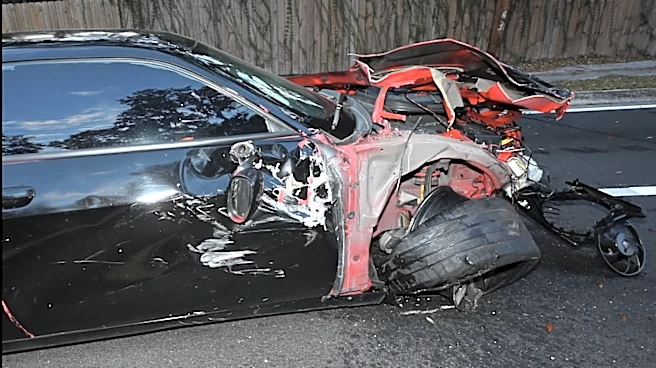
driving at speeds up to 97 mph when he lost control of the vehicle. Charging documents indicate that Baker's blood alcohol content was twice the legal limit. The crash resulted in significant damage to the church's exterior. Both Baker and his passenger sustained non-life-threatening injuries, though the passenger was initially presumed dead by officers due to the severity of their condition, with their head pinned between the truck's flat roof and bed. Multiple witnesses reported seeing the truck switching lanes rapidly before the crash. The State of Alaska, represented by Alex Hyatt, emphasized the seriousness of the incident, stating it was 'a matter of luck that we are not here on homicide charges.'
Why It's Important?
This incident highlights the severe public safety risks associated with impaired and reckless driving. The high speed and elevated blood alcohol content of the driver underscore the potential for catastrophic outcomes, not only for the occupants of the vehicle but also for other motorists, pedestrians, and property. The fact that the passenger was initially thought to be deceased, despite ultimately surviving with non-life-threatening injuries, illustrates the fine line between serious injury and fatality in such crashes. The damage to a community institution like a church also demonstrates the broader impact of such actions beyond immediate physical harm. This event serves as a stark reminder of the ongoing challenges law enforcement faces in deterring drunk driving and the critical importance of responsible driving behavior to protect lives and community assets.
What's Next?
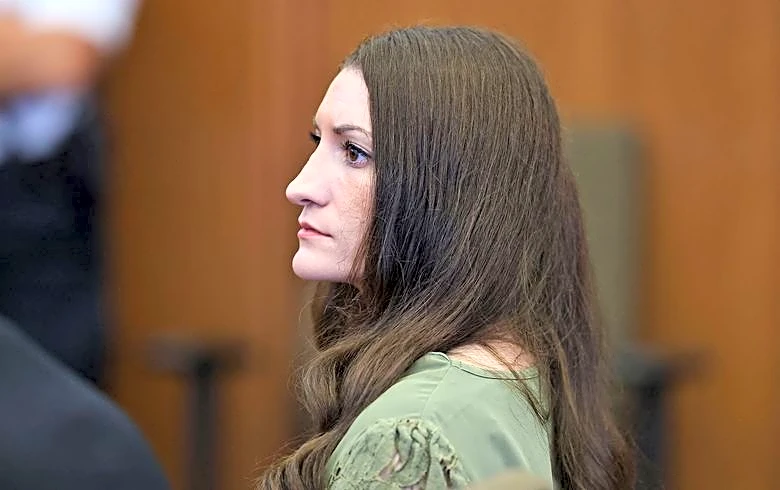
Wyatt Baker appeared in court following the incident, and the defense has reportedly pushed back against the first-degree assault charge, arguing that the passenger's injuries, described as cuts and bruises upon hospital release, do not meet the threshold for serious physical injury. The state, however, maintains that the initial assessment of the passenger's condition by officers, who believed the individual was deceased, provides probable cause for the charges. Further information regarding the extent of the passenger's medical injuries is expected to be presented. Baker also has previous charges on his record, including a DUI from February, eluding officers in July, and driving without a license due to his February DUI. These prior offenses may influence the legal proceedings and potential sentencing. The legal process will continue to determine the final outcome of the charges against Baker.
Beyond the Headlines
The repeated offenses by the driver, including a prior DUI and driving without a license, point to a systemic issue of recidivism in impaired driving cases. This raises questions about the effectiveness of current legal deterrents and rehabilitation programs for individuals with a history of such violations. The incident also brings to light the psychological and emotional toll on first responders, who arrived at a scene where a passenger was initially presumed dead. Furthermore, the damage to a church, a place of worship and community gathering, can have a ripple effect, impacting the congregation and potentially leading to discussions about community safety measures and the placement of public buildings near high-traffic areas. The defense's challenge to the assault charge based on the severity of injuries could also set a precedent or influence future legal interpretations of 'serious physical injury' in similar cases.