
What's Happening?
Governor Mikie Sherrill of New Jersey has declared a state of emergency due to the escalating electricity supply and affordability crisis in the state. This decision was made as part of her first official
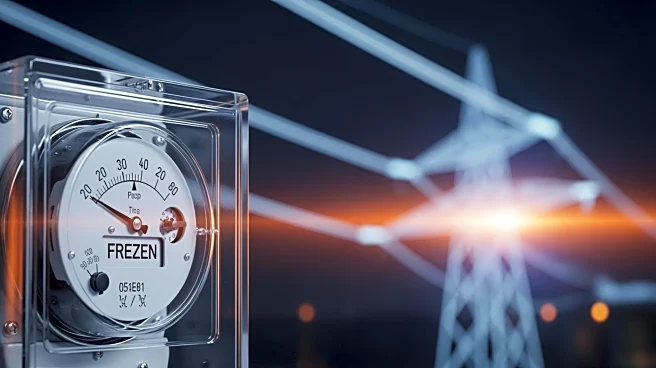
acts as governor, addressing the soaring demand from data centers and the inability of the PJM grid to ensure reliable service and predictable prices. Sherrill signed two executive orders aimed at providing immediate rate relief and initiating long-term reforms. The orders include a freeze on electricity supply rate increases and demand greater transparency and accountability from utility companies. Additionally, Sherrill has directed the Board of Public Utilities to expedite the development of solar, battery storage, and virtual power plants, and has established a Nuclear Power Task Force to fast-track energy projects. The governor's actions are in response to predictions of a 20% increase in peak demand by 2030 and recent capacity auctions that have significantly increased costs for New Jersey customers.
Why It's Important?
The declaration of a state of emergency highlights the critical nature of the electricity crisis in New Jersey, which could have widespread implications for residents and businesses. The freeze on rate increases and the push for transparency are expected to provide immediate financial relief to consumers facing rising electricity costs. The long-term reforms, including the development of renewable energy sources and changes to utility regulations, aim to stabilize the grid and prevent future crises. This move could set a precedent for other states facing similar challenges, emphasizing the need for sustainable energy solutions and regulatory reforms. The focus on renewable energy and infrastructure improvements aligns with broader national and global efforts to transition to cleaner energy sources.
What's Next?
Governor Sherrill's administration will likely face challenges in implementing these reforms, particularly in coordinating with utility companies and managing the financial implications of the rate freeze. The success of these initiatives will depend on the cooperation of state agencies and the private sector in accelerating energy projects. Stakeholders, including environmental groups and industry leaders, may respond with varying levels of support or opposition, influencing the pace and scope of the proposed changes. Monitoring the impact of these measures on electricity prices and grid reliability will be crucial in assessing their effectiveness.