




What's Happening?
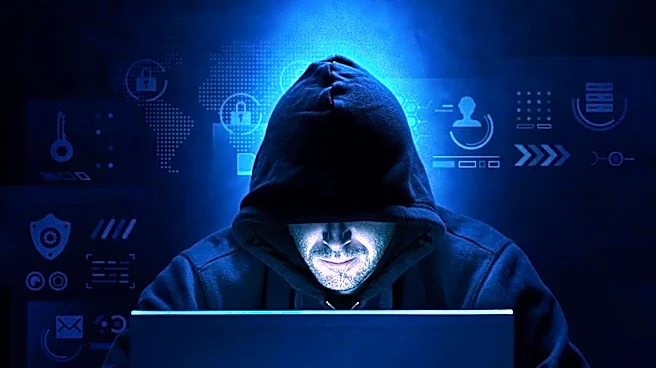
Federal prosecutors in Manhattan have unsealed an indictment against three individuals—Jacob Soall, Sharon Hazan, and Guy Sheetrit—accused of orchestrating a deepfake scam that defrauded multiple U.S. companies of over $129 million. The scheme, which
allegedly ran from July 2024 to February 2026, involved the trio using artificial intelligence to impersonate CEOs and lawyers. They would contact employees at target companies, convincing them to make large, confidential wire transfers under the guise of urgent financial deals. The scam relied on sophisticated AI to mimic the voices and images of executives, creating a convincing illusion of authenticity. Victims included a Missouri hospital system, a Rhode Island bank, a California hospital system, a UK fintech company, a Massachusetts fund manager, and a Florida pet food maker. The defendants were arrested in Europe and are awaiting extradition to the United States to face charges including conspiracy and money laundering.
Why It's Important?
This case highlights the escalating threat of AI-powered fraud to U.S. businesses across various sectors. The success of this deepfake scam underscores how easily advanced AI can exploit human trust, rather than technical vulnerabilities, within corporate structures. The ability of fraudsters to convincingly impersonate high-level executives and legal counsel demonstrates a significant challenge to traditional security protocols that often rely on voice recognition or visual confirmation. The broad range of victims, from healthcare to finance and manufacturing, indicates that no industry is immune. This incident could prompt U.S. companies to re-evaluate and strengthen their internal financial transaction verification processes, emphasizing multi-factor authentication and independent verification for all significant transfers, especially those requested with urgency and secrecy. The potential for such scams to drain company assets poses a substantial economic risk and could lead to increased cybersecurity investments and employee training programs.
What's Next?
The three indicted individuals—Jacob Soall, Sharon Hazan, and Guy Sheetrit—are currently awaiting extradition from Europe to the United States, where they will face charges that carry potential sentences of up to 20 years in federal prison. The unsealing of this indictment is likely to trigger heightened awareness among U.S. businesses regarding the sophistication of AI-driven fraud. Companies may implement more stringent protocols for verifying financial transactions, such as mandatory secondary verification through established, known channels rather than relying solely on direct communication from the requester. There could also be an increased focus on employee training to recognize the red flags associated with deepfake scams, particularly urgent and confidential requests for large wire transfers. Law enforcement and cybersecurity agencies may also intensify efforts to track and dismantle similar international fraud networks leveraging AI technology.
Beyond the Headlines
This deepfake scam exposes a critical vulnerability in corporate security that extends beyond technical safeguards to the psychological manipulation of employees. The fraudsters exploited the inherent trust employees place in their superiors and the pressure associated with urgent, confidential requests. This case underscores the ethical implications of AI technology, demonstrating its potential for malicious use in undermining trust and perpetrating large-scale financial crimes. The incident may also accelerate the development and adoption of advanced AI detection tools and identity verification technologies within the corporate sector. Furthermore, it highlights a growing need for international cooperation among law enforcement agencies to combat cross-border AI-enabled fraud, as the perpetrators operated globally and targeted companies in multiple countries. The long-term shift could involve a fundamental re-evaluation of how digital identities are authenticated in business communications, moving towards more robust, AI-resistant verification methods.