




What's Happening?
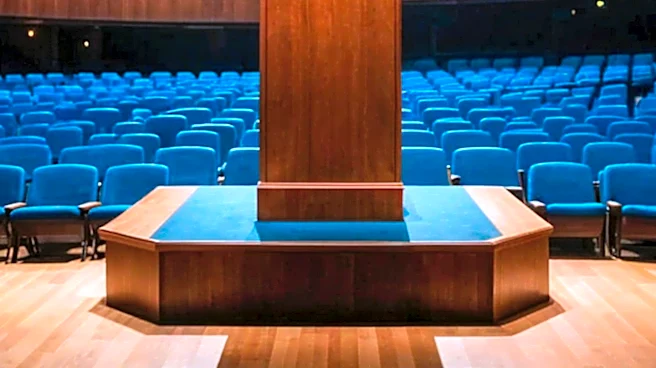
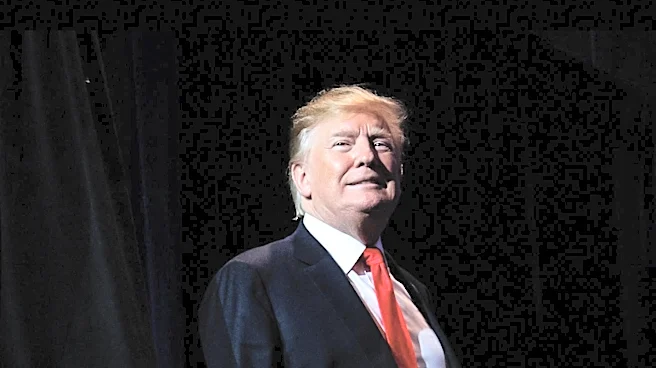
A Democratic congresswoman has accused the Kennedy Center board of openly defying a federal court order that barred the renaming of the Washington performing arts venue for President Trump. Rep. Joyce Beatty (D-Ohio) filed a court document stating that the board's
recent resolution to add President Trump's name back to the building, below the existing name, constitutes a "new and breathtaking act of defiance of Congress and of this Court." This action follows a May ruling by Judge Christopher Cooper of the U.S. District Court for the District of Columbia, which ordered the removal of President Trump's name, asserting that federal law clearly designates the center as a memorial to President John F. Kennedy. The board also voted to close the center for two years, a decision Judge Cooper had previously found to be based on a "one-sided presentation of information."
Why It's Important?
This ongoing legal dispute over the Kennedy Center's naming and operations carries significant implications for the separation of powers and the interpretation of federal law. The accusation of defying a court order challenges the authority of the judiciary and could set a precedent for how government-appointed boards interact with judicial rulings. It also highlights the broader political tensions surrounding President Trump's efforts to leave his mark on Washington's historic landmarks, often leading to legal challenges and public debate. The controversy underscores the importance of preserving the historical and legislative intent behind national institutions, particularly those designated as memorials. The outcome of this case could influence future decisions regarding the naming and management of other federal cultural institutions and the extent of executive influence over such bodies.
What's Next?
Judge Christopher Cooper has set a rapid briefing schedule, with deadlines by August 26, to address the accusation that the Kennedy Center board is defying his court order. The court will determine whether the board's actions, including the proposed new signage indicating President Trump's contributions and the two-year closure, violate the previous ruling. Rep. Beatty's attorneys are pushing for the court to intervene and block the board from proceeding with the renaming. This legal battle is expected to continue, potentially leading to further judicial orders or appeals. The situation also raises questions about the future leadership and composition of the Kennedy Center board, especially given the strong political opposition to its current decisions.
Beyond the Headlines
The dispute over the Kennedy Center's renaming and renovation reflects a deeper cultural and political struggle over national symbols and historical narratives. President Trump's attempts to rebrand federal institutions and landmarks have often been met with resistance, highlighting a broader societal debate about how historical figures and political leaders are commemorated. The legal challenges, including the increased number of requests to enforce preliminary injunctions against the administration, suggest a pattern of executive actions pushing the boundaries of established legal and institutional norms. This situation also brings to light the role of cultural institutions as sites of contested memory and the potential for political interference in their governance, raising ethical questions about the balance between honoring past legacies and acknowledging contemporary political figures.